Wildfires in France and Spain: Further Evacuations around Bordeaux, New Wildfire near Valencia
Devastating wildfires are spreading across southwestern France, leading to further evacuations around Bordeaux and impacting the popular resort of Cap Ferret. Simultaneously, Spain is battling new blazes near Valencia, with one fatality reported and tens of thousands evac…
Intelligence analysis by Gemini 2.5 Flash
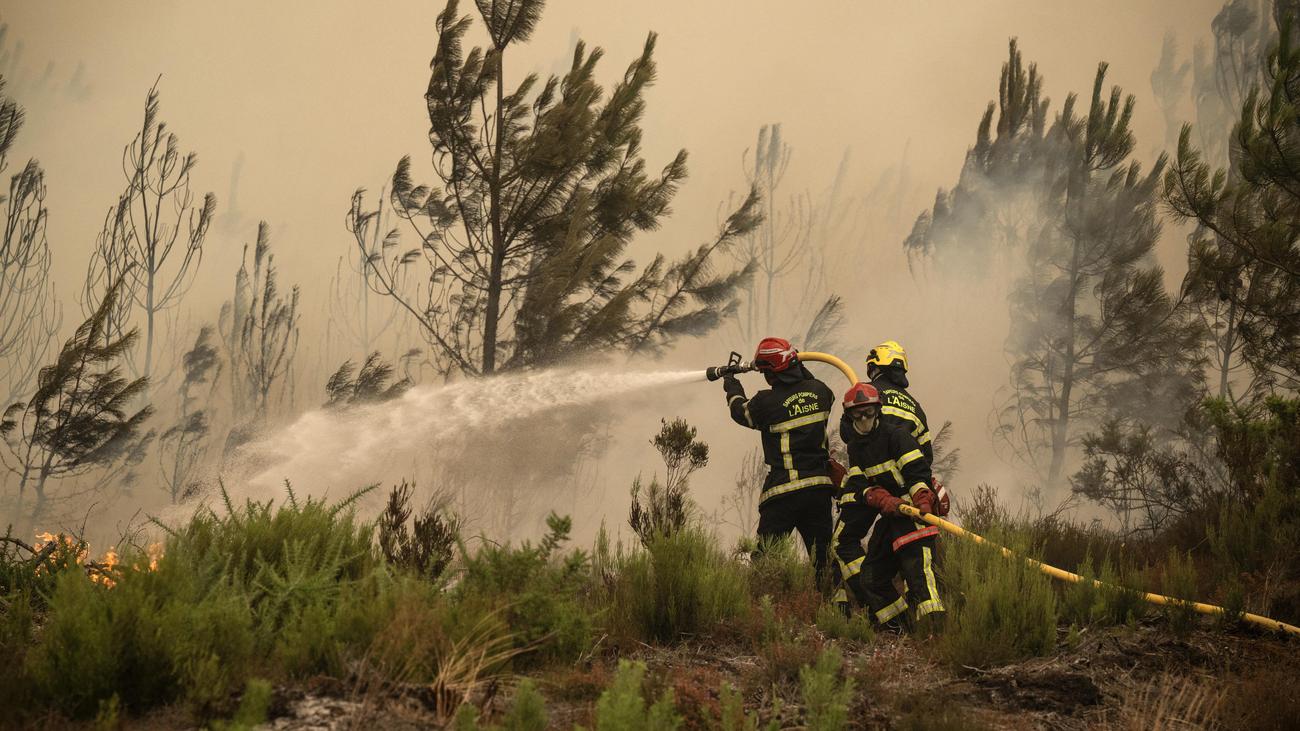
Europe is grappling with widespread wildfires, intensified by drought and extreme heat linked to climate change. France has seen 220,000 evacuations in its southwest, while Spain declared a national emergency, evacuating 70,000 people and reporting a fatality, as new fires emerge near Valencia.
Imagine a very hot summer where the grass and trees get super dry, like crunchy potato chips. Then, a tiny spark can quickly turn into a giant fire that spreads super fast, like a monster eating up forests and homes. That's what's happening in places like France and Spain right now, forcing many people to leave their houses to stay safe. Scientists say it's because our planet is getting warmer, making these hot, dry conditions happen more often.
Analysis
Escalating Crisis in Southern Europe
The summer of 2026 is witnessing a severe escalation of wildfires across Southern Europe, with France and Spain particularly hard-hit. In France's southwestern region, authorities around Bordeaux reported a rapid spread of fires overnight, necessitating additional evacuations. The sheer scale of the disaster is evident in the 220,000 people already displaced, including residents from the popular holiday destination of Cap Ferret in Aquitaine. The situation has prompted local farmers to volunteer their assistance, demonstrating a strong community response to an overwhelming natural disaster.
This collective effort underscores the profound impact these fires are having on local populations and economies, particularly in regions heavily reliant on tourism. The destruction of natural landscapes and infrastructure not only poses immediate threats but also carries long-term consequences for ecological balance and regional livelihoods. The rapid progression of these blazes highlights the challenges faced by emergency services in containing fires that are fueled by extreme weather conditions.
Spain's Dual Battle Against Blazes
Spain is facing its own formidable challenge, with the government declaring a national state of emergency due to wildfires near Madrid, which led to the evacuation of over 70,000 people. Tragically, one fatality has been reported in the Valencia region, underscoring the human cost of these environmental catastrophes. While some fires have been brought under control, the emergence of new fronts indicates the persistent and widespread nature of the threat.
A new and formidable blaze has erupted near the Mediterranean city of Valencia, forcing another 15,000 people to evacuate. Regional President Juanfran Pérez Llorca described this new fire as exceeding current extinguishing capacities, with a perimeter stretching approximately 21 kilometers. The difficulty in assessing the total burned area points to the dynamic and destructive nature of these events, which are rapidly consuming vast tracts of land and challenging the limits of conventional firefighting strategies.
Climate Change as a Force Multiplier
The underlying cause for the increased frequency and intensity of these wildfires is firmly attributed by scientists to human-made climate change. More frequent and intense heatwaves, coupled with prolonged periods of drought, have severely desiccated vegetation across large parts of Southern Europe. This creates ideal conditions for fires to ignite and spread rapidly, making firefighting efforts exceptionally challenging and often overwhelming for local resources.
The article implicitly warns that such events are not isolated incidents but rather a growing trend, demanding robust climate action and enhanced disaster management strategies across the continent. The economic, social, and environmental costs of these recurring catastrophes are substantial, posing a significant long-term threat to European stability and well-being. Addressing the root causes of climate change, alongside improving early warning systems and fire prevention measures, becomes paramount in mitigating future disasters of this magnitude.
Key points
- Wildfires are rapidly spreading across southwestern France, leading to 220,000 evacuations around Bordeaux and Cap Ferret.
- Spain has declared a national state of emergency due to wildfires, evacuating 70,000 people and reporting one fatality near Valencia.
- A new, large wildfire near Valencia has forced an additional 15,000 evacuations, with its perimeter exceeding 21 kilometers.
- Scientists attribute the increased frequency and intensity of these fires to human-made climate change, causing more intense heatwaves and droughts.
- Drought and exceptional heat have severely dried out vegetation in Southern Europe, complicating firefighting efforts.
The ongoing and intensifying wildfires, fueled by climate change, suggest a future with more frequent and severe environmental disasters across Europe, leading to significant loss of life, property, and natural habitats. The strain on emergency services and the long-term economic and social disruption in affected regions could become unsustainable without drastic climate action and improved preventative measures.