Will they follow New York Mayor Mamdani? — American Democratic Socialists 'DSA' head to midterm elections with historic momentum
The Democratic Socialists of America (DSA) are gaining historic momentum ahead of the November midterm elections, fueled by the election of Zohran Mamdani as New York Mayor. This surge could potentially lead to the first socialist governor in U.S. history.
Intelligence analysis by Gemini 2.5 Flash
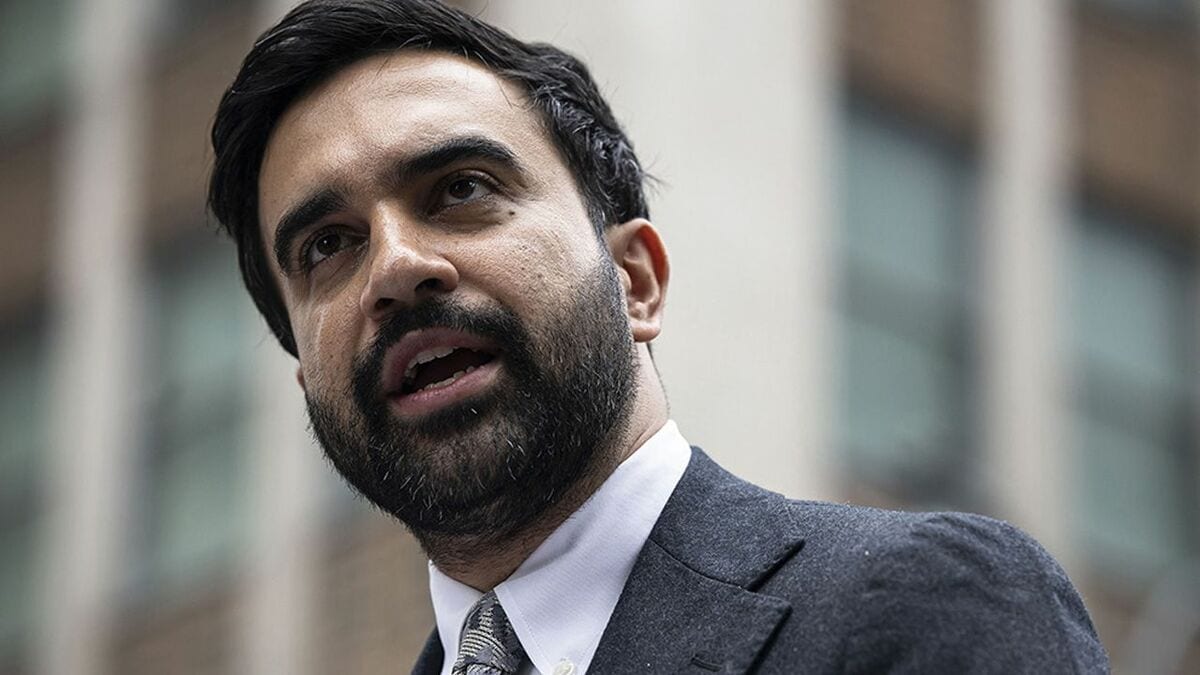
The article highlights the significant rise of the Democratic Socialists of America (DSA) in U.S. politics, noting its unstoppable momentum towards the upcoming midterm elections. This growth is attributed to the success of figures like New York Mayor Zohran Mamdani and Senator Bernie Sanders, representing a left-wing backlash against the perceived failures of post-Cold War two-party …
Imagine two big teams, the Blues and the Reds, usually run America. But some people felt both teams weren't fixing big problems. So, a new group called the DSA, who want things like better healthcare and schools for everyone, started getting really popular. After someone named Zohran Mamdani won a big election in New York, even more people joined them, and now they're trying to win more elections across the country, like a small team suddenly getting really good at a sport.
Analysis
The election of Zohran Mamdani as New York Mayor is explicitly cited as a key catalyst for the Democratic Socialists of America's (DSA) current surge in momentum. This victory demonstrated the tangible viability of democratic socialist candidates in major urban centers, providing a concrete example of their electoral success and inspiring further grassroots organizing across the country. Mamdani's win signaled a notable shift in voter sentiment, particularly among younger demographics and those increasingly disillusioned with traditional political establishments, proving that a democratic socialist platform could resonate with a significant portion of the electorate.
Bernie Sanders
The article points to Senator Bernie Sanders' 2016 presidential campaign as a pivotal moment that significantly elevated the DSA's profile. His self-identification as a democratic socialist and his unexpectedly strong performance against Hillary Clinton in the Democratic primary brought the ideology into mainstream political discourse in a way not seen for decades. Sanders' campaign effectively articulated widespread grievances against economic inequality, corporate power, and the high cost of living, issues that deeply aligned with democratic socialist principles and attracted a broad base of support, thereby increasing the DSA's visibility and membership.
2016 Presidential Election
The political climate following the 2016 Presidential Election is framed as a period of profound public backlash against the perceived failures of both major parties' post-Cold War policies. While Donald Trump successfully capitalized on right-wing discontent, Sanders' surprising success indicated a parallel and equally potent surge of left-wing frustration. This dual backlash created fertile ground for the DSA, allowing it to present itself as a viable and principled alternative to the established political order. The organization effectively attracted new members seeking fundamental systemic change, positioning itself as a key player in shaping the future direction of American progressive politics and potentially influencing the broader Democratic Party platform.
Key points
- The Democratic Socialists of America (DSA) are experiencing historic growth ahead of the November midterm elections.
- Zohran Mamdani's election as New York Mayor last November significantly boosted the DSA's momentum.
- There is a possibility of the first socialist governor in U.S. history emerging from a swing state.
- The DSA's rise is viewed as a left-wing backlash against the perceived failures of post-Cold War two-party policies.
- Senator Bernie Sanders' 2016 presidential campaign was a pivotal moment for the DSA's increased presence and visibility.
If the DSA continues its momentum, it could lead to a more diverse political landscape in the U.S., potentially addressing issues like economic inequality and social welfare with new policy approaches. The increased participation of democratic socialists might push the Democratic Party further left, leading to policies that benefit a broader segment of the population.
The rise of a distinct ideological force within the Democratic party could lead to internal divisions, making it harder for the party to present a united front or achieve legislative goals. The term "socialist" also carries historical baggage in the U.S., potentially alienating moderate voters and leading to increased political friction.