Wired vs. wireless CarPlay: How are they different & which is better to use?
Apple CarPlay is a feature that lets you access navigation, messages, music and other apps through your car's infotainment system. Wired and wireless CarPlay have the same feature set, but wired CarPlay can be superior in certain situations.
Intelligence analysis by Llama
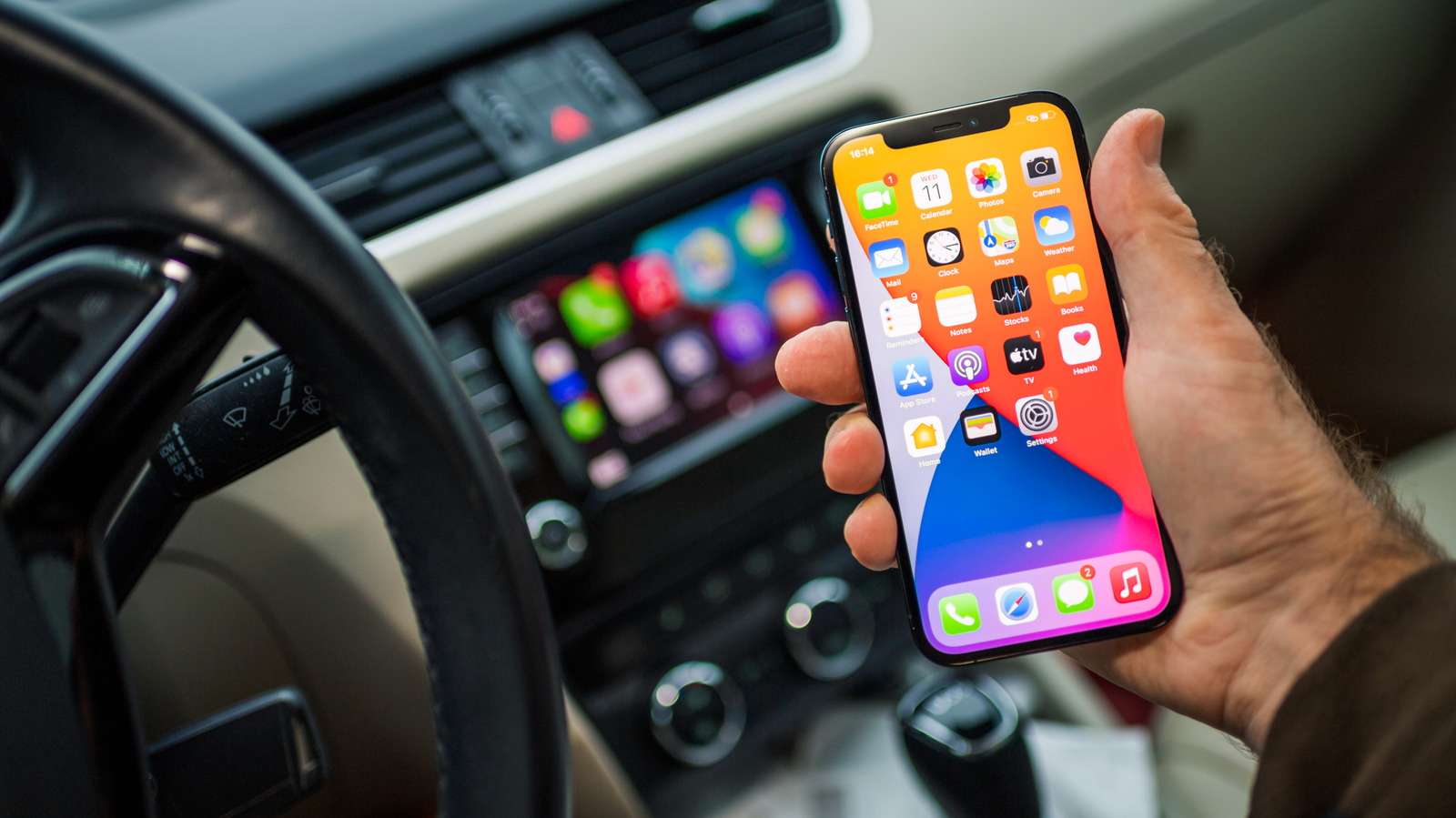
Wired CarPlay solves connectivity issues and saves you the frustration of trying to dig around in your phone's Bluetooth settings. It also gives the connected iPhone priority and delivers better audio quality.
Apple CarPlay is a feature that lets you use your iPhone in your car. You can access navigation, messages, music and other apps through your car's infotainment system. Wired and wireless CarPlay have the same features, but wired CarPlay can be better in certain situations.
Analysis
Wired vs. Wireless CarPlay: What's the Difference?
To cable or not to cable? That's the question when it comes to Apple CarPlay. If you drive with an iPhone next to you every day, one of the biggest quality-of-life improvements you can make to your car is using Apple CarPlay. It's a feature that's been baked into iPhones since 2014 and lets you access navigation, messages, music and other apps through your car's infotainment system.
You get simplified controls on a larger display and don't run the risk of being distracted trying to operate your phone while driving. Support for CarPlay goes all the way back to the iPhone 5, with most major car manufacturers, like Ford, Hyundai, BMW and Honda, having integrated it into their models.
You don't need much to get CarPlay going: just your iPhone, a USB cable and an internet connection, assuming you're planning to use navigation or stream music. Newer car models that ship with wireless CarPlay eliminate the need for you to plug in your iPhone altogether. You simply get in your car, start the engine and your iPhone will connect automatically.
The Perks of Using Wired Apple CarPlay
One big annoyance that wired CarPlay solves is the occasional connectivity issues that come with wireless CarPlay. Infotainment systems in cars can be surprisingly finicky, and the last thing you want is for your car to stop displaying navigation in the middle of a trip on unfamiliar roads.
A wired connection also saves you the frustration of trying to dig around in your phone's Bluetooth settings to get everything working before you get on the road. Cars with wireless CarPlay often let you set up multiple iPhones. This is helpful if someone else gets behind the wheel — they don't need to start the pairing process again.
Unfortunately, it also means your car may automatically connect to the wrong iPhone if there are multiple paired devices nearby. You'd then have to jump into your car's Bluetooth settings to manually switch the connection back to your iPhone. A wired connection bypasses all of these headaches and gives the connected iPhone priority.
Being plugged into your car also means you don't need to worry about your iPhone's battery draining during the commute. My iPhone 15 Pro Max has aged terribly in battery performance, and the last thing I need is to exit my car with my phone already screaming for a charger.
A wired connection to your car will also deliver better audio quality, especially if you pay for a service that offers lossless audio. Any issues with latency will also be eliminated, whether you're skipping tracks or summoning Siri on a whim.
Wireless CarPlay: The Advantages
With wireless Apple CarPlay, you don't need to worry about the problems that come with a cabled setup. For starters, since most cars offer a USB-A port and the cable that Apple bundles with every modern iPhone features the USB-C connector on both ends, you'll have to find a compatible cable if you want a wired connection.
You will also need to deal with the mess the cable creates. My car has a conveniently positioned cubbyhole, but my iPhone is too big to comfortably fit with the cable plugged in. For longer commutes or road trips where you have everything set up neatly, wired CarPlay is not much of a hassle.
However, if you have a few stops along the way, it can get very tiring having to plug your iPhone in and disconnect it every time you get in and out of your car. Plus, if a passenger in the backseat ever wishes to take control of the music, passing your phone around is much easier when you're connected to CarPlay wirelessly.
There are also no features you're losing by switching to a wireless connection. iOS 27 now lets you watch videos on CarPlay, but you don't need to worry about latency since it works over AirPlay, which accounts for A/V sync the same way it does when you're mirroring your iPhone on a TV.
Key points
- Wired and wireless CarPlay have the same feature set.
- Wired CarPlay can be superior in certain situations, such as avoiding connectivity issues and giving the connected iPhone priority.
- Wireless CarPlay can be more convenient and hassle-free, especially for longer commutes or road trips.
Using wireless CarPlay can make your driving experience more convenient and hassle-free. You won't have to worry about cables or connectivity issues, and you can easily switch between different iPhones or devices.
If you have a wired CarPlay setup, you may experience connectivity issues or frustration with Bluetooth settings. You may also have to deal with the mess of cables and the hassle of plugging and unplugging your iPhone.


