With no friends left to burn, Trump is running out of diplomatic ammunition
Donald Trump's presidency faces a strategic disaster in the Iran war, with depleted munitions and strained alliances leaving him with limited diplomatic options.
Intelligence analysis by Gemini 2.5 Flash Lite
The article argues that Donald Trump's second term is marked by strategic failures, particularly the war in Iran, which has depleted US military resources and alienated allies, leaving him with few diplomatic tools.
Imagine a big bully started a fight with someone, but used up all their best toys and even broke some of their friends' toys in the process. Now, the bully doesn't have many good toys left to use, and their friends are mad because they were hurt too. The bully might have to stop fighting or ask for help, but it's hard because nobody trusts them anymore.
Analysis
Operation Epic Fury
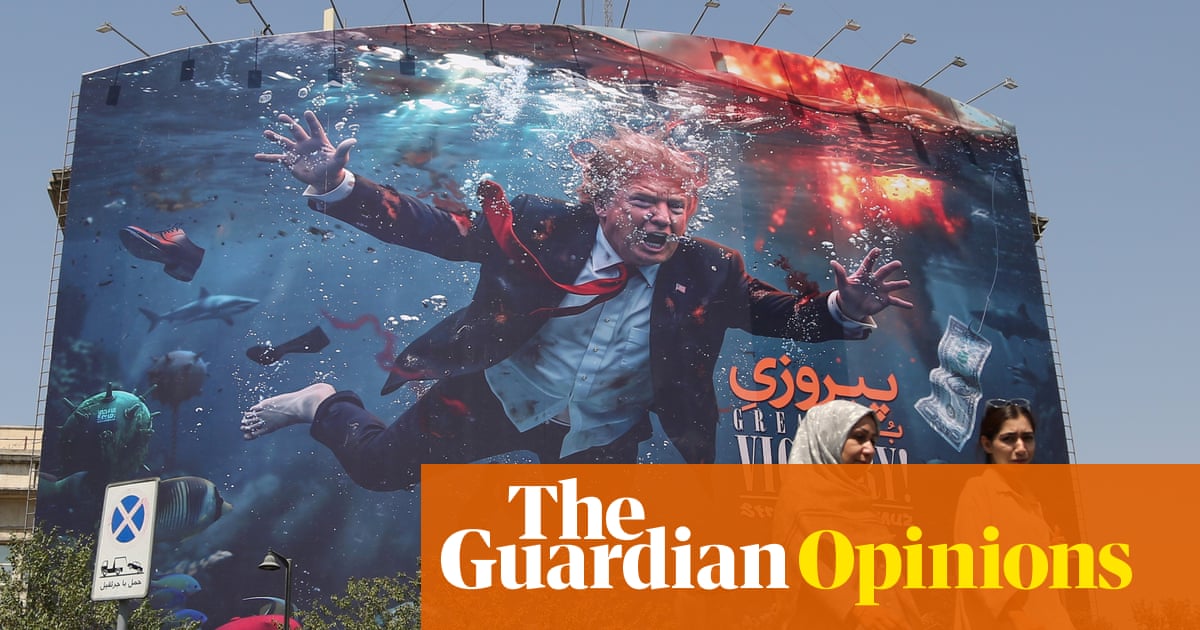
The war against Iran, termed Operation Epic Fury by the Trump administration, is presented as a significant strategic miscalculation. Initially conceived as a swift decapitation strike against the Tehran regime, the operation has devolved into a protracted, costly conflict. Six months in, Iran is not only unbowed but has seen a resurgence of hardline leadership emboldened by their resilience against US and Israeli bombardment. The regime now demands financial concessions, including reparations and control over the Strait of Hormuz, turning the conflict into a cold war scenario. This outcome starkly contrasts with the initial hubris that followed the audacious operation to kidnap Venezuelan president Nicolás Maduro, suggesting a pattern of overconfidence leading to strategic overreach.
Munitions Depletion and Global Repercussions
A critical consequence of Operation Epic Fury has been the severe depletion of the US munitions stockpile. The article points out the stark asymmetry in costs: Iran can disrupt shipping with inexpensive mines, while US forces rely on costly Patriot interceptors, each costing millions of dollars. Over 1,500 Patriots are estimated to have been fired, significantly reducing the US inventory. This depletion has direct repercussions for other global hotspots, most notably Ukraine, where these advanced interceptors are crucial for defending against Russian ballistic missiles. The strain on US military resources thus has a tangible impact on its commitments and credibility in other theaters of operation.
Alienated Allies and Diplomatic Isolation
The war in Iran has also severely damaged US relationships with key allies. Gulf states, finding themselves on the front lines of Iranian retaliation for a conflict they did not initiate, feel abandoned and unrewarded for their long-standing cooperation. Similarly, South Korea experienced an abrupt cancellation of a joint military exercise, ostensibly due to US overstretch in the Middle East, a move framed by Trump as a conciliatory gesture to North Korea. This pattern of alienating reliable partners while engaging in questionable overtures to adversaries, such as withholding civility from Canada while lavishing it on North Korea, underscores a broader trend of diplomatic isolation. The article suggests that this erosion of trust and reliability makes it harder for the US to rally international support or effectively manage global security challenges.
Key points
- The war in Iran is a strategic disaster for the US, depleting munitions and straining alliances.
- Iran has become emboldened, demanding concessions from the US for peace.
- US munitions stockpiles are critically low, impacting its ability to support allies like Ukraine.
- Trump's foreign policy has alienated traditional allies while offering overtures to adversaries.
- Domestic economic consequences of the war may force a diplomatic climbdown.
Should the sanctions prove effective or diplomatic channels open, the conflict could de-escalate, allowing for a reallocation of resources and a rebuilding of strained international partnerships. A successful resolution, even if not a clear victory, could stabilize the region and ease economic pressures on consumers globally.
The continued depletion of munitions and the alienation of allies could leave the US vulnerable and less capable of responding to future threats, while domestic economic pain from the war's inflationary consequences may lead to further political instability.