Woman accomplice of suspected Jaish member held, Bengal cops point to ‘honey trap’ role
Bengal STF arrested Arpita Sarkar, an alleged accomplice of suspected Jaish-e-Mohammed operative Hamim Mondal, for her role in honeytrapping individuals to gather information.
Intelligence analysis by Gemini 2.5 Flash
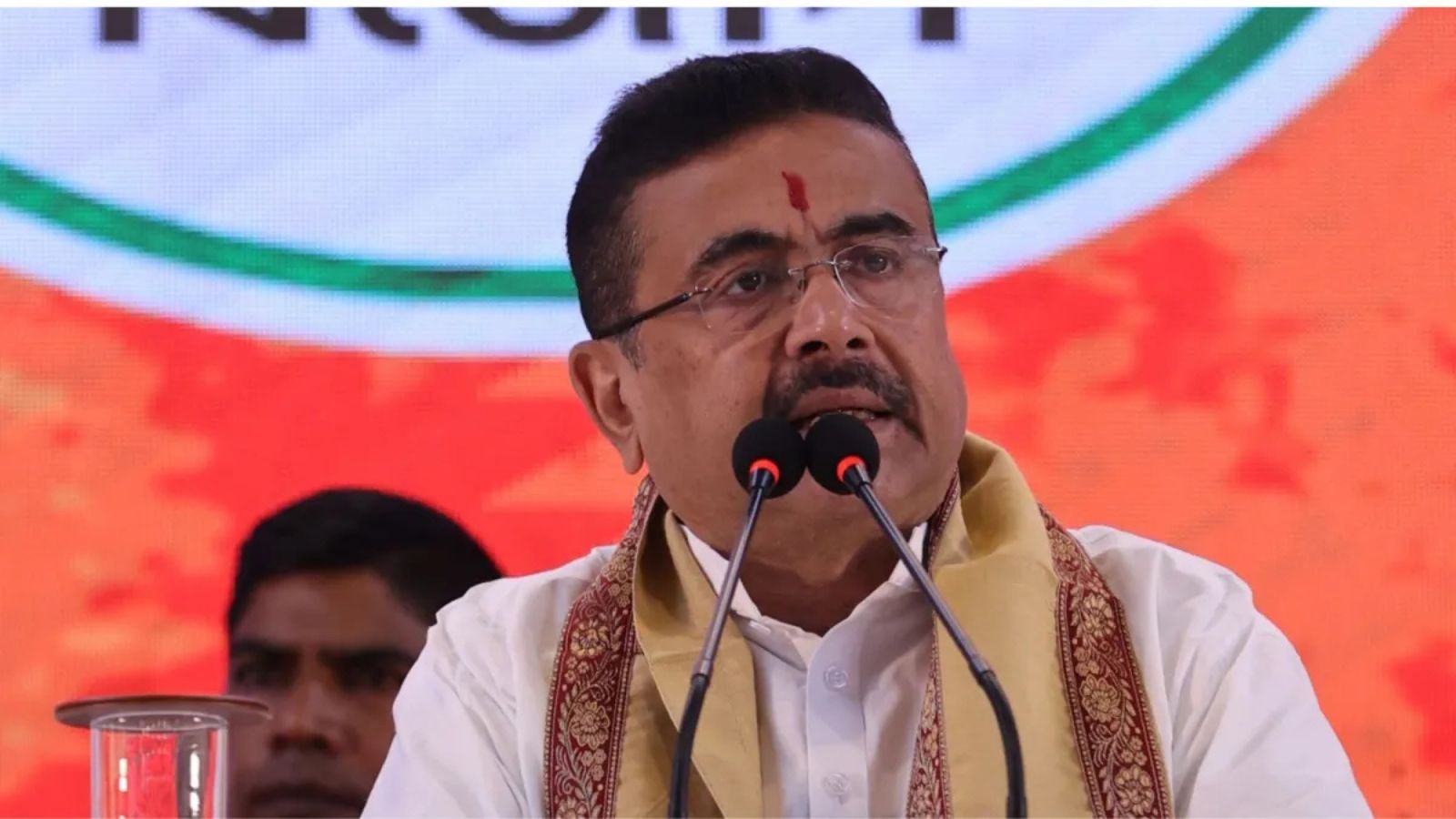
The Bengal Police's Special Task Force (STF) apprehended a woman in Jharkhand, accusing her of assisting a suspected Jaish-e-Mohammed operative, Hamim Mondal, in collecting sensitive information through 'honeytrap' methods. Mondal, arrested earlier, was allegedly tracking the movements of West Bengal Chief Minister Suvendu Adhikari and other ministers, receiving directions from a Paki…
Imagine a spy movie where a bad guy, Hamim, was caught trying to find out where important leaders in Bengal go, maybe to cause trouble. Now, the police have also caught a woman, Arpita, who they say helped him by pretending to be friendly with people to get secrets from them, like a 'honeytrap'. They even used a secret app to talk to someone far away in Pakistan. The police are now trying to figure out how big their secret club is and what they were planning.
Analysis
Unraveling the Alleged Network
The arrest of Arpita Sarkar by the Bengal Police's Special Task Force (STF) marks a significant development in the ongoing investigation into a suspected Jaish-e-Mohammed (JeM) network operating in West Bengal. Sarkar is accused of being an active accomplice to Hamim Mondal, a suspected JeM operative who was previously apprehended. This dual arrest suggests a more organized and potentially widespread operation than initially perceived, indicating that Mondal was not acting in isolation but as part of a coordinated effort.
The police investigation has revealed that Mondal, who resided in upscale apartments in Bardhaman and Kolkata, was allegedly tasked with collecting intelligence on critical targets, including West Bengal Chief Minister Suvendu Adhikari and other state ministers. The geographical spread of Mondal's alleged activities, from Howrah to New Town and Bardhaman, suggests a deliberate strategy to establish a presence in various key locations, potentially for surveillance and information gathering. The STF's ability to trace and apprehend Sarkar, following an analysis of Mondal's communications, underscores the effectiveness of digital forensics in counter-terrorism operations.
The 'Honeytrap' Modus Operandi
A particularly concerning aspect of this case is the alleged use of 'honeytraps' by Arpita Sarkar to extract information. This method involves luring individuals into compromising situations, often through romantic or sexual overtures, to gain their trust and exploit them for intelligence. This tactic is a well-documented strategy employed by various intelligence agencies and terror groups globally, as it can yield highly sensitive information from unsuspecting targets.
Furthermore, the police noted that both Mondal and Sarkar communicated through a 'special app,' indicating a level of operational security designed to evade detection. This reliance on encrypted or specialized communication channels, coupled with the alleged direction from a Pakistan-based handler, points to a sophisticated and externally supported network. The 'honeytrap' element adds a layer of complexity and human vulnerability to the intelligence gathering process, making it a potent tool for adversaries seeking to compromise individuals with access to sensitive data or proximity to high-value targets.
Broader Implications for State Security
The alleged targeting of West Bengal Chief Minister Suvendu Adhikari and other ministers raises serious questions about the security protocols surrounding political figures and the broader threat landscape in the state. Such attempts by suspected terror operatives to track the movements and routes of high-ranking officials represent a direct challenge to state security and could potentially be precursors to more severe actions. CM Adhikari himself acknowledged the sensitivity of the issue, highlighting the potential for 'international connections' in the case.
This incident serves as a stark reminder of the persistent threat of terrorism and the evolving methods employed by groups like Jaish-e-Mohammed. It necessitates a continuous re-evaluation and strengthening of counter-intelligence measures, digital security protocols, and public awareness campaigns to guard against such sophisticated infiltration and intelligence gathering attempts. The ongoing interrogation of Mondal and Sarkar is crucial for uncovering the full extent of this alleged network, its objectives, and any other individuals involved, both domestically and internationally.
Key points
- Bengal STF arrested Arpita Sarkar, an alleged accomplice of suspected Jaish-e-Mohammed operative Hamim Mondal.
- Sarkar is accused of using 'honeytrap' methods to gather information for Mondal.
- Mondal was allegedly tracking the movements of West Bengal Chief Minister Suvendu Adhikari and other ministers.
- Both Mondal and Sarkar reportedly communicated via a special app and received directions from a Pakistan-based handler.
- Mondal was remanded in police custody for 14 days for further interrogation.
The arrests of both the suspected operative and his alleged accomplice demonstrate the effectiveness of the Bengal STF in disrupting potential terror plots and networks. This success could lead to further intelligence, dismantling more elements of the group, and enhancing the security of political figures and the state.
Despite the arrests, the alleged involvement of a Pakistan-based handler and the sophisticated methods used suggest a deeper, more resilient network that might continue to pose threats. The targeting of high-profile political figures indicates a significant security vulnerability that could be exploited by other operatives.