Women in UK arts feel they do not have equal opportunities for roles, says report
A new report reveals that 95% of women in the UK arts sector believe gender inequality persists, with 75% experiencing unconscious bias or sexism, particularly as they age.
Intelligence analysis by Gemini 2.5 Flash
The UK arts industry is criticized for its fixation on "young and emerging" talent, leading to significant age and gender discrimination against women. The report highlights how this bias affects career progression, with AI in hiring potentially exacerbating these issues by penalizing career breaks.
Imagine a playground where girls love to play dress-up and tell stories, but as they get a bit older, the grown-ups only pick the youngest kids for the best parts. This report says that's happening in the UK arts world, like acting or writing. Women feel it's much harder to get good jobs, especially when they're not super young anymore, because everyone wants "new" talent. Even computers used for hiring might accidentally make it worse because they don't understand why someone might take a break, like to care for family.
Analysis
76 arts professionals
The recent survey, encompassing 76 arts professionals, provides compelling evidence of deep-seated gender inequality within the UK arts sector. A staggering 95% of women surveyed acknowledged the persistence of gender disparities, while three-quarters reported direct experiences with unconscious bias or sexism. These figures underscore a pervasive cultural issue that extends beyond individual incidents to a systemic problem affecting career trajectories and opportunities.
Furthermore, the research highlights a critical intersection of ageism and sexism, with 69% of respondents feeling that age negatively impacted their career success. This sentiment was universal among women in artistic roles, reaching 100%. The industry's overt preference for "young and emerging" talent effectively marginalizes experienced women, leading to a significant loss of valuable skills and knowledge. This fixation creates an environment where older women find their opportunities diminishing rapidly, often well before typical retirement age.
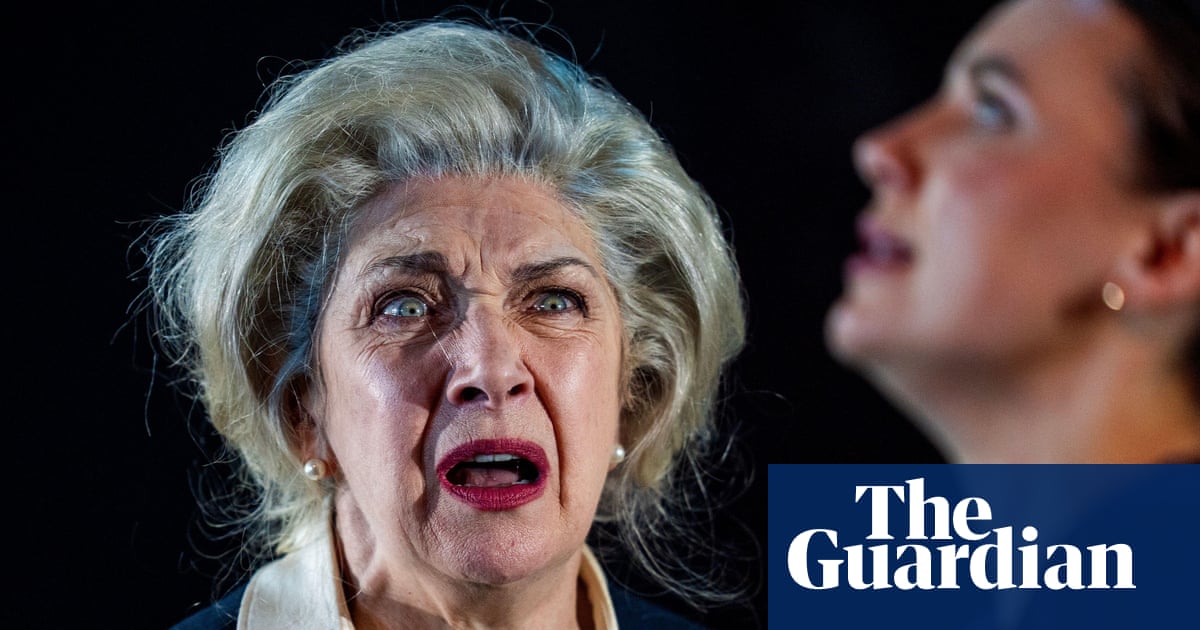
Maureen Beattie
Veteran theatre and TV actor Maureen Beattie's testimony powerfully corroborates the report's findings, drawing on her extensive personal experience. Beattie, who recently played Shakespeare's Lear at 72, expressed no surprise at the evidence of age discrimination, noting that she considers herself "one of the lucky ones" to have navigated such a challenging landscape. Her success, she implies, is an exception rather than the norm, highlighting the scarcity of substantial roles for older women.
Beattie passionately articulated the profound waste of talent resulting from this discrimination, emphasizing the "great talent and life knowledge and technical skill older women bring to the table." Her call for "far more of these great big meaty roles for women" is not merely about individual opportunity but about enriching the entire cultural landscape. The current system, she argues, allows invaluable contributions to "go on disappearing into the night," diminishing the quality and diversity of artistic output.
Arts Council England
The report's findings are intended to inform a taskforce established by Arts Council England, which also funds the research project by Women in the Arts. An Arts Council England spokesperson confirmed that this group will address challenges such as "glass ceilings, harassment and caring responsibilities," aiming to identify best practices and interventions. This institutional engagement suggests a recognition of the problem at a policy level, offering a pathway for systemic change.
The report itself proposes several concrete actions to combat gender discrimination, including increased targeted funding, the implementation of representation targets similar to those in Australia, and the development of leadership programmes. Crucially, it also advocates for algorithmic audits to mitigate bias in hiring processes, acknowledging the potential for AI to exacerbate existing inequalities. These recommendations, which will be presented to ministers, aim to foster a more equitable and inclusive cultural sector in the UK.
Key points
- 95% of women in UK arts believe gender inequality persists, with 75% experiencing bias or sexism.
- Ageism significantly impacts women's careers, with 69% feeling age negatively affects success, rising to 100% for those in artistic roles.
- The industry's focus on "young and emerging" talent marginalizes experienced older women, leading to a waste of talent.
- AI in hiring processes is identified as a potential exacerbator of discrimination, particularly for women who take career breaks.
- The report recommends targeted funding, representation targets, leadership programs, and algorithmic audits to address these issues.
The report's findings are set to inform a taskforce by Arts Council England, which could lead to targeted funding, representation targets, and leadership programs. These interventions, along with algorithmic audits, offer a clear path to addressing systemic biases and fostering a more equitable and inclusive arts sector for women.
Despite the report, ingrained industry biases and a persistent fixation on youth could prove difficult to dislodge, potentially leading to slow or insufficient change. The increasing use of AI in hiring, if not carefully audited, risks further entrenching discrimination against older women who have taken career breaks.