Women’s share of blood donation targeted to rise to 30%
Iran aims to increase women's share of blood donation to 30% by addressing barriers to their participation, as only 5% of blood donations come from women.
Intelligence analysis by Llama
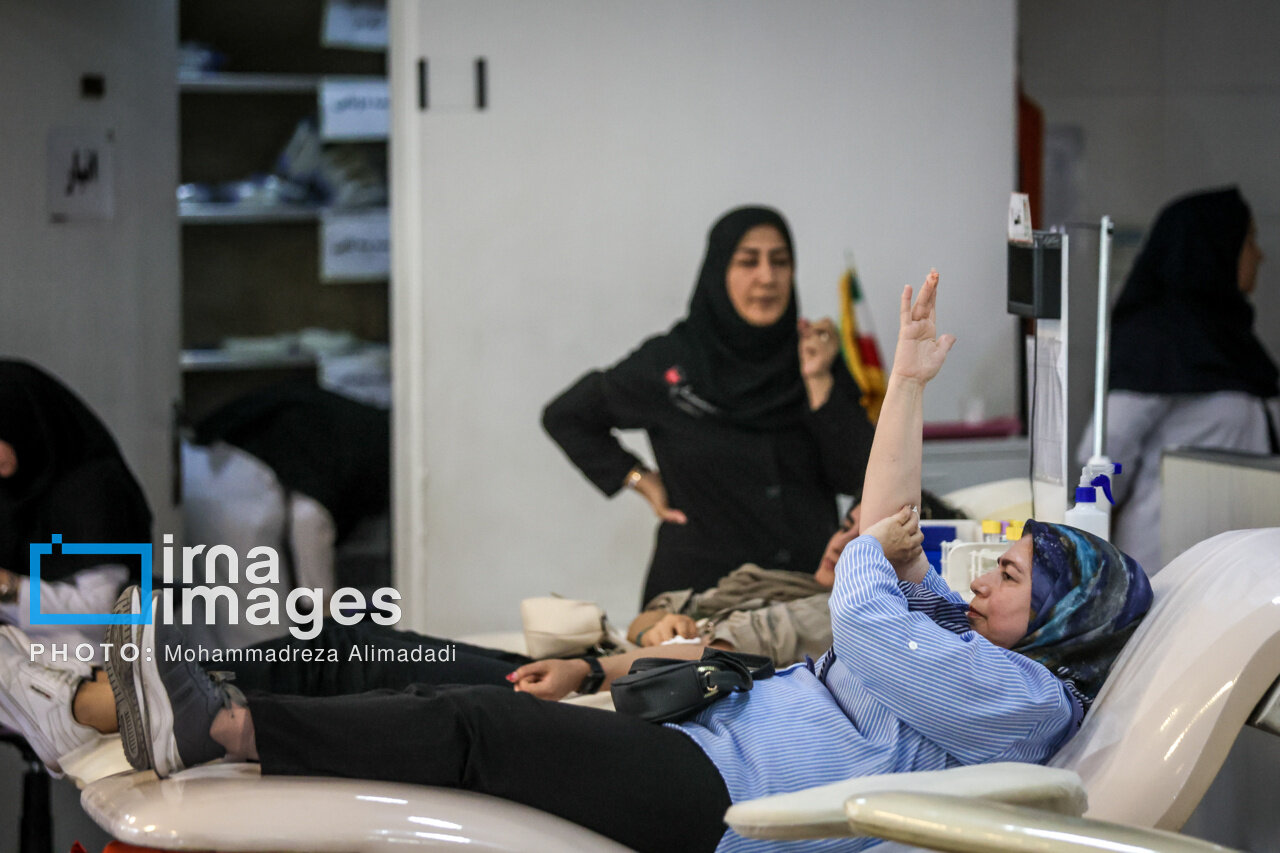
Iran's government targets a 30% increase in women's blood donations, citing their potential and level of social participation, despite only 5% of donations currently coming from women.
Iran wants to get more women to donate blood, as only 5% of blood donations come from women. They think women can do more to help, and they're trying to figure out why they're not donating as much as they could.
Analysis
Women's Share of Blood Donation: A Key Priority for Iran's Healthcare System
Iran's healthcare system relies heavily on voluntary and unpaid blood donations, with the country being the first and sole country in the Eastern Mediterranean region to meet its need for blood and blood products. However, the current share of women in blood donation is only around 5%, which is not commensurate with their potential and level of social participation. The government has set a target of increasing women's share of blood donation to at least 30% by identifying and addressing the barriers to their participation.
According to Zahra Behrouz-Azar, the vice president for women and family affairs, Iranian women are active and influential participants in various areas of society. However, their share of blood donation remains at around 5% — a figure that does not correspond to their potential or level of social participation. Behrouz-Azar emphasized that achieving lasting change requires practical measures to be accompanied by a thorough understanding of the barriers preventing women from participating in blood donation.
Addressing Barriers to Women's Participation in Blood Donation
The government has taken several initiatives to increase women's participation in blood donation, including the
Key points
- Iran aims to increase women's share of blood donation to 30% by addressing barriers to their participation.
- Only 5% of blood donations come from women, despite their potential and level of social participation.
- The government has taken several initiatives to increase women's participation in blood donation.
- The advances in medicine and the aging population increase the demand for blood and blood products.
- Iran is the first and sole country in the Eastern Mediterranean region to meet its need for blood and blood products.
If Iran successfully increases women's participation in blood donation to 30%, it could lead to a more stable and reliable blood supply, benefiting the country's healthcare system and patients in need.
If Iran fails to address the barriers preventing women from participating in blood donation, it could lead to a shortage of blood and blood products, compromising the country's healthcare system and patients in need.