Work stress led woman to discover genetic condition that looks like heart attack
Christina Chua, 73, experienced severe stress in her 50s, which triggered symptoms of atrial fibrillation and later hypertrophic cardiomyopathy, a genetic heart condition. She was prescribed medication and started using a smartwatch to monitor her condition, allowing her …
Intelligence analysis by Llama
A 73-year-old woman's severe stress led to a diagnosis of hypertrophic cardiomyopathy, a genetic heart condition. She was prescribed medication and started using a smartwatch to monitor her condition, improving her quality of life.
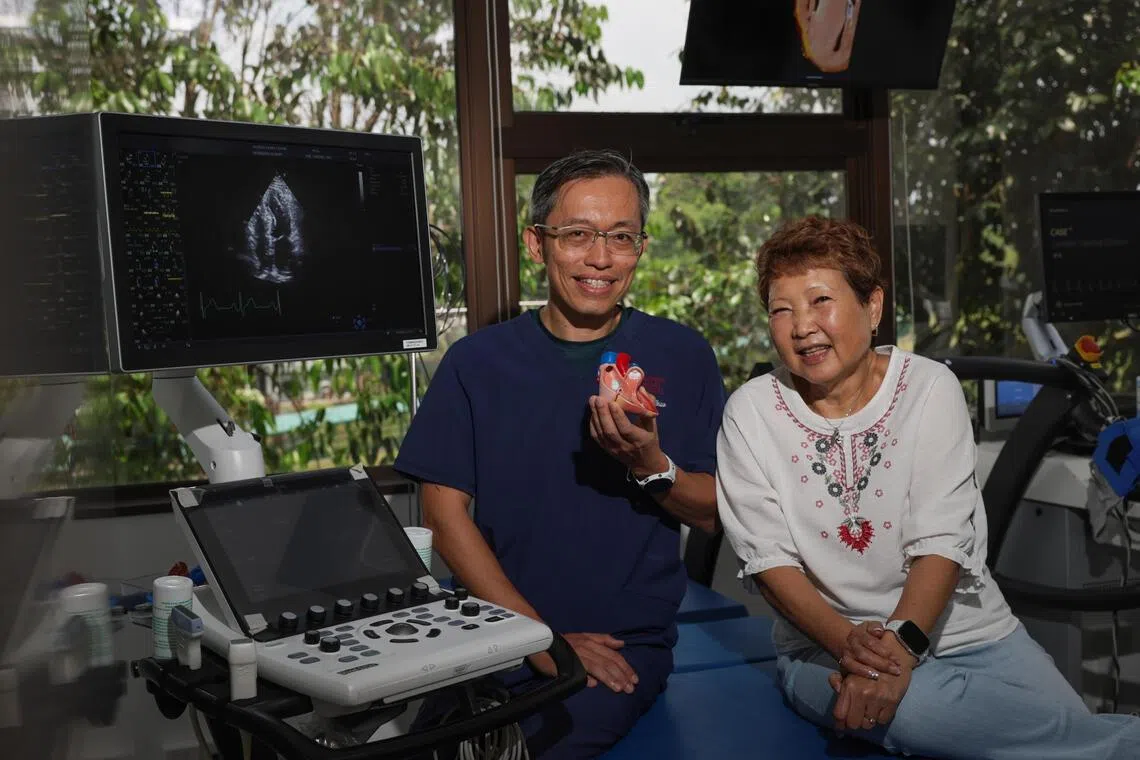
Christina Chua, a 73-year-old woman, experienced severe stress in her 50s, which triggered symptoms of a genetic heart condition called hypertrophic cardiomyopathy. She was prescribed medication and started using a smartwatch to monitor her condition, allowing her to travel and perform daily activities without feeling breathless or fatigued. It's like her heart was working too hard, but with the right treatment, she can now live a normal life.
Analysis
Hypertrophic Cardiomyopathy: A Genetic Heart Condition
Hypertrophic cardiomyopathy is a genetic heart condition that causes the heart muscle to thicken. This thickening can lead to stroke, heart failure, and even sudden cardiac death in rare cases. The condition is estimated to affect about one in every 500 people worldwide, although the actual number may be higher as many with the condition may not show any symptoms.
Christina Chua's case is a prime example of how hypertrophic cardiomyopathy can manifest differently across patients. She experienced severe stress in her 50s, which triggered symptoms of atrial fibrillation and later hypertrophic cardiomyopathy. Despite the challenges she faced, Chua's condition improved significantly after she was prescribed medication and started using a smartwatch to monitor her condition.
The importance of diagnosis and treatment of hypertrophic cardiomyopathy cannot be overstated. According to cardiologist Tang Hak Chiaw, the condition often goes undiagnosed as it manifests differently across patients, with symptoms similar to those of other heart or lung conditions. In more serious cases, patients may have to undergo septal myectomy – open-heart surgery where part of the thickened heart tissue is removed, allowing blood to flow more easily.
Tang advises first-degree blood relatives of those with the condition to get checked, adding that genetic tests are available alongside echocardiograms. Chua's case highlights the need for family members to get screened due to genetic risk. With proper diagnosis and treatment, individuals with hypertrophic cardiomyopathy can lead active and healthy lives.
The Role of Genetics in Hypertrophic Cardiomyopathy
The US Centers for Disease Control and Prevention notes that the child of someone with hypertrophic cardiomyopathy has a 50 per cent chance of inheriting the condition. Chua suspects that her mother might have had the condition as she showed symptoms such as sweating and breathlessness in her later years. Tang advises first-degree blood relatives of those with the condition to get checked, adding that genetic tests are available alongside echocardiograms.
Managing Hypertrophic Cardiomyopathy with Medication and Lifestyle Changes
Chua's case highlights the importance of medication and lifestyle changes in managing hypertrophic cardiomyopathy. She was prescribed medication that worked 'extremely well' and started using a smartwatch to monitor her condition. With proper medication and lifestyle changes, individuals with hypertrophic cardiomyopathy can lead active and healthy lives.
The Importance of Screening for Hypertrophic Cardiomyopathy
Tang advises first-degree blood relatives of those with the condition to get checked, adding that genetic tests are available alongside echocardiograms. Chua's case highlights the need for family members to get screened due to genetic risk. With proper screening and diagnosis, individuals with hypertrophic cardiomyopathy can receive timely treatment and improve their quality of life.
Key points
- Christina Chua, 73, experienced severe stress in her 50s, which triggered symptoms of atrial fibrillation and later hypertrophic cardiomyopathy, a genetic heart condition.
- She was prescribed medication and started using a smartwatch to monitor her condition, improving her quality of life.
- Hypertrophic cardiomyopathy is a genetic heart condition that causes the heart muscle to thicken, leading to stroke, heart failure, and even sudden cardiac death in rare cases.
- The condition is estimated to affect about one in every 500 people worldwide, although the actual number may be higher as many with the condition may not show any symptoms.
- Tang advises first-degree blood relatives of those with the condition to get checked, adding that genetic tests are available alongside echocardiograms.
With proper diagnosis and treatment, individuals with hypertrophic cardiomyopathy can lead active and healthy lives. Chua's case highlights the importance of medication and lifestyle changes in managing the condition. She was prescribed medication that worked 'extremely well' and started using a smartwatch to monitor her condition, improving her quality of life.
If left untreated, hypertrophic cardiomyopathy can lead to stroke, heart failure, and even sudden cardiac death in rare cases. Chua's case highlights the need for proper diagnosis and treatment of the condition, as well as the importance of screening for family members due to genetic risk.