World’s largest chipmaker does not rule out price rises as costs increase
TSMC says inflation is raising costs and it may need to lift prices, but not by sudden large jumps.
Intelligence analysis by GPT-5.4 Mini
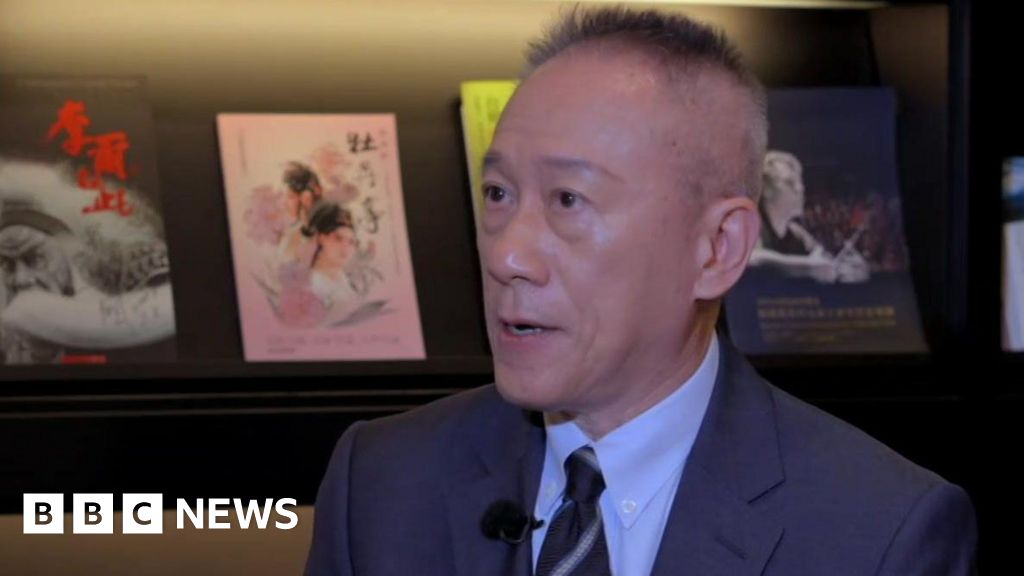
TSMC told the BBC that higher inflation is pushing up business costs and that price rises are possible, though not the kind of sharp jumps the company ruled out. The interview also touched on AI demand, US-China tensions, and where the most advanced chips will be made.
TSMC is like the bakery that makes the tiny chips for many gadgets. If flour and gas get more expensive, the bakery may charge more too. Since almost everyone needs its chips, even a small price change can spread far.
Analysis
Costs, pricing, and AI demand
TSMC, the company that makes many of the most advanced chips used by Nvidia, AMD, and Apple, said inflation is increasing its costs. Chief financial officer Wendell Huang did not promise price rises, but he also did not rule them out. He said the company would not impose sudden huge increases and said pricing should reflect TSMC’s value, including its technology leadership and manufacturing quality.
A company at the center of global chip politics
The interview came as TSMC continues expanding in Taiwan, the US, Germany, and Japan. Huang pushed back on the idea that this expansion is mainly the result of government pressure, saying the company builds capacity where customers want it. He also said the most advanced chip production will remain in Taiwan, and that moving the full manufacturing ecosystem to the US would take five to 10 years or longer.
AI boom, but not a bubble, TSMC says
Huang rejected the view that the AI surge is a bubble. He said TSMC remains under heavy pressure from customers to grow faster, while investors debate whether spending on AI infrastructure can continue. The article also notes that tech and chip shares have recently fallen as markets worry about high valuations.
Overall, the story shows how one company’s pricing, investment plans, and production geography can affect AI hardware, trade tensions, and the broader semiconductor market.
Key points
- TSMC said inflation is increasing the cost of doing business.
- The company did not rule out higher prices, but said it would avoid sudden large jumps.
- TSMC is under pressure from strong AI demand and wants to expand capacity quickly.
- The company says its most advanced chip production will stay in Taiwan for now.
- Its expansion in the US, Germany, and Japan is tied to customer demand, according to the CFO.
If TSMC keeps scaling production to match demand, chip supply could stay strong enough to support AI buildouts and electronics manufacturing. Its emphasis on technology leadership and manufacturing quality could also help it pass costs on without losing customers.
If inflation keeps lifting costs faster than TSMC can absorb them, customers could face higher chip bills that eventually flow into device and AI infrastructure prices. The company’s dependence on a tightly concentrated manufacturing ecosystem also leaves it exposed to trade tensions and slow, difficult expansion outside Taiwan.