Xi Jinping Issues Important Instructions on Mudslide Disaster in Gyirong County, Tibet
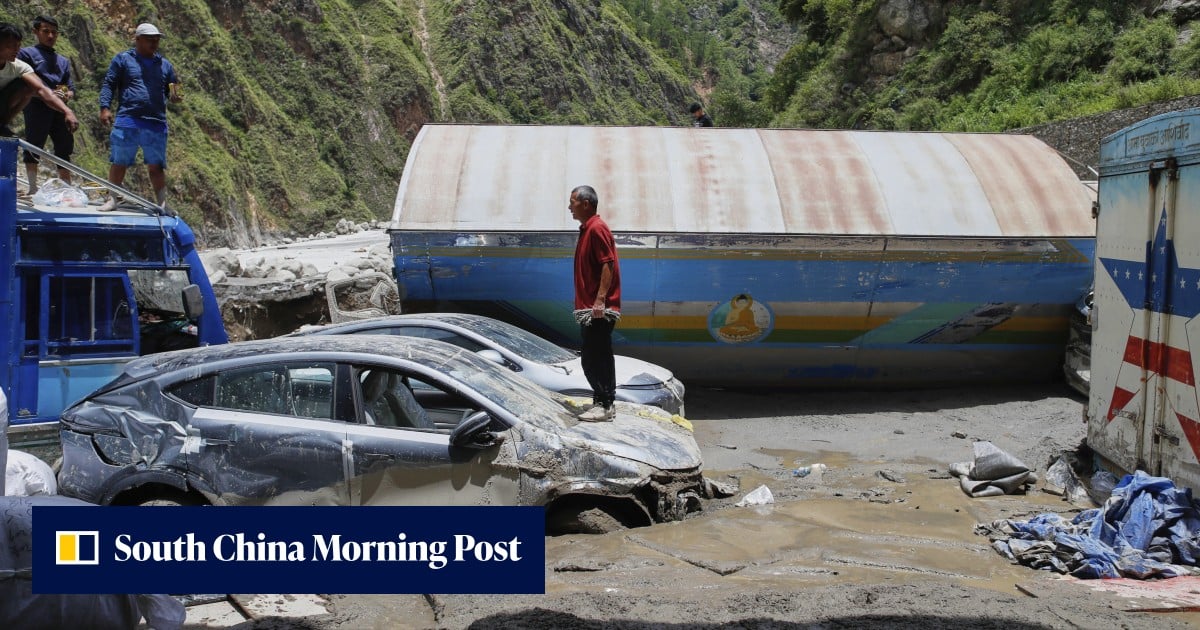
Chinese President Xi Jinping issued crucial directives following a mudslide disaster near Gyirong Port in Tibet, which caused casualties and missing persons. He emphasized urgent search and rescue efforts, relocation of affected residents, and comprehensive measures to pr…
Intelligence analysis by Gemini 2.5 Flash

A significant mudslide originating from Nepal impacted Gyirong Port in Tibet, prompting immediate and high-level response from Chinese leadership. President Xi Jinping and Premier Li Qiang both issued instructions for extensive rescue operations, victim treatment, and proactive disaster prevention, with a Vice Premier dispatched to the site to oversee efforts.
Imagine a big mudslide happened near a special border crossing in Tibet, causing trouble for people. The country's top leader, President Xi, immediately told everyone to rush and help find missing people, take care of the hurt, and move others to safety. He also said it's super important to check for other dangers so no more bad things happen, especially since it's a time when floods can easily occur.
Analysis
The mudslide disaster impacting Gyirong Port in Tibet, originating from the Nepalese side, underscores the complex challenges of natural disaster management in border regions. Gyirong Port is a crucial land port connecting China and Nepal, serving as a significant gateway for trade and tourism between the two countries. Its strategic importance means that any disruption, especially one causing "significant casualties and missing persons" as reported, has immediate implications not just for local communities but also for bilateral relations and regional stability. The cross-border nature of the incident necessitates careful diplomatic coordination, as highlighted by Premier Li Qiang's instruction for the Ministry of Foreign Affairs to engage with "relevant countries." This incident serves as a stark reminder of the vulnerability of critical infrastructure and populations in mountainous, seismically active areas prone to geological hazards, especially during periods of heavy rainfall.
Gyirong Port
Gyirong Port, situated in Xigaze City, Tibet, is more than just a geographical location; it is a vital artery for economic and cultural exchange between China and Nepal. The port's closure or severe disruption due to a natural disaster can have cascading effects on regional supply chains and local livelihoods. The article's mention of the mudslide occurring on the "Nepalese side" but impacting the Chinese port emphasizes the shared environmental risks faced by both nations in the Himalayas. This shared vulnerability often necessitates joint disaster preparedness and response mechanisms, though the article primarily focuses on China's internal response. The incident highlights the need for robust infrastructure and early warning systems that account for cross-border geological instability.
Xi Jinping
President Xi Jinping's "important instructions" following the disaster are a clear demonstration of the Chinese leadership's "people-first" approach to governance, particularly in times of crisis. His directives to "make every effort to search for missing persons, relocate threatened residents, and promptly treat the injured" set the overarching priority for all levels of government. Furthermore, his emphasis on "strengthening monitoring and early warning" and "scientific rescue" reflects a strategic focus on both immediate relief and long-term disaster prevention. This top-down command structure ensures that resources are mobilized swiftly and that a unified national response is implemented, aiming to minimize human suffering and property loss. Such high-level intervention underscores the political significance attached to effective disaster management in China.
Li Qiang
Premier Li Qiang's subsequent instructions provide the operational framework for implementing President Xi's broader directives. Li's call to "quickly verify the number of missing and affected people" and "organize forces to carry out emergency rescue with all efforts" translates the high-level guidance into actionable steps. His specific mention of the Ministry of Foreign Affairs coordinating with "relevant countries" points to the diplomatic dimension of managing a cross-border disaster, ensuring smooth communication and potential joint efforts. The Premier's emphasis on "scientific rescue" and "strictly prevent secondary disasters" also highlights a pragmatic approach to emergency response, aiming to avoid further complications. The dispatch of Vice Premier Zhang Guoqing to the site further solidifies the central government's direct involvement and oversight of the rescue and recovery operations.
Key points
- A mudslide originating from Nepal caused casualties and missing persons at Gyirong Port in Tibet.
- President Xi Jinping issued urgent instructions for search and rescue, victim treatment, and resident relocation.
- Xi emphasized strengthening monitoring, scientific rescue, and preventing secondary disasters during the critical flood season.
- Premier Li Qiang also issued directives, including coordinating with relevant countries and thoroughly investigating risks.
- Vice Premier Zhang Guoqing was dispatched to the site to guide rescue and disposal operations.
The swift and coordinated response from China's highest leadership, including the dispatch of a Vice Premier to the disaster site, suggests that rescue and relief efforts will be robust and well-resourced. This proactive approach, coupled with an emphasis on scientific rescue and prevention of secondary disasters, could lead to minimized casualties and efficient recovery for the affected region.
Despite high-level directives, the cross-border nature of the mudslide, originating from Nepal, could complicate rescue and recovery efforts due to geographical challenges and potential coordination hurdles with another country. The ongoing critical flood season also poses a persistent risk of further natural disasters, potentially straining resources and hindering long-term safety measures.