Xiaomi opens pre-orders for N90 Max extended-range SUV at RMB299,900
Xiaomi has opened pre-orders for its N90 Max extended-range SUV, priced at RMB299,900, with a formal release slated for September. The vehicle integrates Xiaomi's HAD assisted-driving system and XLA cognitive model with Nvidia's Thor platform.
Intelligence analysis by Gemini 2.5 Flash
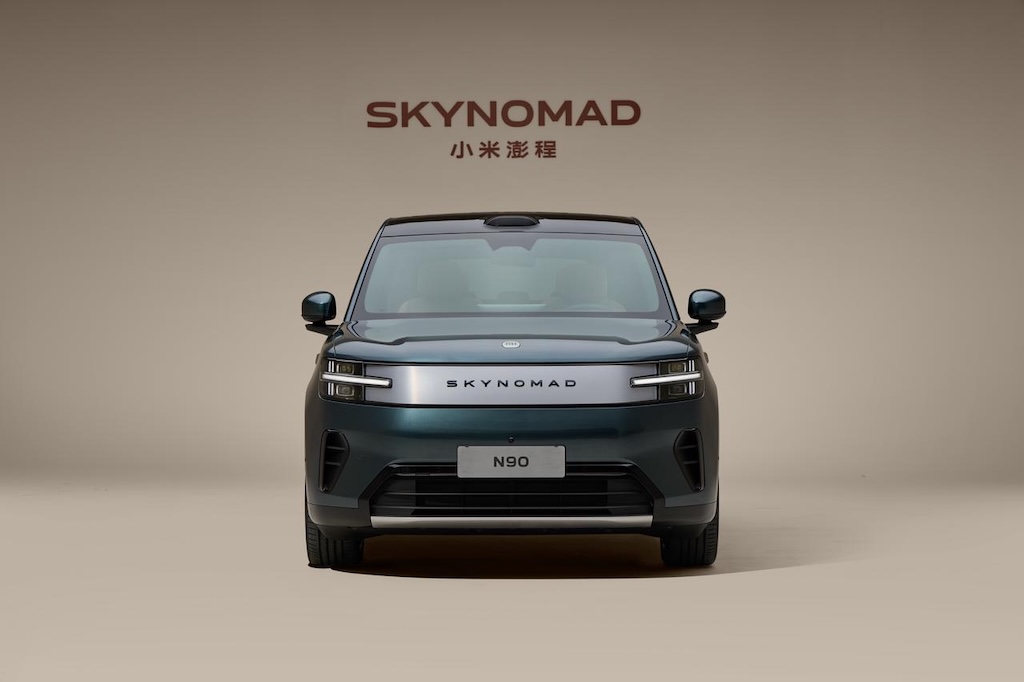
Xiaomi is expanding its vehicle lineup with the N90 Max SUV, which leverages advanced AI and computing hardware from both Xiaomi and Nvidia. This move signifies Xiaomi's strategy to deeply integrate its automotive offerings with its broader software and connected-device ecosystem, aiming for a comprehensive smart mobility solution.
Imagine a super smart car that Xiaomi, a company that makes phones and other cool gadgets, is selling. This car, called the N90 Max, can drive itself a bit and uses a special computer brain from Nvidia, like a super-fast calculator, to help it see and understand the road. It can also go a really, really long way on one tank of gas and battery, like driving from one end of a big country to the other without stopping much!
Analysis
Xiaomi's AI-Powered Automotive Ambition
Xiaomi's N90 Max SUV represents a significant step in the company's ambitious foray into the automotive sector, moving beyond its initial electric vehicle models. The integration of its proprietary HAD assisted-driving system and XLA cognitive model underscores Xiaomi's commitment to developing advanced AI capabilities in-house. This strategic move positions Xiaomi not merely as a car manufacturer, but as a comprehensive smart mobility provider, aiming to extend its established ecosystem of software and connected devices into the vehicle experience. The vehicle's reliance on Nvidia's Thor automotive computing platform further solidifies its high-tech credentials. This partnership suggests a focus on robust processing power essential for complex AI tasks like real-time environmental perception and decision-making in assisted driving. The inclusion of a rear solid-state lidar also points to an emphasis on advanced sensor technology, crucial for enhancing the accuracy and safety of its assisted-driving features.
Bridging the Ecosystem Gap
The N90 Max is designed to connect Xiaomi’s automotive business directly with its broader software, AI, and connected-device ecosystem. This integration is key to Xiaomi's long-term vision, allowing users to experience a seamless transition between their smart home, personal devices, and vehicle. Such an approach could offer a significant competitive advantage by creating a sticky user experience, where the car becomes another intelligent node within a familiar digital environment. This strategy mirrors similar moves by other tech giants entering the automotive space, all aiming to leverage their existing user bases and software expertise. By offering a unified experience, Xiaomi seeks to differentiate its vehicles in a crowded market, appealing to consumers who value convenience and interconnectedness. The pre-order launch at RMB299,900 indicates a premium positioning for this extended-range SUV, targeting a segment willing to pay for advanced technology and integrated services.
Performance and Market Positioning
Beyond its AI and connectivity features, the N90 Max boasts impressive performance metrics, including a CLTC combined range of 1,705 kilometers. This extended range addresses a key concern for many SUV buyers, particularly in the electric and extended-range vehicle segments, alleviating range anxiety. The ability to gain up to 285 kilometers of additional range from just 15 minutes of energy replenishment further enhances its practicality and appeal for long-distance travel. The formal release in September will be a critical moment for Xiaomi, as it will reveal the full suite of features and the market's initial reception. The pre-order phase allows Xiaomi to gauge consumer interest and build anticipation. This launch is not just about a new car; it's about Xiaomi's continued evolution as a tech conglomerate, demonstrating its capacity to innovate and compete across diverse, high-stakes industries, with AI serving as a central pillar of its product differentiation.
Key points
- Xiaomi has opened pre-orders for its N90 Max extended-range SUV at RMB299,900.
- The SUV integrates Xiaomi’s HAD assisted-driving system and XLA cognitive model with Nvidia’s Thor computing platform.
- It features a rear solid-state lidar and boasts a CLTC combined range of 1,705 kilometers.
- The N90 Max connects Xiaomi's automotive business with its broader software, AI, and connected-device ecosystem.
- Formal release of the vehicle is scheduled for September.
The N90 Max's integration of advanced AI and computing platforms could set a new standard for smart vehicles, offering enhanced safety and convenience through sophisticated assisted-driving features. This expansion could solidify Xiaomi's position as a leader in integrated smart ecosystems, attracting consumers seeking seamless connectivity across their devices and transportation.
The success of the N90 Max hinges on the reliability and performance of its complex AI systems, and any glitches could damage consumer trust in Xiaomi's automotive venture. Intense competition in the extended-range SUV market, coupled with high development costs, could also challenge Xiaomi's profitability and market share in the long run.