Yemen's Houthis: We targeted Saudi Aramco facilities in Jizan and Yanbu
Yemen's Houthi rebels claim they struck Saudi Aramco facilities in Jizan and Yanbu with ballistic missiles, drawing Saudi air defense interception. The attack comes amid an ongoing US-Iran conflict and follows Houthi threats of retaliation for Saudi airstrikes on Hodeidah.
Intelligence analysis by Llama
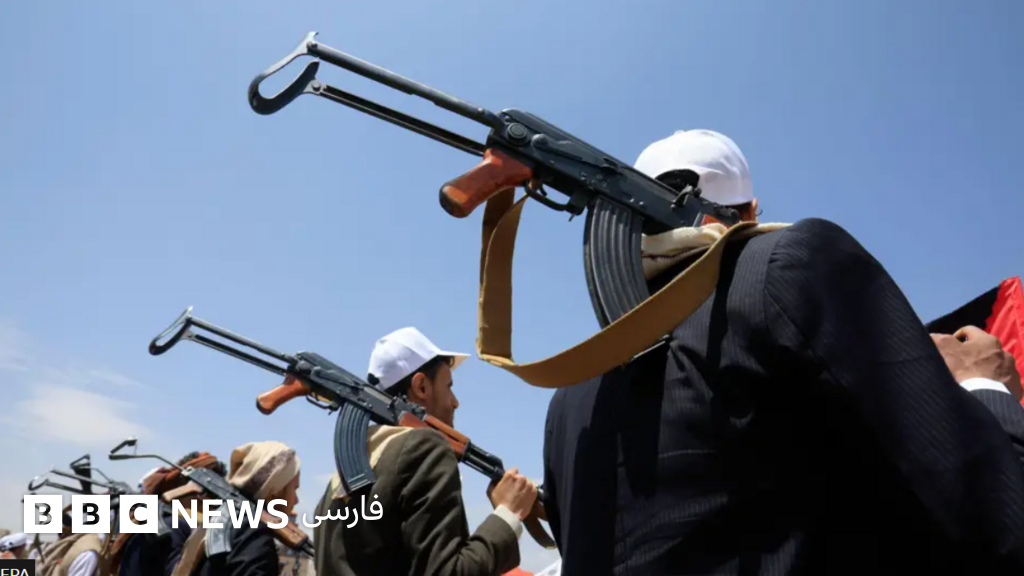
Houthis claim missile strikes on Saudi Aramco oil sites in Jizan and Yanbu, with Saudi air defense intercepting two ballistic missiles. The escalation occurs as US-Iran air strikes have paused, with Omani mediators in Tehran and Trump signaling continued negotiations alongside threats.
A rebel group in Yemen called the Houthis, who are friends with Iran, fired missiles at Saudi Arabia's big oil factories. Saudi Arabia tried to shoot the missiles down. This is happening while the US and Iran are also fighting, and people are worried the price of gas and oil might go up around the world.
Analysis
Houthi Strikes Ratchet Up Pressure on Saudi Oil
The Iran-backed Houthi movement's claim of targeting Saudi Aramco facilities in Jizan and Yanbu escalates a long-running pattern of attacks on Saudi energy infrastructure. Yahya al-Sari, the Houthi military spokesman, announced the operation, while Saudi air defense reportedly intercepted two ballistic missiles aimed at the country's oil facilities. The Houthis framed the strikes as retaliation for Saudi airstrikes on the port city of Hodeidah and a nearby island on Friday, and warned in a Telegram statement that "these recent crimes will not go unanswered."
The attack also fits into a wider Houthi campaign against Red Sea shipping, which alarmed global traders and pushed crude prices above $100 a barrel last week, the highest level in nearly two months. Notably, oil dropped more than $4 to around $96 a barrel on Saturday after two Chinese supertankers successfully transited the Bab el-Mandeb strait, illustrating how quickly the market can swing on shipping-route signals.
A Pause in US-Iran Strikes, But No De-escalation
For the first time in two weeks, no new US attacks on Iran were reported on Saturday, breaking a streak of 13 consecutive nights of strikes. Iran, which had been responding by targeting US military facilities across the Middle East, also announced no new attacks. Yet the pause looks tactical rather than strategic. President Trump, speaking to reporters at the White House, continued to threaten Iran with further attacks while insisting negotiations were ongoing, framing a choice between "a military exit where we continue as we are and can even make it heavier, or a smarter strategy where you make a deal."
Iranian state news agency IRNA reported that an Omani delegation had arrived in Tehran to discuss the Strait of Hormuz, where Oman controls the southern shore. The US and UK are separately convening a conference in London next week, attended by US Defense Secretary Pete Hegseth and Joint Chiefs Chair Dan Caine, to address the strait's security. Meanwhile, Israeli Prime Minister Netanyahu is scheduled to meet Trump at the White House in three days, a reminder that any US-Iran settlement must navigate Israeli red lines.
A 14-Point Memorandum, Now in Tatters
The current fighting follows a US-Iran agreement on a 14-point memorandum to halt military operations and reopen the Strait of Hormuz, with a 60-day timeline to reach a deal ending the war. That framework collapsed three weeks after signing when the US struck southern Iran in response to attacks on shipping in the strait, declaring the ceasefire "ended." Iran in turn announced it was suspending implementation of the memorandum.
The Houthis' new strikes on Saudi oil, the US disabling of a second tanker trying to evade the Iranian naval blockade on Friday, and Trump's simultaneous threats and deal-making rhetoric suggest the region is sliding toward a fragmented multi-front conflict rather than a clean bilateral resolution. With oil whipsawing on every shipping headline, energy markets will remain hostage to the next volley of attacks or talks.
Key points
- Yemen's Houthis claim ballistic missile strikes on Saudi Aramco facilities in Jizan and Yanbu, with Saudi air defense intercepting two missiles
- Houthi attacks framed as retaliation for Saudi airstrikes on Hodeidah and a nearby island on Friday, with warnings of further reprisals
- First pause in US-Iran strikes after 13 consecutive nights, though Trump continues to threaten Iran while insisting talks are ongoing
- Omani delegation arrived in Tehran to discuss the Strait of Hormuz, while the US and UK prepare a London conference on the same issue next week
- Oil prices dropped over $4 to around $96 a barrel after two Chinese supertankers successfully transited the Bab el-Mandeb strait
Oman's mediation in Tehran and Trump's continued reference to negotiations suggest a diplomatic off-ramp remains on the table. The London conference next week, which brings together the US and UK to address Strait of Hormuz security, could create a venue for de-escalation. If the 14-point memorandum can be revived, the simultaneous pause in US-Iran strikes could harden into a ceasefire.
The Houthis' promise that 'these crimes will not go unanswered' signals further retaliation against Saudi infrastructure, and the US disabling of a second tanker trying to evade the Iranian blockade shows the naval campaign is widening. With Israeli Prime Minister Netanyahu meeting Trump in three days, Israeli pressure could push the US back toward escalation rather than the 'smarter strategy' Trump described. A fragmented multi-front conflict, with oil prices whipsawing on each headline, remains the most likely near-term path.
Market signals
- OIL Houthi strikes on Saudi oil infrastructure and the broader US-Iran conflict involving the Strait of Hormuz support elevated crude prices, even as recent successful shipping transits triggered short-term pullbacks.
- XAU Widening regional conflict between the US, Iran, and their respective allies, combined with threats to Gulf shipping lanes, supports safe-haven demand for gold.
AI-generated analysis of potential market relevance. Not financial advice.