Yen hits three-month high after Trump helps prop up currency
The Japanese yen has reached a three-month high against the US dollar following a rare joint currency intervention by the US and Japanese governments.
Intelligence analysis by Gemini 2.5 Flash
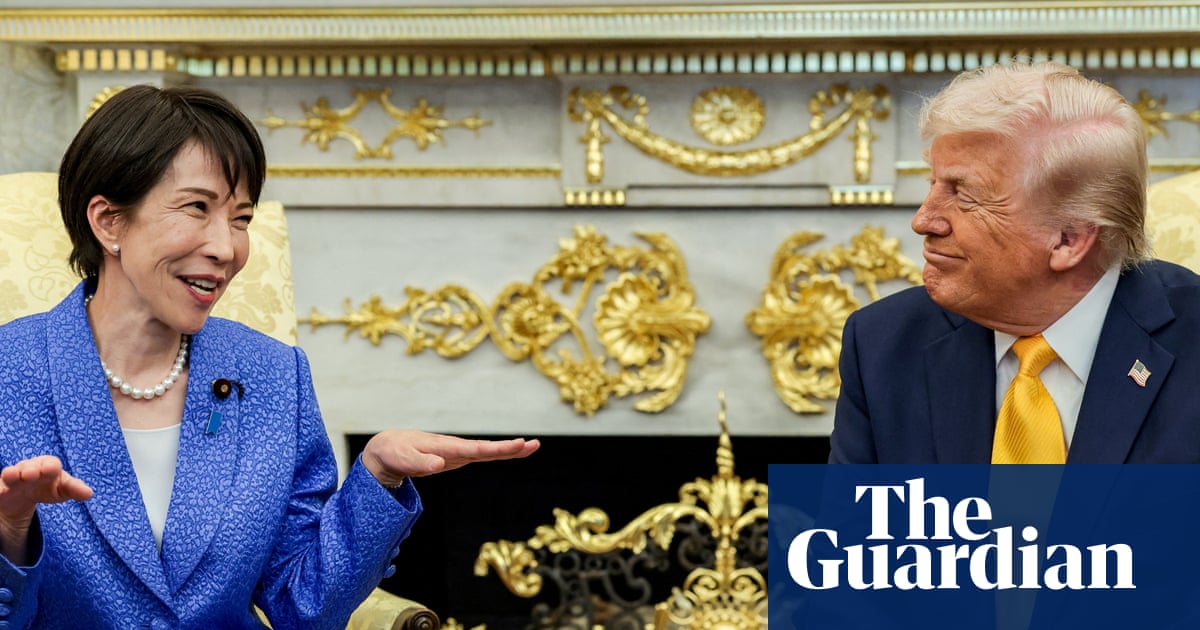
Tokyo and Washington confirmed coordinated yen-buying efforts after the currency hit a 40-year low, with former President Donald Trump stating the US was 'always there for Japan.' The intervention aims to counter yen weakness driven by interest rate differentials and Japanese domestic economic policies.
Imagine the Japanese yen is like a toy car that's been losing speed because everyone wants to trade it for a faster, more exciting car (the US dollar). To help the yen car speed up again, the US and Japanese governments decided to team up and give it a big push, buying lots of yen to make it more popular. This made the yen car go much faster, at least for now, but some people wonder if it will keep its speed without more help later.
Analysis
A Coordinated Response to Yen Weakness
The Japanese yen recently strengthened to ¥155 against the US dollar, marking its highest level in three months. This significant move followed a rare joint currency intervention by the US and Japanese governments, confirmed by both Tokyo's finance ministry and former US President Donald Trump. The coordinated effort involved buying yen to bolster its value, a direct response to the currency's depreciation to a 40-year low of nearly ¥164 to the dollar just last week. US Treasury Secretary Scott Bessent reiterated Washington's readiness for further joint action, signaling a strong commitment to currency stability.
This intervention marks the first such collaboration between Japan and the US since March 2011, when they intervened to weaken the yen after the Tohoku earthquake and tsunami. The current action underscores the severity of the yen's recent decline and the perceived need for decisive measures. Analysts like Lee Hardman of MUFG bank suggest that the threat of continued joint intervention, coupled with potential faster interest rate hikes by the Bank of Japan (BoJ), should deter speculators from betting against the yen, providing crucial support.
The Drivers Behind the Depreciation
The yen's recent weakness has been primarily attributed to a significant disparity in borrowing costs between Japan and other advanced economies, particularly the US. Japan's persistently lower interest rates have fueled a 'carry trade,' where investors borrow cheaply in yen to acquire higher-yielding dollar assets, thereby selling yen and driving down its value. This fundamental economic dynamic has created sustained downward pressure on the Japanese currency.
Adding to these pressures are concerns surrounding Japanese Prime Minister Sanae Takaichi's economic policies. Her administration's push for tax and spending measures to stimulate the economy, alongside her criticism of the Bank of Japan's higher interest rate settings, has contributed to investor apprehension. These domestic policy stances, which tend to keep borrowing costs lower, have exacerbated the yen's vulnerability and made it a target for speculative selling.
Future Implications and Market Outlook
The immediate impact of the joint intervention has been positive for the yen, but its long-term effectiveness remains a subject of debate among economists. Oxford Economics, for instance, suggests that while the coordinated action reduces the risk of a sharp depreciation, it may not be sufficient to reverse the underlying trend of yen weakness entirely. They anticipate that the Bank of Japan might still delay further rate hikes until December, using the breathing room provided by the intervention to assess broader economic impacts, including the Middle East conflict and previous rate adjustments.
The US Treasury Secretary's public 'to-do' list, which included buying $5bn-$10bn worth of Japanese yen, further highlighted the seriousness of the US commitment. This transparency, whether intentional or accidental, reinforced market confidence in the intervention's scale. The ongoing interplay between global interest rate differentials, Japan's domestic economic policies, and the potential for future coordinated actions will continue to shape the yen's trajectory, making it a critical watchpoint for global financial markets.
Key points
- The Japanese yen strengthened to a three-month high of ¥155 to the US dollar after a joint US-Japan currency intervention.
- Both governments confirmed coordinated yen-buying efforts, with the US pledging readiness for further action.
- The intervention followed the yen's depreciation to a 40-year low of nearly ¥164 to the dollar last week.
- Yen weakness has been driven by lower Japanese borrowing costs compared to other advanced economies, fueling a 'carry trade'.
- Japanese Prime Minister Sanae Takaichi's economic stimulus policies and criticism of higher interest rates have also contributed to the yen's decline.
The joint intervention by the US and Japan could successfully stabilize the yen, preventing further sharp depreciation and restoring investor confidence. This might provide the Bank of Japan with more time to carefully assess economic conditions before making further interest rate adjustments, ensuring a more measured approach to monetary policy.
Despite the intervention, the fundamental drivers of yen weakness, such as interest rate differentials, may persist, leading to a gradual return of depreciation pressures. If the Bank of Japan delays further rate hikes for too long, the intervention's effect could be temporary, requiring more costly and frequent market interventions.