Yen rises against S'pore dollar after US & Japan take action to stop slide
The yen has risen against the Singapore dollar after the US and Japan took action to prop up the Japanese currency. The yen had been weakening due to increasing energy costs and low interest rates.
Intelligence analysis by Llama
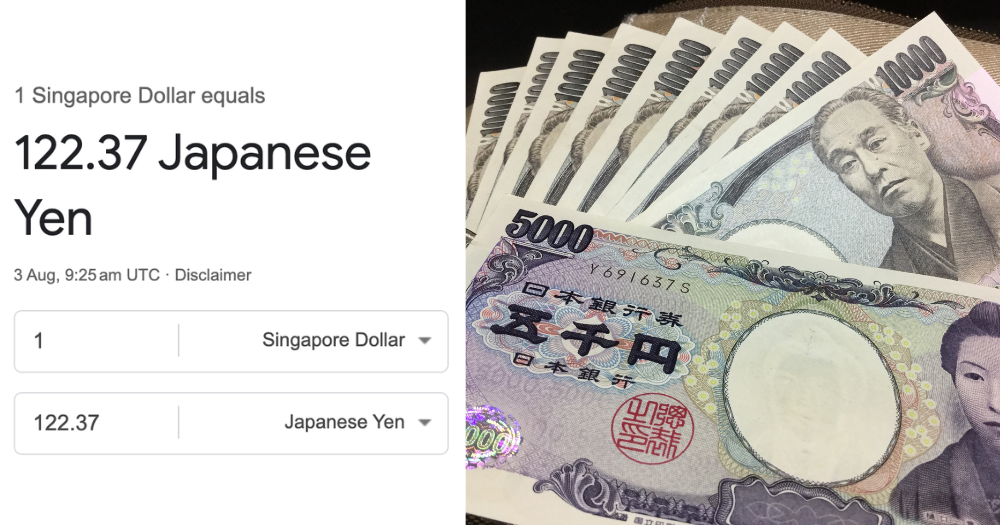
The US and Japan have intervened to support the yen, which had been weakening due to energy costs and low interest rates. The yen has risen against the Singapore dollar as a result.
Imagine you have a big jar of money, and the value of the money in the jar keeps going down. That's what happened to the Japanese yen. The US and Japan worked together to help the yen go back up, so it's now worth more.
Analysis
A $60B Vote of Confidence
The recent intervention by the US and Japan to prop up the yen is a significant development in the global economy. The joint action "countered excessive volatility and disorderly movements in the Japanese yen in recent months", according to Japan's Finance Minister Katayama Satsuki. The yen had been depreciating in 2026 due to increasing energy costs arising from the Middle East conflict, as Japan relies heavily on imported energy, and because of its relatively low interest rates. On Jun. 30, it hit a 40-year low against the U.S. dollar, and its weakest level against the Singapore dollar.
Why Cursor?
The US has interests in shoring up the yen because a weaker US dollar would make American exports more affordable for foreign consumers. According to CNN, the U.S. has committed to participating in further joint intervention to support the yen. Trump said on Aug. 2 that supporting the yen would be "good for the world economy", adding that the U.S. would benefit financially from the move.
The Road Ahead
The impact of this intervention on the global economy is still uncertain. However, it is clear that the US and Japan are committed to supporting the yen and stabilizing the global economy. The recent move is a significant development in the global economy and will have far-reaching consequences for the world economy.
Key points
- The US and Japan intervened to support the yen, which had been weakening due to energy costs and low interest rates.
- The yen has risen against the Singapore dollar as a result of the intervention.
- The US has interests in shoring up the yen because a weaker US dollar would make American exports more affordable for foreign consumers.
- The US and Japan have committed to participating in further joint intervention to support the yen.
If this intervention is successful, it could lead to a more stable global economy and a stronger yen. This could also make American exports more affordable for foreign consumers, which could boost the US economy.
However, if the intervention is not successful, it could lead to a further decline in the yen's value, which could have negative consequences for the global economy and the US economy.
Market signals
- Gold Escalation drives safe-haven demand for gold, per the article's framing of investor reaction.
AI-generated analysis of potential market relevance. Not financial advice.