'You could smell someone' who worked at Raleigh
The company owning Raleigh, a historic Nottingham bicycle manufacturer, has begun insolvency proceedings, potentially marking the end of a brand that once employed 8,000 people.
Intelligence analysis by Gemini 2.5 Flash
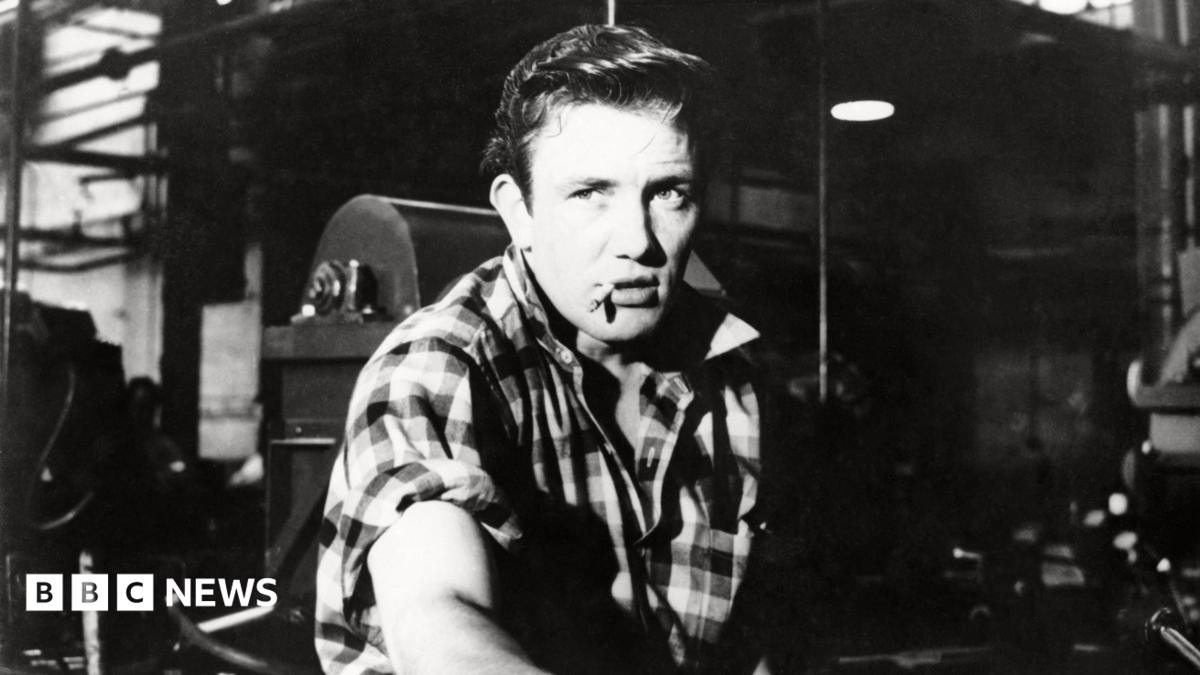
Raleigh, once one of Nottingham's largest employers, faces an uncertain future as its owner enters insolvency. The article shares personal stories from former employees and customers, highlighting the company's significant social impact, its role in the community, and the nostalgia associated with its bicycles.
Imagine a super old, famous bike factory in a town called Nottingham, where lots of people worked and even met their families. They made really strong bikes that lasted for ages, and everyone knew someone who worked there because you could even smell the grease and metal on them! Now, the company that owns this bike factory is having big money troubles, and it might mean no more Raleigh bikes, which makes many people sad because it's like a big piece of their town's history is disappearing.
Analysis
8,000 people
At its zenith, Raleigh was a colossal employer in Nottingham, rivaling giants like Boots and Players cigarettes, with a workforce of 8,000 people. This scale meant the company was not just a workplace but a central pillar of the community, fostering a vibrant social life and deep personal connections among its staff. Former employees like Mark Hallam and David Marsland recall a diverse, friendly atmosphere, complete with its own football league, underscoring the profound social fabric woven around the factory.
The sheer size of the Raleigh factory meant that staff often rode bikes between departments, a testament to its expansive operations. This era represented a time when large-scale manufacturing provided stable, community-centric employment, shaping the identity of Nottingham itself. The impending end of Raleigh, therefore, signifies more than just a business failure; it marks the loss of a significant piece of industrial heritage and a way of life for thousands of families.
Far East
The turning point for Raleigh, as recounted by long-serving employee David Marsland, arrived with the inability of its steel bicycles to compete with the lower prices of aluminum models from the Far East. This shift highlights a critical moment in global manufacturing, where cost efficiencies and material innovations in Asian markets began to challenge established Western industries. The planned new factory in Bulwell, intended to modernize operations, was ultimately binned due to these insurmountable competitive pressures.
This economic reality forced Raleigh into a cycle of redundancies, creating immense uncertainty for its workforce. The company's struggle to adapt to changing market dynamics and global supply chains illustrates a common narrative for many legacy manufacturers in the late 20th and early 21st centuries. The inability to pivot effectively from traditional production methods to more cost-effective or innovative approaches ultimately undermined its long-term viability.
50 years
The enduring quality and personal significance of Raleigh bicycles are vividly captured through the stories of its customers. Helen Crowder's account of her Raleigh bike lasting for nearly 50 years, carrying her through school, work, and even her three children, speaks volumes about the brand's craftsmanship and durability. This longevity fostered a deep sense of loyalty and nostalgia, making Raleigh bikes cherished family heirlooms rather than mere commodities.
Andrew Dutton's childhood memories of receiving Raleigh bikes for Christmas and riding them with his brother, regardless of the weather, further emphasize the brand's cultural impact. For many, a Raleigh bike was a rite of passage, a symbol of freedom and adventure. The sentiment that its potential demise marks "the end of an era" is a powerful reflection of how deeply Raleigh was embedded in the personal histories and collective memory of generations.
Key points
- The company owning Raleigh, a historic Nottingham bicycle manufacturer, has initiated insolvency proceedings.
- At its peak, Raleigh was one of Nottingham's largest employers, with 8,000 staff, fostering a strong community among workers.
- The company struggled to compete with cheaper aluminum bicycles from the Far East, leading to redundancies and a shift in its fortunes.
- Former employees and customers share nostalgic stories, highlighting the brand's quality, social impact, and cultural significance.
- The potential closure is widely seen as the 'end of an era' for Nottingham's industrial heritage.
The potential demise of Raleigh signifies a further erosion of the UK's traditional manufacturing base, leading to job losses and the disappearance of a brand deeply embedded in local and national identity. It reflects broader challenges faced by legacy industries in adapting to global competition and changing consumer demands, potentially signaling a future with fewer iconic domestic manufacturers.