Zaidi’s test in Tehran
Iraqi Prime Minister Ali al-Zaidi is facing a challenge in his efforts to recast Iraq as a bridge between the US and Iran, as attacks on the Kurdistan region continue despite his promises of a different path.
Intelligence analysis by Llama
Iraqi Prime Minister Ali al-Zaidi is facing a challenge in his efforts to recast Iraq as a bridge between the US and Iran, as attacks on the Kurdistan region continue despite his promises of a different path. His priorities include curbing corruption, expanding trade, and attracting foreign investment.
Imagine you're trying to build a bridge between two countries that don't get along. That's basically what Iraqi Prime Minister Ali al-Zaidi is trying to do. He wants to make Iraq a place where the US and Iran can work together, but it's not easy. There are a lot of people who don't want this to happen, and they're trying to stop him. It's like trying to build a bridge over a river, but the river is full of rocks and the water is moving really fast.
Analysis
A $60B Vote of Confidence
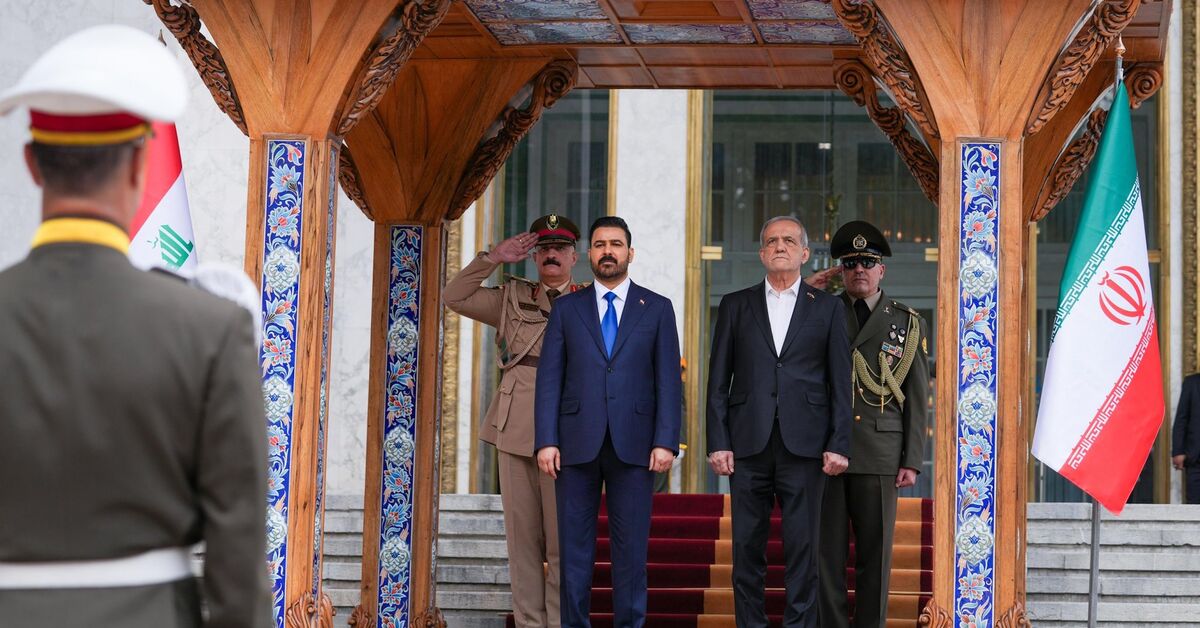
Iraqi Prime Minister Ali al-Zaidi is facing a challenge in his efforts to recast Iraq as a bridge between the US and Iran, as attacks on the Kurdistan region continue despite his promises of a different path. His priorities include curbing corruption, expanding trade, and attracting foreign investment. The timing of these attacks is hard to ignore, as they coincide with Zaidi's return from Tehran, where he met with Iranian President Masoud Pezeshkian. This meeting has raised concerns that Iran is not willing to give up its influence in Iraq, despite Zaidi's efforts to recast the country as a bridge between the US and Iran.
Why Cursor?
The success of Prime Minister Zaidi's efforts to recast Iraq as a bridge between the US and Iran has significant implications for regional stability and the global balance of power. If Zaidi is able to succeed in his efforts, it could lead to a significant reduction in tensions between the US and Iran, and potentially even lead to a new era of cooperation between the two countries. However, if Zaidi fails, it could lead to a significant increase in tensions between the US and Iran, and potentially even lead to a new era of conflict.
The Road Ahead
The road ahead for Prime Minister Zaidi is fraught with challenges. He will need to navigate the complex web of alliances and rivalries between the US, Iran, and other regional players in order to achieve his goals. He will also need to address the corruption and economic stagnation that have plagued Iraq for years. If he is able to succeed in these efforts, it could lead to a significant improvement in the lives of the Iraqi people, and potentially even lead to a new era of prosperity and stability for the country.
Key points
- Iraqi Prime Minister Ali al-Zaidi is facing a challenge in his efforts to recast Iraq as a bridge between the US and Iran.
- Attacks on the Kurdistan region continue despite Zaidi's promises of a different path.
- Zaidi's priorities include curbing corruption, expanding trade, and attracting foreign investment.
- The timing of these attacks is hard to ignore, as they coincide with Zaidi's return from Tehran, where he met with Iranian President Masoud Pezeshkian.
If Prime Minister Zaidi is able to succeed in his efforts to recast Iraq as a bridge between the US and Iran, it could lead to a significant reduction in tensions between the two countries, and potentially even lead to a new era of cooperation between them. This could have a positive impact on regional stability and the global balance of power.
If Prime Minister Zaidi fails in his efforts to recast Iraq as a bridge between the US and Iran, it could lead to a significant increase in tensions between the two countries, and potentially even lead to a new era of conflict. This could have a negative impact on regional stability and the global balance of power.