Zelensky has 'questions to answer' about corruption in his government, sacked minister tells BBC
Ukraine's sacked defence minister, Mykhailo Fedorov, claims President Zelensky has "questions to answer" regarding corruption within his government, following a recent money laundering investigation.
Intelligence analysis by Gemini 2.5 Flash
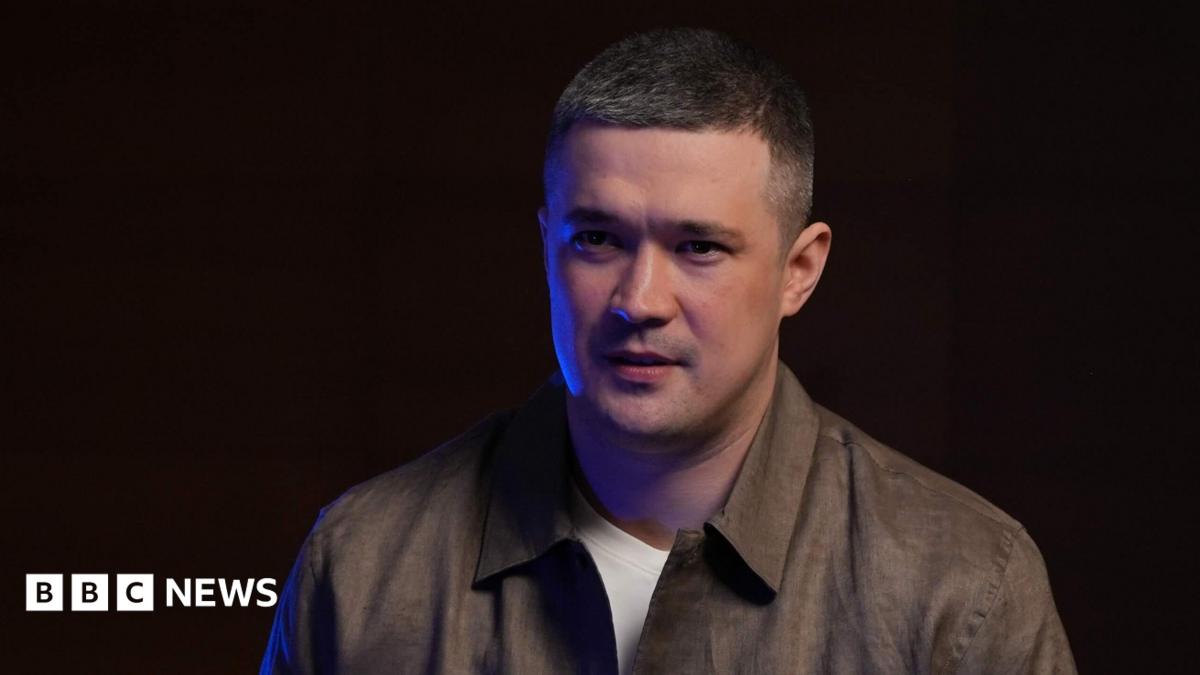
Mykhailo Fedorov, a popular former minister credited with modernising Ukraine's armed forces, was recently fired and has now publicly challenged President Zelensky over corruption allegations. Fedorov also reiterated his call for wartime elections, arguing that democracy should not be held hostage by the conflict, a stance opposed by Zelensky due to security risks and potential nation…
Imagine Ukraine is playing a very important game, and everyone needs to work together. But now, a coach who used to be in charge of the team's gear, Mykhailo, says the main captain, Zelensky, needs to explain some tricky things about money that went missing. Mykhailo also thinks it's time for the team to vote for a new captain, even during the game, because that's what fair teams do. But Captain Zelensky says it's too risky to vote right now because it could make the team argue and lose focus on winning the game.
Analysis
The public statements by Mykhailo Fedorov, Ukraine's recently dismissed defence minister, introduce a significant layer of political complexity and scrutiny to President Volodymyr Zelensky's administration. Fedorov, who was instrumental in modernising the armed forces and pioneering drone warfare, now positions himself as a vocal critic, particularly concerning issues of governmental transparency and accountability. His claims, made to the BBC, suggest that Zelensky must address questions about his awareness of potential corruption within his inner circle, a direct challenge to the president's leadership during a critical period of war.
Mykhailo Fedorov
Mykhailo Fedorov's transition from a highly regarded minister to a prominent critic underscores a potential fracturing within Ukraine's political elite. His sacking, reportedly due to a disagreement with the head of the armed forces, has not silenced him; instead, it appears to have emboldened his calls for greater democratic processes, including wartime elections. Fedorov argues that discussing elections is a "moral right" and essential for a functioning democracy, directly contrasting with Zelensky's view that such a vote would be too dangerous and divisive during the conflict. His upcoming visit to the United States, where he hopes to meet Elon Musk to discuss extending Starlink technology, indicates his continued influence and commitment to Ukraine's war effort, even outside of government.
Fedorov's public stance, including a video calling for political reform, has resonated with supporters who previously protested his dismissal. While he refrains from directly accusing Zelensky of personal corruption, his insistence that the president answer questions about his awareness of alleged schemes places significant pressure on the administration. This move could be interpreted as an attempt to maintain political relevance and advocate for reforms he believes are necessary for Ukraine's future, even if it creates internal friction.
Volodymyr Zelensky
President Volodymyr Zelensky faces a delicate balancing act, navigating a full-scale invasion while simultaneously confronting internal political challenges and corruption allegations. His dismissal of Fedorov, a popular figure, and his firm stance against wartime elections highlight the immense pressures on his leadership. Zelensky's argument that elections would be a "tsunami for the country that will split Ukraine" reflects legitimate concerns about logistical hurdles, security risks, and the potential for Russian disinformation to exploit internal divisions. The challenges of enabling soldiers, millions of refugees, and those in occupied territories to vote are indeed formidable.
However, Fedorov's public questioning of Zelensky's awareness of corruption, particularly after a senior official in Zelensky's office was sacked in connection with a money laundering scheme, puts the president in a difficult position. Zelensky's spokesperson's counter-argument, suggesting Fedorov's past government involvement makes his current criticism seem opportunistic, indicates the administration's defensive posture. The president's ability to address these corruption concerns transparently, while maintaining national unity and international confidence, will be crucial for Ukraine's long-term stability and its image as a democratic nation.
Money Laundering
The recent money laundering investigation, which uncovered a scheme to misappropriate over $3 million to pay bail for a former energy minister, serves as the immediate catalyst for Fedorov's renewed calls for accountability. The fact that a senior official in Zelensky's office was implicated and subsequently sacked underscores the seriousness of the allegations and their proximity to the highest levels of government. This incident provides concrete evidence for Fedorov's assertion that corruption remains a significant issue, potentially affecting Ukraine's frontline capacity, as he claimed to have rooted out elements of corruption from defence procurement during his tenure.
Such investigations, even if pursued by anti-corruption bodies, inevitably raise questions about systemic issues and the extent of awareness among top leadership. For international partners providing substantial financial and military aid, these corruption scandals are particularly sensitive, as they can undermine trust and support. The ongoing fight against corruption is not merely an internal matter but a critical component of Ukraine's broader struggle for sovereignty and its aspirations for integration with Western democratic institutions. The outcome of these investigations and the government's response will be closely watched by both domestic and international observers.
Key points
- Sacked Ukrainian defence minister Mykhailo Fedorov claims President Zelensky has "questions to answer" about corruption in his government.
- Fedorov, a popular figure credited with modernising the armed forces, was fired last month and has since called for wartime elections.
- A recent money laundering investigation uncovered a scheme to misappropriate over $3 million, leading to the sacking of a senior official in Zelensky's office.
- Zelensky opposes wartime elections, citing security risks and the potential for national division, while Fedorov argues it's essential for democracy.
- Fedorov plans to visit the United States to meet Elon Musk, aiming to extend Starlink technology for Ukrainian strikes into Russian airspace.
The public debate initiated by Fedorov could lead to increased transparency and accountability within the Ukrainian government, strengthening democratic institutions even during wartime. This scrutiny might reassure international partners that aid is being used effectively and that Ukraine is committed to combating corruption.
The public accusations and calls for elections could create significant internal political division, distracting the government from the war effort against Russia. Such infighting might also undermine international confidence and support for Ukraine, potentially weakening its position on the global stage.