100 Days of War: 10 Key Turning Points in the Confrontation Between the United States, Israel, and Iran
BBC Persian reviews the first 100 days of war between Iran, the U.S. and Israel, from the opening strikes to leadership change and regional escalation.
Intelligence analysis by GPT-5.4 Mini
The report frames the war as a rapid collapse of Iran’s top power structure, followed by strikes on civilians, energy routes, and military targets across the region. It presents the conflict as both a domestic political shock and a wider Middle East crisis.
The article says a war started fast and hit Iran’s leaders, soldiers, roads, and even a school. It was like someone knocked over the main pieces in a game of Jenga, and then the whole game spread into nearby countries too.
Analysis
Early shocks
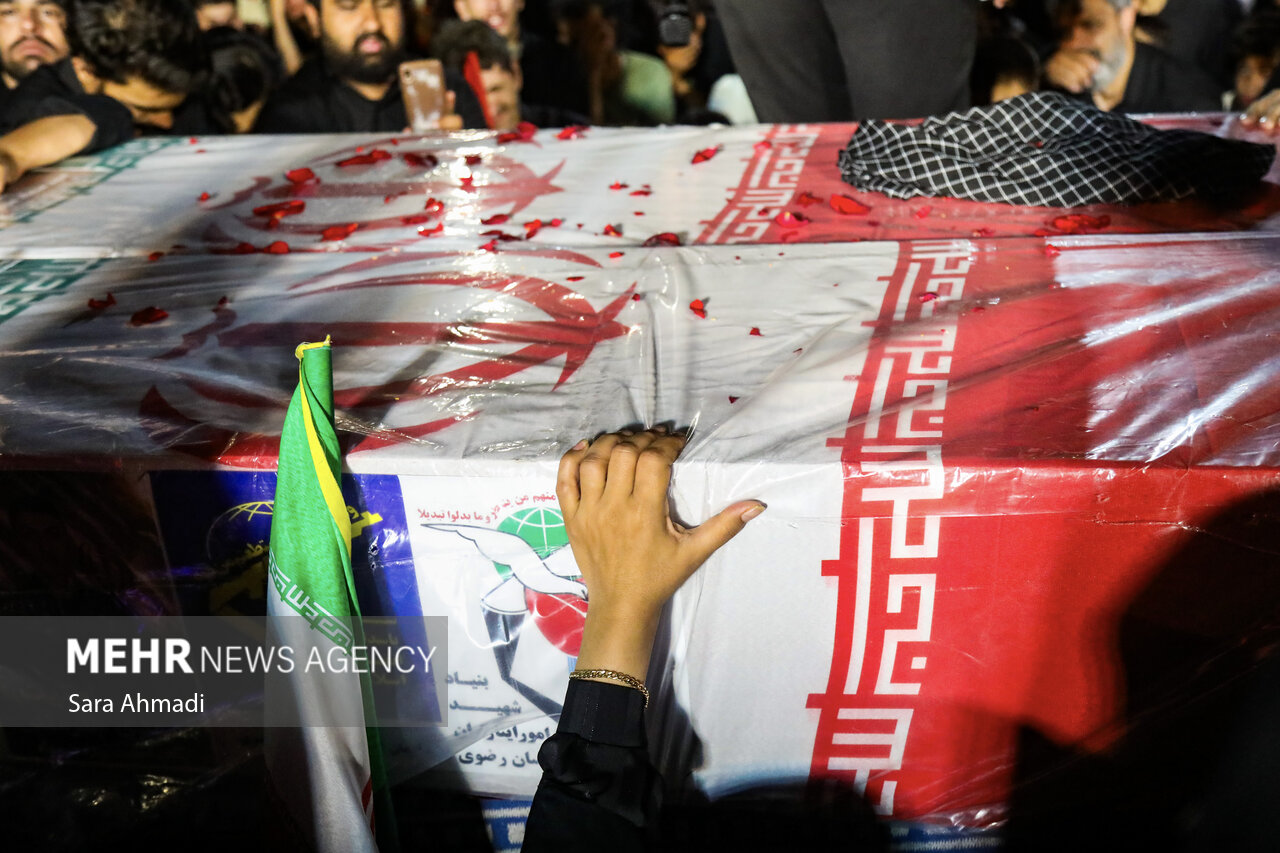
BBC Persian says the war began on February 28, 2026, when the United States and Israel launched large-scale strikes on Iranian military, security, and political sites. One of the first targets was the Pasteur complex in Tehran, where Ali Khamenei was present. The report says state television confirmed his death about 20 hours later, along with the deaths of several senior commanders, including Ali Shamkhani, Abdulrahim Mousavi, Mohammad Pakpour, and Defense Minister Aziz Nasirzadeh.
Civilian and regional impact
The article also highlights a strike on an elementary school in Minab, Hormozgan province, which it says killed 156 people, most of them children aged 7 to 12. BBC Persian says the attack drew criticism inside the United States and international reaction. In the same early period, Iran sharply restricted passage through the Strait of Hormuz, turning the war into an energy shock that pushed up oil prices, raised shipping insurance costs, and intensified fears over Gulf navigation.
A wider war
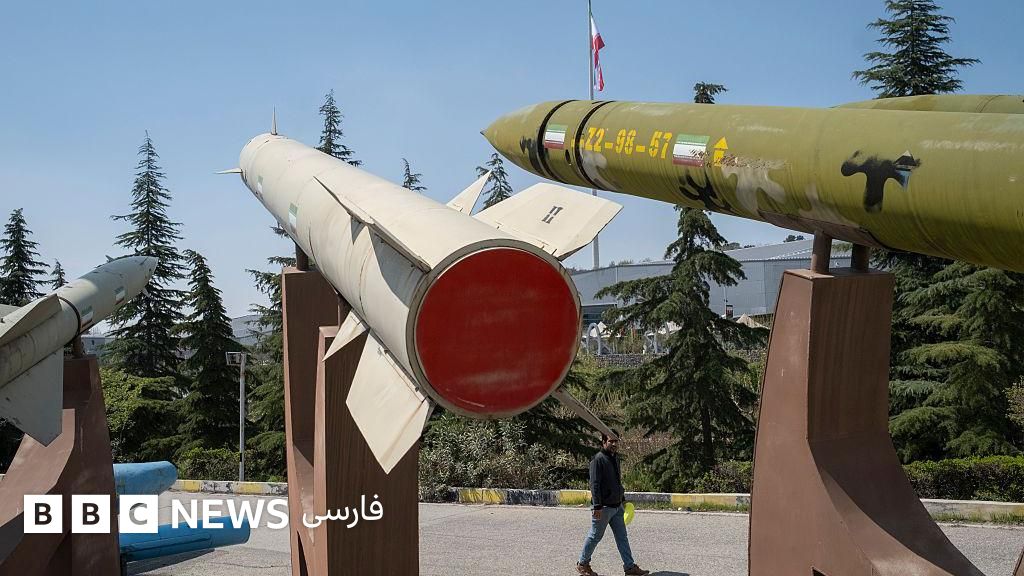
BBC Persian says Iran responded with missile and drone attacks on Israel and on sites in several Arab countries, while the U.S. and Israel continued strikes inside Iran on military, missile, naval, and security targets. The report says 20 U.S. bases or bases hosting U.S. troops across eight countries were hit during the 40-day war, though the full number of damaged sites may be higher.
Political succession
The report treats the appointment of Mojtaba Khamenei as the new leader of the Islamic Republic on March 8 as a major political turning point. It also says Ali Larijani, a senior political figure and head of the Supreme National Security Council, was killed on March 17, narrowing the space for more pragmatic voices. Later, on April 2, the U.S. struck the B1 bridge in Karaj, which BBC Persian describes as a symbolic attack on civilian infrastructure and says Donald Trump warned more was coming.
Key points
- BBC Persian says the war began with coordinated U.S. and Israeli strikes on Iranian leadership and military targets on February 28, 2026.
- The report says Ali Khamenei died after the opening attacks, along with several top commanders and the defense minister.
- Iran’s restrictions on the Strait of Hormuz turned the conflict into a global energy and shipping crisis.
- The article says Iran struck U.S. bases and targets in several Gulf and regional countries, while U.S. and Israeli strikes continued inside Iran.
- BBC Persian frames Mojtaba Khamenei’s selection as a key political turning point in the war.
- The report says civilian infrastructure, including a school in Minab and a bridge in Karaj, was also hit.
If the report’s broader trajectory holds, the pressure could force a political settlement that reopens the Strait of Hormuz and reduces the energy shock. A clear leadership structure under Mojtaba Khamenei could also give the government a single chain of command during the crisis.
The article shows a war that keeps widening, with attacks on bases, civilian sites, and infrastructure across the region. If the Strait of Hormuz stays constrained and retaliatory strikes continue, the conflict could deepen economic damage and make de-escalation harder.