100 Murder Cases Transferred From UP Judge Who Sentenced 22 to Death
A judge in Muzaffarnagar, Uttar Pradesh, known for handing down death sentences, has had over 100 murder cases transferred from his court.
Intelligence analysis by Gemini 2.5 Flash Lite
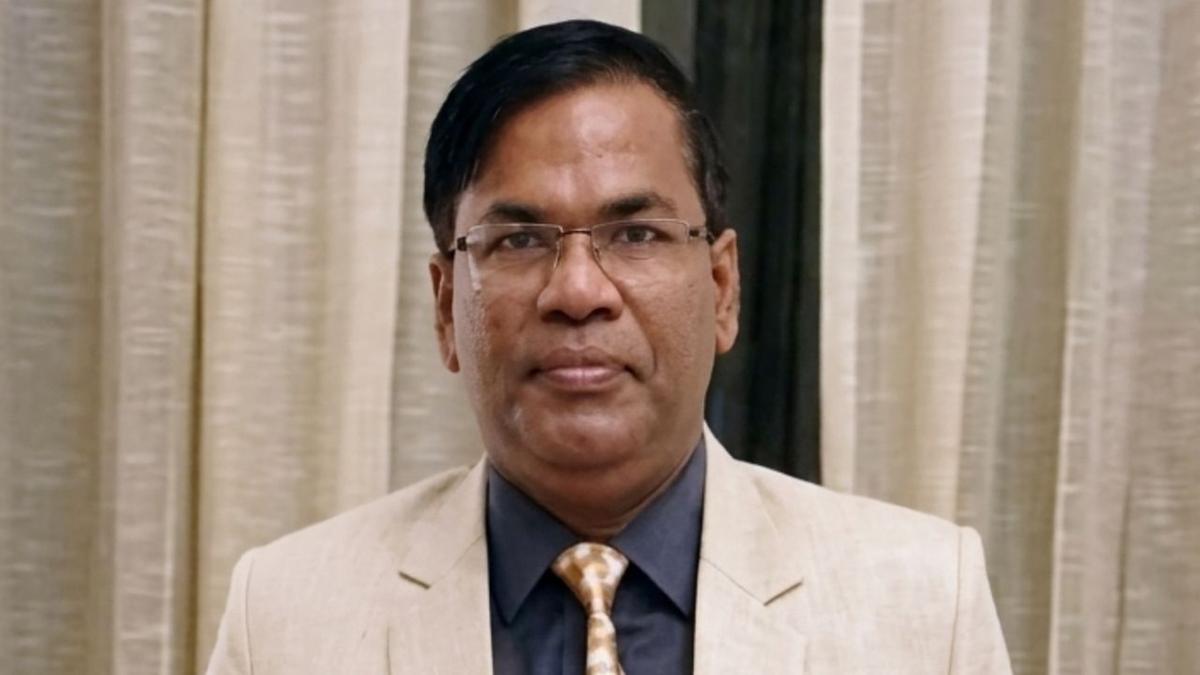
Additional District and Sessions Judge Ravi Kumar Diwakar, who has sentenced 22 people to death in 10 cases over the past four months, has had approximately 100 serious criminal cases moved to another court. This transfer has reportedly caused concern among lawyers and clients about the potential for death sentences in these cases.
Imagine a judge who is very strict and has given the death penalty to many people recently. Because he's been so strict and has so many serious cases, officials decided to move about 100 of his tough cases to another judge. This is like moving a big pile of difficult homework to a different teacher to make sure everything gets handled fairly and on time.
Analysis
Ravi Kumar Diwakar
Additional District and Sessions Judge Ravi Kumar Diwakar, serving in Muzaffarnagar, Uttar Pradesh, has garnered significant attention for his stringent judgments, particularly in murder cases. Over a period of just four months, Diwakar has presided over ten cases, resulting in the sentencing of 22 individuals to death. This high rate of capital punishment has led to a notable development: the transfer of approximately 100 other serious criminal cases, including those carrying potential death sentences or life imprisonment, from his court to that of District and Sessions Judge Virendra Kumar Singh. This move, reported by PTI citing a government lawyer, has reportedly created apprehension among legal practitioners and the accused, who fear a similar severity of judgment in the cases now being reassigned.
Diwakar's judicial career has seen him handle high-profile matters previously. In 2022, he was in the news for ordering a videography survey of the Gyanvapi complex in Varanasi. A 46-year-old native of Lucknow, he began his judicial service in 2009 as an Additional Civil Judge in Azamgarh. His career progression includes promotions to Civil Judge in Sultanpur in May 2015 and then to Judicial Magistrate five months later. Holding degrees in B.Com and LL.M., Diwakar has been serving as the Additional District and Sessions Judge in Muzaffarnagar since November 2025. The article details several of his recent death sentences, including four individuals for a 2014 murder, one for a 1999 kidnapping and murder for ransom, four for a 2011 farmer murder during a robbery attempt, and a former village head and an accomplice for a 2010 murder linked to election enmity. Other cases include the sentencing of a man for the murder of a home guard on duty, two individuals for a murder deemed 'rarest of rare,' and a 50-year-old for a 15-year-old double murder case, also classified as 'rarest of rare.'
100 Cases
The transfer of around 100 murder cases from Judge Diwakar's court is a significant event that underscores the intensity of his caseload and the nature of the judgments he has been delivering. These cases are described as involving offenses that could lead to death sentences or life imprisonment, indicating their gravity. The District Bar Association President, Pramod Tyagi, stated that lawyers and clients harbored concerns about the likelihood of death sentences if these 100 cases remained with Diwakar. This sentiment highlights a perception of the judge's consistent inclination towards the harshest possible punishment for severe crimes. The reassignment to Judge Virendra Kumar Singh's court suggests a strategic move to manage the judicial workload and perhaps to alleviate the pressure or perceived bias associated with one judge handling such a high volume of capital offense cases.
The article provides specific examples of the cases where Diwakar has handed down death sentences in the recent past. These include a 12-year-old murder case where four people were sentenced, a 27-year-old case of kidnapping and murder for ransom resulting in one death sentence, a 2011 farmer murder case with four death sentences, and a 2010 murder case leading to the sentencing of a former village head and his associate. The judge has also handed down death sentences for the murder of a home guard on duty, a double murder case from 15 years prior, and another murder case from 2019. Several of these cases were explicitly categorized by the court as 'rarest of rare,' a legal classification in India that justifies the imposition of the death penalty. The sheer volume and severity of these recent judgments likely contributed to the decision to transfer the remaining 100 cases.
Key points
- Judge Ravi Kumar Diwakar in Muzaffarnagar, UP, has had over 100 murder cases transferred from his court.
- Diwakar has sentenced 22 people to death in 10 cases within the last four months.
- The transferred cases involve offenses punishable by death or life imprisonment.
- The move has reportedly caused concern among lawyers and clients about potential death sentences.
- Judge Diwakar previously ordered a videography survey of the Gyanvapi complex in Varanasi.
The transfer of cases could lead to a more balanced distribution of judicial workload, potentially allowing for more thorough examination of each case. It might also alleviate concerns among defendants and legal counsel regarding the perceived severity of one judge's sentencing patterns.
The reassignment of such a large number of serious cases could lead to delays in the judicial process. Furthermore, if the new judge also tends towards severe sentencing, the underlying concerns about capital punishment in these cases may persist.