1963 Uprising: A Turning Point in Iran's Contemporary History
Mehr marks the 62nd anniversary of the 15 Khordad uprising, portraying it as the starting point of the path to Iran's 1979 Islamic Revolution.
Intelligence analysis by GPT-5.4 Mini

The article frames the June 5, 1963 uprising as a decisive rupture in modern Iranian history. It says the arrest of Ruhollah Khomeini triggered nationwide protests, a harsh crackdown, and a political shift that later fed into the Islamic Revolution.
The article says a protest in 1963 was like the first domino in a long row. When a religious leader was arrested, many people rose up, and that moment later helped set the stage for Iran’s 1979 revolution.
Analysis
What the article says
Mehr News presents the 15 Khordad uprising as a foundational moment in Iran’s modern political story. It says the unrest was not an isolated event, but the result of mounting anger over the Pahlavi monarchy’s authoritarian rule, Western orientation, and hostility toward religious institutions.
How it unfolded
According to the article, the flashpoint came after Ruhollah Khomeini delivered a major speech on Ashura in early June 1963, denouncing the Shah’s policies and comparing him to an infamous historical tyrant. Two days later, security forces arrested him in Qom. The arrest sparked protests in several cities, including Tehran, Qom, Shiraz, Mashhad, and Varamin. The article says the crowds included bazaar merchants, students, clerics, villagers, and other ordinary citizens.
The crackdown and legacy
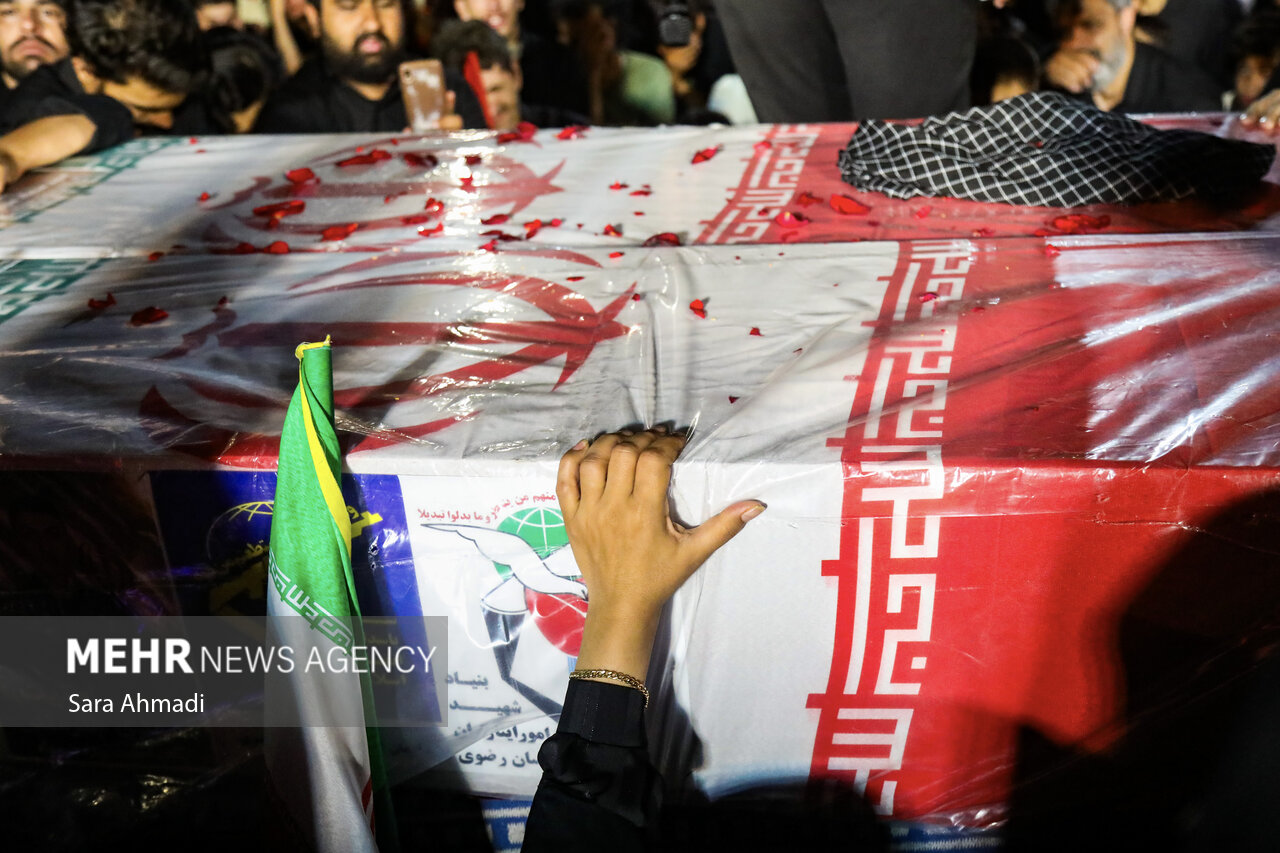
The regime’s response was described as violent: troops and police fired on demonstrators, tanks appeared in Tehran, and many people were killed, wounded, or arrested. Mehr says the exact death toll is still uncertain, but the uprising ended in bloodshed and repression.
The article’s central claim is that the crackdown did not end the movement. Instead, it turned Khomeini into the symbol of resistance and gave religiously led politics a mass base. In the article’s framing, 15 Khordad was the moment when Islam and revolution joined in the public mind, helping lay the groundwork for the 1979 Islamic Revolution.
The piece is written as a commemoration as much as a report: it says the day is still used by officials and scholars to stress independence, dignity, Islamic governance, and resistance to tyranny.
Key points
- The article marks the 62nd anniversary of the 15 Khordad uprising on June 5, 1963.
- It says the protests followed the arrest of Ruhollah Khomeini after his criticism of the Shah’s policies.
- The article describes demonstrations in several cities and a violent state crackdown.
- Mehr frames the uprising as a turning point that helped prepare the way for the 1979 Islamic Revolution.
- The piece presents the event as a lasting symbol of resistance, sovereignty, and Islamic identity.
If the article’s memory of 15 Khordad continues to unify supporters, it can reinforce a shared political story around independence, sacrifice, and religious identity. The annual commemorations may also keep the historical lesson alive for younger generations.
The same framing can deepen a hard-line political identity that leaves little room for compromise or pluralism. Because the article centers on confrontation and martyrdom, it may also keep historical grievances and anti-foreign sentiment politically active.