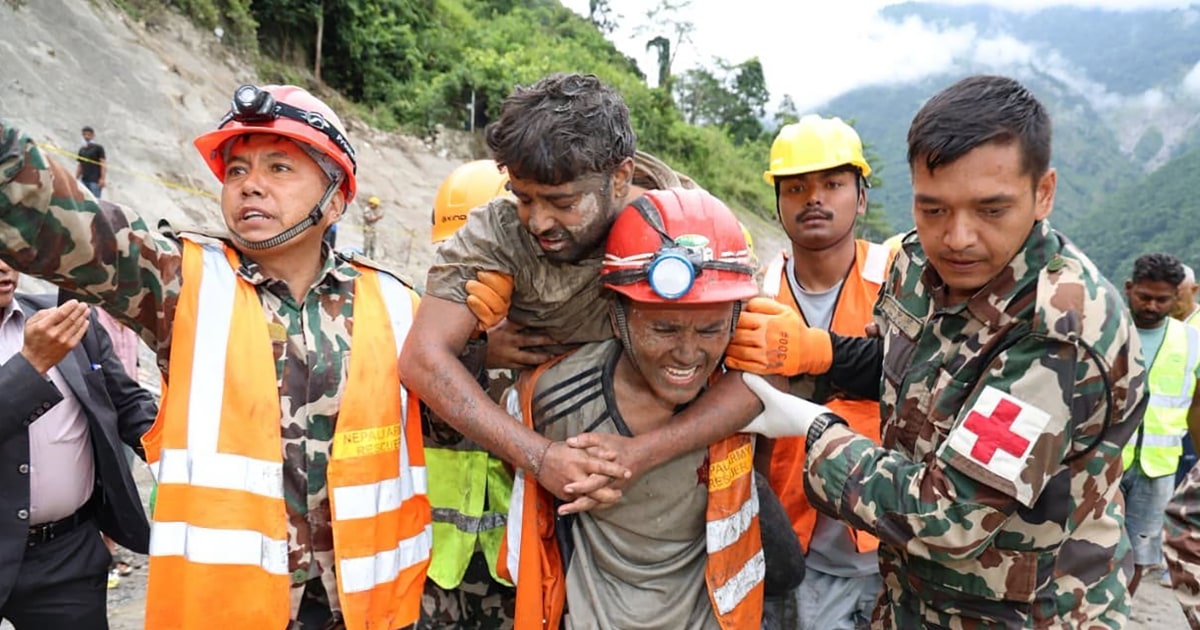
2 trapped Nepal hydropower tunnel workers rescued 9 days after floods
Rescuers in Nepal have pulled two workers alive from a hydropower tunnel nine days after devastating floods. Officials are hopeful more survivors may be found.
Intelligence analysis by Gemini 2.5 Flash Lite
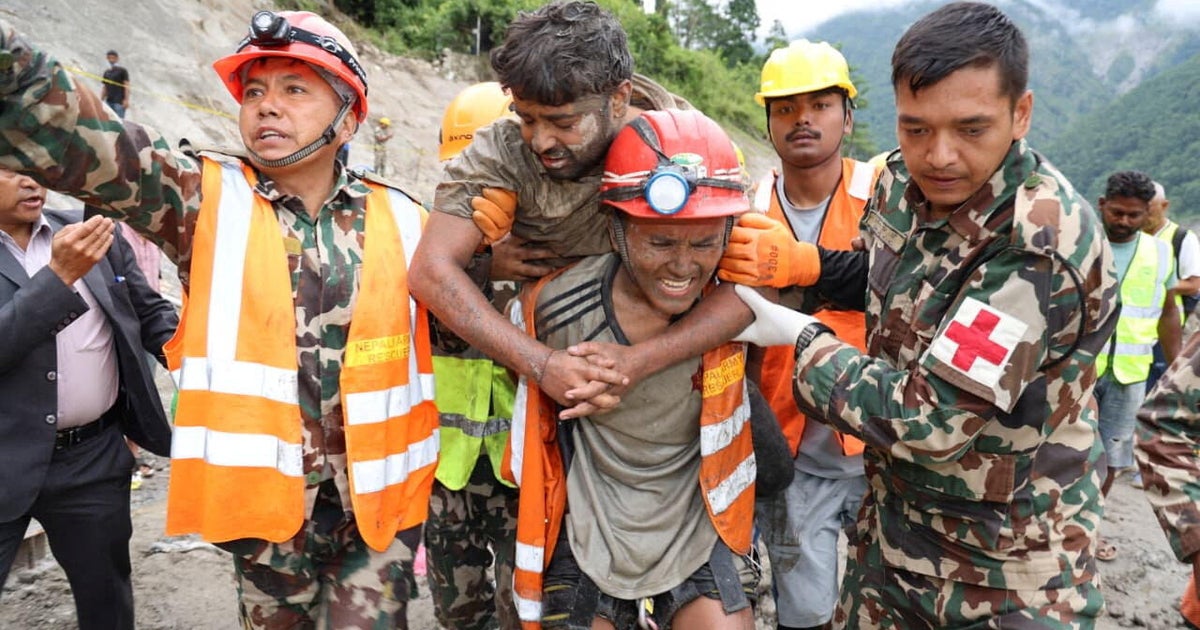
The rescue of two workers from the Trishuli 3A hydropower tunnel in Nepal, nine days after floods, has brought renewed hope for potentially dozens more trapped individuals. Rescuers heard voices from deep within the tunnel system, indicating that more people may be alive and awaiting rescue.
Imagine a giant underground maze where workers were building a big water-powered electricity station. When a huge flood hit, the maze flooded, and many workers got stuck. After nine long days, rescuers found two workers alive, giving everyone hope that more might be found safe in the dark tunnels.
Analysis
Trishuli 3A Hydropower Project
The Trishuli 3A hydropower project in Nepal has become the focal point of a dramatic rescue operation following devastating floods on August 26th. The floods, believed to be caused by a glacier collapse, inundated towns and swept away villages along the Trishuli River. Within the project's extensive tunnel system, which comprises a complex network of rooms and chambers, approximately 115 workers are thought to be trapped, according to the Independent Power Producers Association of Nepal. This incident underscores the inherent risks associated with large-scale infrastructure development in geologically sensitive areas, particularly in the Himalayas, where extreme weather events pose a constant threat.
Sanjay Shah and Kabir Maharjan
The successful rescue of mechanical foreman Sanjay Shah and mechanical supervisor Kabir Maharjan on Friday, nine days after the initial disaster, has ignited hope for the recovery of other trapped individuals. Both men were found to be in stable condition and were transported to a hospital in Kathmandu for further care. Their families expressed immense relief and gratitude, with Kabir Maharjan's wife recounting the agonizing ten days of not being able to eat or drink properly due to fear. The survival of these two workers, despite the prolonged period of entrapment, suggests a potential for others to have endured similar conditions, fueling the urgency of the ongoing rescue efforts.
Missing Workers and Broader Impact
The scale of the disaster extends beyond the Trishuli 3A project, with around 900 workers missing from 12 hydropower projects in Nepal, and an estimated 500 trapped in tunnels. Nationally, the floods have claimed at least 1,287 lives, with over 5,000 people still missing. The disaster also had cross-border implications, with China reporting 21 deaths and 541 missing on its side of the Tibet border. The situation highlights the vulnerability of communities and infrastructure to climate-related events and the complex, multi-agency coordination required for effective disaster response and recovery.
Key points
- Two workers were rescued alive from a Nepal hydropower tunnel nine days after devastating floods.
- The rescue operation is ongoing, with hopes of finding more survivors as voices were heard from deeper within the tunnels.
- At least 557 workers are missing from the Trishuli 3A hydropower project, with about 115 believed trapped in its tunnels.
- The floods, likely caused by a glacier collapse, have killed at least 1,287 people nationally and left thousands missing.
- The incident highlights the risks of infrastructure projects in disaster-prone regions and the challenges of rescue operations.
The successful rescue of two workers after nine days provides a significant morale boost and validates the ongoing rescue efforts. It suggests that survival is possible even under extreme conditions, potentially leading to the recovery of more individuals trapped in the tunnel system. This outcome could also spur improvements in safety protocols and emergency response for future infrastructure projects in similar environments.
Despite the successful rescues, the sheer number of missing workers and the complex, potentially unstable nature of the tunnel system present immense challenges. The clock is ticking for those still trapped, and the risk of further collapses or lack of air and resources remains high, casting a shadow over the hope for more survivors.