20 sailors kidnapped by Somali pirates near Yemen on US-sanctioned ship
Somali pirates hijacked the Eritrean-flagged oil products tanker M.T. Sibu 1 off Yemen, kidnapping 20 crew members. The vessel was previously sanctioned by the US for allegedly being part of an Iranian 'shadow fleet'.
Intelligence analysis by Gemini 2.5 Flash
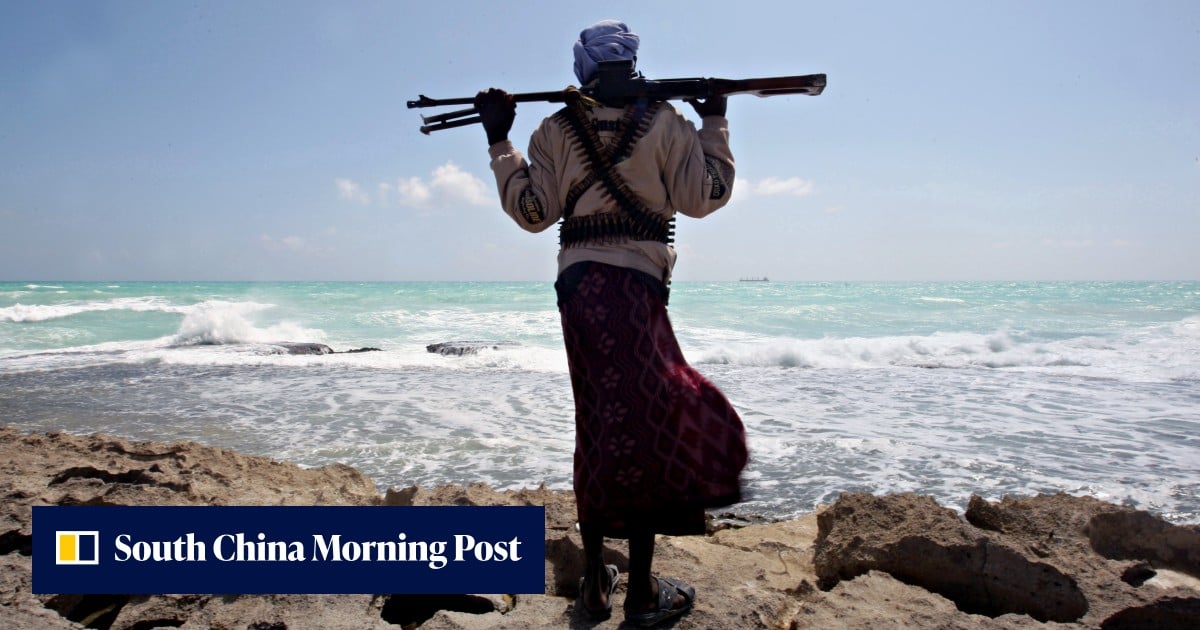
A tanker carrying 20 sailors, including 16 Indians, was seized by Somali pirates near Yemen, marking the sixth commercial vessel hijacking in the region since April. The M.T. Sibu 1 is notable for being under US sanctions due to its alleged ties to an Iranian 'shadow fleet' involved in evading petroleum sanctions.
Imagine a big ship carrying oil gets taken over by bad guys called pirates near a country called Yemen. These pirates grabbed 20 sailors, like a school bus full of kids, and took their ship. What's extra tricky is that this ship was already in trouble with America because it was secretly helping another country, Iran, move oil when it wasn't supposed to. Now, lots of ships are getting taken by pirates in this important ocean area, making it harder and more dangerous for goods to travel around the world.
Analysis
The recent hijacking of the M.T. Sibu 1 by Somali pirates represents a significant escalation in maritime security threats within a crucial global waterway. This event is not isolated, occurring amidst a broader resurgence of piracy that has seen multiple commercial vessels seized in the Gulf of Aden and western Indian Ocean since April. The incident underscores the persistent challenges faced by international efforts to maintain safe passage for commercial shipping, impacting global trade and supply chain stability.
M.T. Sibu 1
The Eritrean-flagged M.T. Sibu 1, an oil products tanker, was hijacked by six armed pirates approximately 136 nautical miles east of al-Mukalla, Yemen. The vessel was subsequently directed towards Somalia's Puntland coast, a known haven for pirate operations. Aboard the tanker were 20 crew members, comprising 16 Indian nationals, one Syrian, one Sudanese, and one Iraqi, with the nationality of one individual remaining unknown.
Adding a layer of geopolitical complexity, the Sibu 1 had been sanctioned by the US Treasury Department in the preceding year. These sanctions were imposed due to allegations that the tanker belonged to an Iranian 'shadow fleet,' purportedly used to transport petroleum products in an effort to circumvent existing US sanctions. This detail suggests potential implications for international sanctions enforcement and the broader dynamics of illicit trade routes.
Gulf of Aden
The hijacking occurred in the vicinity of the Gulf of Aden, a strategically vital maritime corridor connecting the Red Sea to the Arabian Sea and the Indian Ocean. This waterway is a choke point for global shipping, essential for the transit of oil, gas, and other goods between Asia, Europe, and Africa. The resurgence of piracy in this area, with six commercial vessels seized since April 21, indicates a deteriorating security environment.
Previous hijackings include the Palau-flagged tanker Honor 25, the Sward, the Eureka, the Asana, and the Cameroon-flagged general cargo vessel Lutuf, which was seized just three days prior to the Sibu 1 incident. This pattern of attacks suggests a more organized and emboldened pirate presence, posing increased risks to all commercial shipping traversing these waters and potentially leading to higher insurance premiums and rerouting costs.
Puntland coast
Following its seizure, the M.T. Sibu 1 was reportedly taken towards Somalia's Puntland coast. This region has historically been a stronghold for Somali pirate groups, offering remote areas for holding hijacked vessels and their crews for ransom. The ability of pirates to operate with apparent impunity in these coastal waters complicates rescue efforts and highlights the need for sustained international maritime patrols and local governance improvements.
The destination of the hijacked vessel underscores the operational challenges faced by naval forces attempting to counter piracy. The vastness of the western Indian Ocean and the complex political landscape of Somalia provide opportunities for pirate groups to evade detection and secure their captives. The safe return of the 20 kidnapped sailors will depend on intricate negotiations, often involving international mediators and significant financial demands.
Key points
- Somali pirates hijacked the Eritrean-flagged oil products tanker M.T. Sibu 1 off Yemen.
- Twenty sailors were kidnapped, including 16 Indian nationals.
- The M.T. Sibu 1 was sanctioned by the US Treasury Department for allegedly belonging to an Iranian 'shadow fleet' evading sanctions.
- This is the sixth commercial vessel seized by Somali pirates in the Gulf of Aden and western Indian Ocean since April.
- The hijacked vessel was taken towards Somalia's Puntland coast, a known pirate stronghold.
The resurgence of Somali piracy, particularly involving a US-sanctioned vessel, could lead to increased shipping costs, higher insurance premiums, and potential disruptions to global supply chains. This trend also poses significant risks to the lives of seafarers and challenges international efforts to enforce sanctions and maintain maritime security.