24h-Supermarkt im Nordwesten von Brandenburg: Ich will daran glauben
A new 24-hour supermarket in the northwest of Brandenburg, called Tante Enso, has been opened with the help of local residents who have invested in the project. The supermarket is run by a cooperative and is open around the clock, with customers using a chip card to acces…
Intelligence analysis by Llama
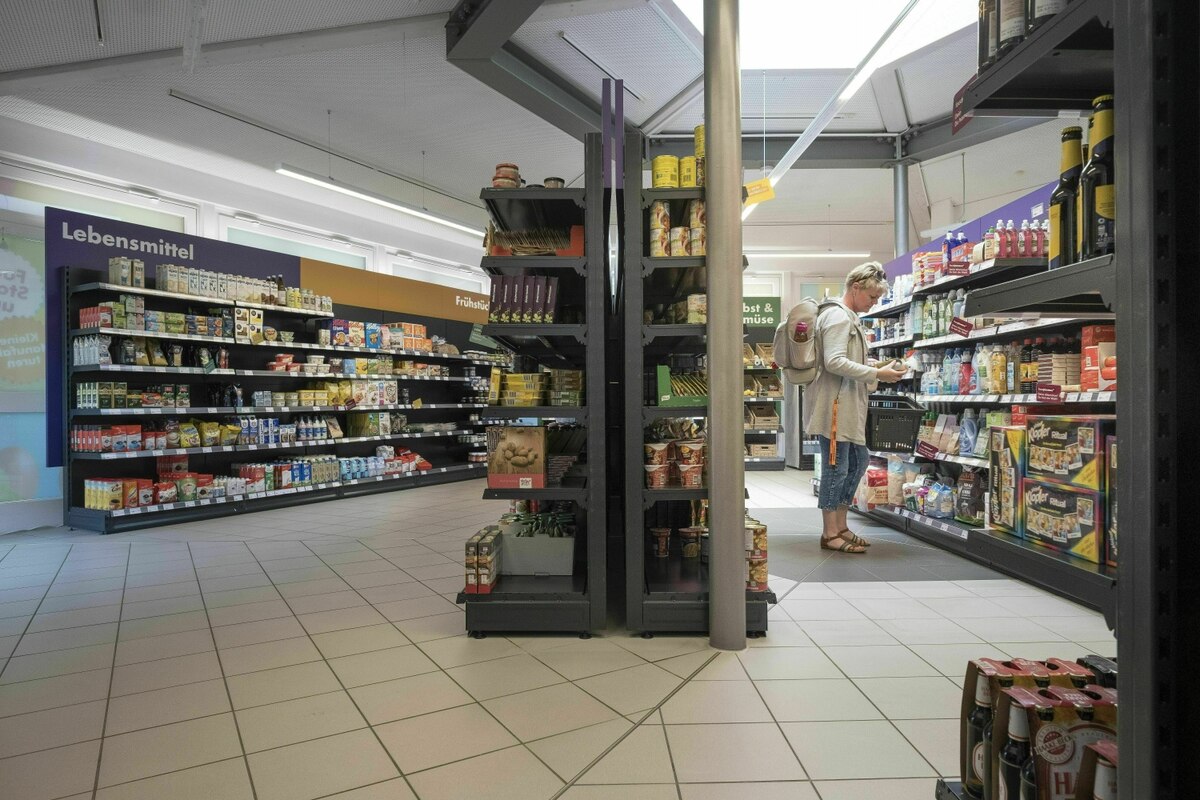
Tante Enso, a 24-hour supermarket in the northwest of Brandenburg, has been opened with the help of local residents who have invested in the project. The supermarket is run by a cooperative and is open around the clock, with customers using a chip card to access the store.
Imagine a supermarket that's open 24 hours a day, where customers can use a special card to shop. This is called Tante Enso, and it's a new way of doing things in the northwest of Brandenburg. Local residents came together to create this store, and it's a great example of how communities can work together to create something valuable.
Analysis
A New Model for Community-Led Initiatives
Tante Enso is a 24-hour supermarket in the northwest of Brandenburg that has been opened with the help of local residents who have invested in the project. This cooperative model is a new approach to community-led initiatives, where local residents come together to create a business that serves the needs of the community. The supermarket is open around the clock, with customers using a chip card to access the store. This model has the potential to address social and economic challenges in the community, such as access to food and employment opportunities.
The Importance of Cooperative Ownership
The cooperative model used by Tante Enso is significant because it allows local residents to have a say in the decision-making process and to benefit from the profits of the business. This approach is in contrast to traditional business models, where ownership is concentrated in the hands of a few individuals. Cooperative ownership can help to promote social and economic justice, by giving local residents a greater stake in the businesses that serve their community.
Challenges and Opportunities
While Tante Enso is a promising example of community-led initiatives, it also faces challenges and opportunities. One of the main challenges is the need to balance the needs of the community with the need to make a profit. This can be a difficult balancing act, particularly in a competitive market. However, the cooperative model used by Tante Enso has the potential to address this challenge, by giving local residents a say in the decision-making process and by ensuring that profits are reinvested in the community.
Key points
- Tante Enso is a 24-hour supermarket in the northwest of Brandenburg that is run by a cooperative.
- The store is open around the clock, with customers using a chip card to access the store.
- The cooperative model used by Tante Enso allows local residents to have a say in the decision-making process and to benefit from the profits of the business.
- The store faces challenges and opportunities, including the need to balance the needs of the community with the need to make a profit.
If Tante Enso continues to grow and thrive, it could become a model for other community-led initiatives in the region. This could lead to more jobs, more access to food, and a stronger sense of community. Additionally, the cooperative model used by Tante Enso could inspire other businesses to adopt similar approaches, leading to a more equitable and just economy.
However, there are also risks associated with Tante Enso. For example, the store may struggle to make a profit, particularly if it faces competition from larger supermarkets. Additionally, there may be concerns about the impact of the store on the local environment and community. If these risks are not managed effectively, they could undermine the success of Tante Enso and the community-led initiatives that it represents.