25 states sue FEMA and DHS, accusing Trump administration of withholding funding
A coalition of 25 states and the District of Columbia is suing the Federal Emergency Management Agency and the Department of Homeland Security, accusing the Trump administration of withholding hundreds of millions of dollars in disaster-preparedness and homeland security …
Intelligence analysis by Llama
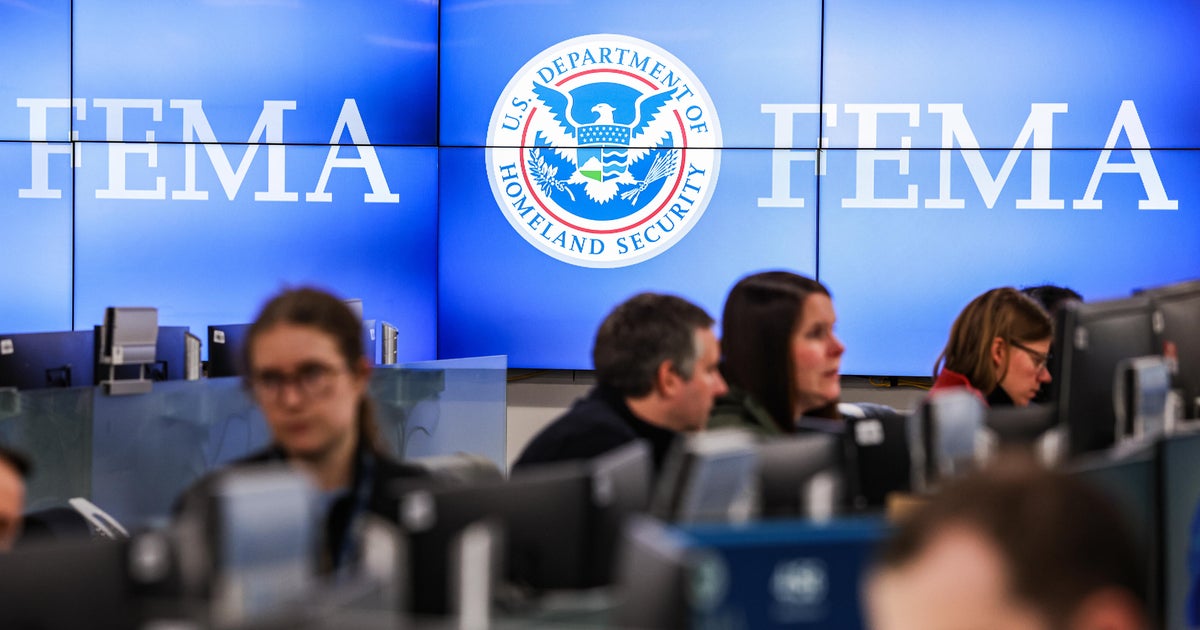
A group of 25 states and the District of Columbia is suing FEMA and DHS, accusing the Trump administration of withholding funding to force states to adopt its policies on elections and immigration.
A group of 25 states and the District of Columbia is suing the Trump administration because it's trying to use money meant for disaster preparedness and homeland security to force states to adopt its policies on elections and immigration. This is like a bully trying to use its money to get what it wants, and it's not fair.
Analysis
A $60B Vote of Confidence
The Trump administration's decision to withhold funding from states that do not comply with its policies on elections and immigration has sparked a lawsuit from a coalition of 25 states and the District of Columbia. The lawsuit alleges that the Trump administration is using the funds as leverage to force states to adopt its policies, which is a clear overreach of executive power. The states argue that the funding was allocated by Congress for disaster-preparedness and homeland security purposes, and that the executive branch has no authority to redirect the spending. This is a classic case of the executive branch trying to exert too much control over the states, and it is a threat to the integrity of American democracy. The lawsuit also challenges the language that would permit FEMA to cancel grants that no longer align with the administration's changing priorities or view of the 'national interest.' This would give the executive branch a way to redirect spending approved by Congress, which is a clear abuse of power. The states argue that such authority would make multiyear federal awards unreliable and give the executive branch a way to exert too much control over the states. The lawsuit was filed by a group of 25 states and the District of Columbia, and it is a significant challenge to the Trump administration's use of federal funding as leverage to force states to adopt its policies. The outcome of this lawsuit will have significant implications for the integrity of American democracy and the balance of power between the executive branch and the states.
Why Cursor?
The Trump administration's decision to withhold funding from states that do not comply with its policies on elections and immigration is a clear attempt to exert too much control over the states. The states argue that the funding was allocated by Congress for disaster-preparedness and homeland security purposes, and that the executive branch has no authority to redirect the spending. This is a classic case of the executive branch trying to exert too much control over the states, and it is a threat to the integrity of American democracy. The lawsuit also challenges the language that would permit FEMA to cancel grants that no longer align with the administration's changing priorities or view of the 'national interest.' This would give the executive branch a way to redirect spending approved by Congress, which is a clear abuse of power. The states argue that such authority would make multiyear federal awards unreliable and give the executive branch a way to exert too much control over the states.
The Road Ahead
The outcome of this lawsuit will have significant implications for the integrity of American democracy and the balance of power between the executive branch and the states. If the Trump administration is successful in withholding funding from states that do not comply with its policies, it could set a dangerous precedent for the executive branch to exert too much control over the states. On the other hand, if the lawsuit is successful, it could help to restore the balance of power between the executive branch and the states and ensure that the executive branch does not overstep its authority.
Key points
- A coalition of 25 states and the District of Columbia is suing the Federal Emergency Management Agency and the Department of Homeland Security.
- The lawsuit alleges that the Trump administration is using the funds as leverage to force states to adopt its policies on elections and immigration.
- The states argue that the funding was allocated by Congress for disaster-preparedness and homeland security purposes, and that the executive branch has no authority to redirect the spending.
- The lawsuit challenges the language that would permit FEMA to cancel grants that no longer align with the administration's changing priorities or view of the 'national interest.'
- The states argue that such authority would make multiyear federal awards unreliable and give the executive branch a way to exert too much control over the states.
If the lawsuit is successful, it could help to restore the balance of power between the executive branch and the states and ensure that the executive branch does not overstep its authority. This could lead to a more equitable distribution of power and a stronger system of checks and balances.
If the Trump administration is successful in withholding funding from states that do not comply with its policies, it could set a dangerous precedent for the executive branch to exert too much control over the states. This could lead to a decline in the integrity of American democracy and a weakening of the system of checks and balances.