3 lions perish at Tokyo zoo as Japan bakes in ‘cruelly hot’ summer
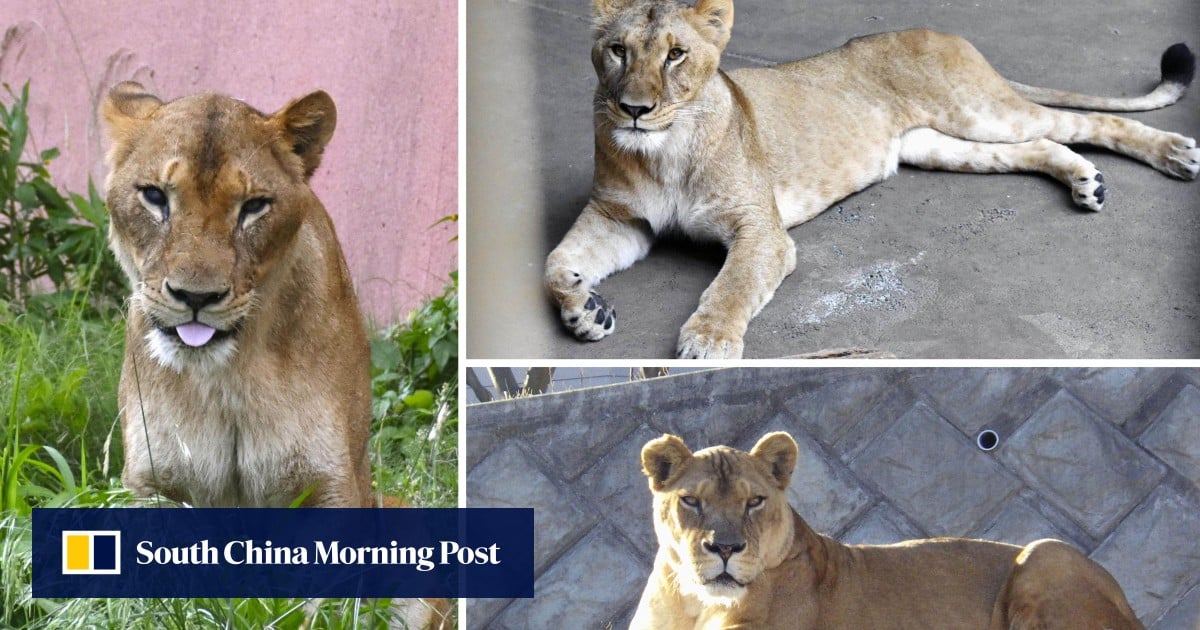
Three lions have died at Tokyo's Tama Zoological Park from suspected heatstroke amid Japan's record-breaking summer heat. The zoo has suspended its lion exhibit and is implementing enhanced cooling measures for its animals.
Intelligence analysis by Gemini 2.5 Flash Lite
Japan is experiencing an unusually intense and early summer heatwave, leading to the deaths of three lions at Tokyo's Tama Zoological Park due to suspected heatstroke. The zoo has taken measures to protect its animals, including strengthening cooling systems, as the high humidity exacerbates the effects of the heat.
Imagine it's super, super hot outside, even hotter than usual, and very sticky. Even though lions usually like warm places, this extreme heat made them very sick. Three lions at a zoo in Tokyo got so sick from the heat that they couldn't get better, and sadly, they passed away. The zoo is now trying extra hard to keep all the other animals cool.
Analysis
A Deadly Heatwave Grips Japan
The summer of 2026 has brought unprecedented heat to Japan, with temperatures soaring to record-breaking levels. This extreme weather event has had tragic consequences for the animal inhabitants of Tokyo's Tama Zoological Park. Three lionesses succumbed to suspected heatstroke, a stark reminder of the vulnerability of even robust species to the escalating climate crisis. The zoo's lion exhibit was temporarily closed on July 23 after ten of the sixteen big cats began exhibiting symptoms of heat distress, including loss of appetite and reduced activity. Despite receiving veterinary care, the three lionesses tragically passed away between July 26 and July 28, with dehydration and multiple organ failure observed as contributing factors.
Zookeepers' Struggle Against Extreme Conditions
While lions are generally perceived as heat-tolerant, the unique conditions in Japan present a significant challenge. Zookeepers have been intensifying cooling measures in recent years to combat Japan's summer heat, which is characterized by high humidity—a stark contrast to the dry heat found in their native African habitats. This increased humidity makes it more difficult for animals to regulate their body temperature through evaporation, amplifying the risk of heatstroke. The zoo spokeswoman emphasized that the heat arrived suddenly after the rainy season concluded in late July, catching many off guard and intensifying the need for robust animal welfare strategies.
Broader Implications for Wildlife and Zoos
The deaths of the lions at Tama Zoological Park serve as a critical case study for the broader implications of climate change on wildlife conservation and zoo management. As extreme weather events become more frequent and intense globally, zoos must continually adapt and innovate their strategies to ensure the well-being of their animals. This includes investing in advanced cooling technologies, modifying enclosures, and potentially adjusting species management plans. The incident also raises questions about the long-term sustainability of keeping certain species in environments increasingly affected by climate change, prompting a wider discussion on conservation efforts and the role of zoos in a warming world.
Key points
- Three lions died at Tokyo's Tama Zoological Park from suspected heatstroke during a severe heatwave.
- The zoo suspended its lion exhibit after ten of sixteen big cats showed signs of heat distress.
- High humidity in Japan exacerbates the effects of extreme heat, posing challenges for animals.
- Zookeepers are strengthening cooling measures to protect animals from the record-breaking summer temperatures.
The zoo's proactive implementation of strengthened cooling measures and its commitment to enhancing animal welfare in response to the extreme heat could serve as a model for other zoological institutions facing similar climate challenges. Continued adaptation and investment in climate-resilient infrastructure may help protect vulnerable animal populations from future heatwaves.
The increasing frequency and intensity of extreme heat events due to climate change pose a persistent and growing threat to wildlife in zoos, potentially leading to further animal deaths and necessitating costly infrastructure upgrades. The inherent limitations of artificial environments in replicating natural climate resilience may become more apparent.