Multiple Cities Engage in Hydrogen Energy Bidding, Who Doesn't Want to Win
Multiple cities in China are engaging in hydrogen energy bidding, with several projects being launched in July. The bidding process is accelerating, with some projects being completed in just a few months. However, the industry is facing challenges, including a shortage o…
Intelligence analysis by Llama
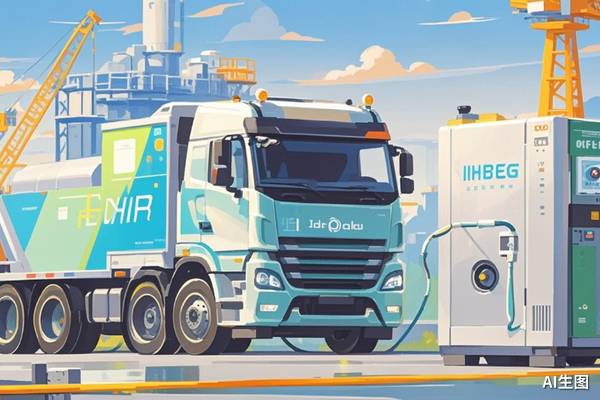
The Chinese government has released a new plan to promote the development of hydrogen energy, which includes setting a target for the consumption of renewable energy to reach 18 billion tons of standard coal by 2030. The plan also emphasizes the importance of industrial applications and transportation in the development of hydrogen energy. Several companies are already working on proj…
Imagine a world where cars run on a special kind of fuel that's clean and doesn't pollute the air. That's what hydrogen energy is all about. It's a new way of powering cars and other vehicles that could help reduce our reliance on fossil fuels and make the air cleaner.
Analysis
A $60B Vote of Confidence
The Chinese government has released a new plan to promote the development of hydrogen energy, which includes setting a target for the consumption of renewable energy to reach 18 billion tons of standard coal by 2030. The plan also emphasizes the importance of industrial applications and transportation in the development of hydrogen energy. Several companies are already working on projects related to hydrogen energy, including the development of hydrogen fuel cells and the production of hydrogen-rich fuels.
Why Cursor?
The development of hydrogen energy has significant implications for the Chinese economy and the environment. It could help to reduce the country's reliance on fossil fuels and mitigate the impact of climate change. Additionally, the development of hydrogen energy could create new job opportunities and stimulate economic growth.
The Road Ahead
The Chinese government has set a target for the consumption of renewable energy to reach 18 billion tons of standard coal by 2030. This will require significant investment in the development of hydrogen energy infrastructure, including the construction of hydrogen fueling stations and the production of hydrogen-rich fuels. Several companies are already working on projects related to hydrogen energy, including the development of hydrogen fuel cells and the production of hydrogen-rich fuels.
Key points
- The Chinese government has released a new plan to promote the development of hydrogen energy.
- The plan includes setting a target for the consumption of renewable energy to reach 18 billion tons of standard coal by 2030.
- Several companies are already working on projects related to hydrogen energy, including the development of hydrogen fuel cells and the production of hydrogen-rich fuels.
- The development of hydrogen energy has significant implications for the Chinese economy and the environment.
- It could help to reduce the country's reliance on fossil fuels and mitigate the impact of climate change.
If the development of hydrogen energy continues to accelerate, it could lead to significant economic benefits, including the creation of new job opportunities and the stimulation of economic growth. Additionally, the development of hydrogen energy could help to reduce the country's reliance on fossil fuels and mitigate the impact of climate change.
However, the development of hydrogen energy is not without its challenges. The industry is facing a shortage of demand for hydrogen energy equipment, and companies will need to adapt to new market conditions in order to succeed. Additionally, the development of hydrogen energy will require significant investment in infrastructure, including the construction of hydrogen fueling stations and the production of hydrogen-rich fuels.