4 tonne piece of SpaceX rocket smashes into moon
A four-tonne SpaceX rocket piece hurtling through space for over 18 months is believed to have smashed into the moon at high speed. The school-bus-size object is the second stage of a SpaceX Falcon 9 rocket that had launched a lunar lander from Firefly Aerospace in Jan 2025.
Intelligence analysis by Llama
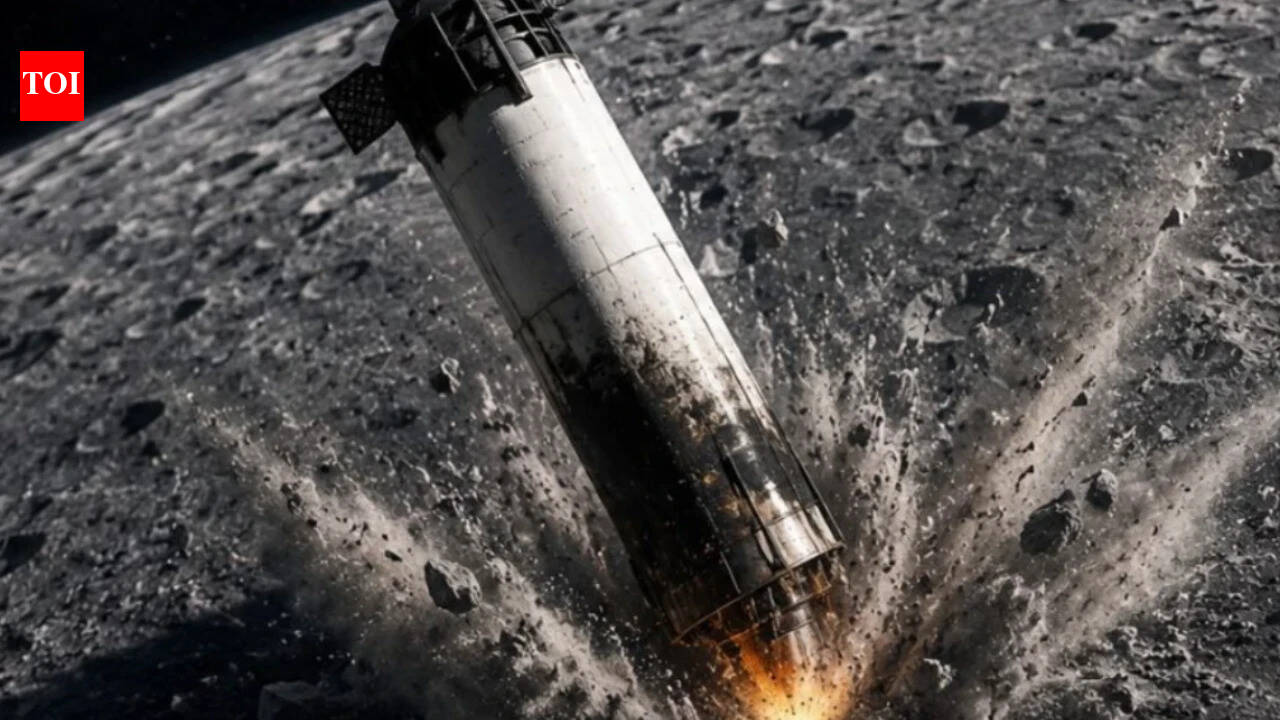
A four-tonne SpaceX rocket piece has smashed into the moon at high speed, kicking up a plume of lunar dust. The impact is unintentional, and Nasa and SpaceX are discussing ways to prevent future lunar impacts.
Imagine a big piece of space junk, like a school bus, floating in space for 18 months. It finally crashed into the moon, making a big cloud of dust. This happened because the rocket stage couldn't be controlled and was on a path to the moon. It's like a big accident in space, and scientists are trying to learn from it.
Analysis
A $60B Vote of Confidence
The recent lunar impact by a SpaceX rocket piece has brought attention to the issue of space junk in Earth's orbit. The four-tonne rocket stage, which had dumped its remaining fuel and cannot be controlled, was on an orbital trajectory ending at the moon. This may be of some scientific interest, and we may learn some things from it.
Why Cursor?
Astronomers are waiting to catch a glimpse of the crash site to study the debris that may have been caused by the collision. The impact is unintentional, and Nasa and SpaceX are discussing ways to prevent future lunar impacts. Such stages typically fall back into Earth's atmosphere and burn up or plunge into the ocean after boosting the rocket's payload to a precise spot in orbit.
The Road Ahead
The lunar impact highlights a certain carelessness about how leftover space hardware (space junk) is disposed of. Nasa and SpaceX are discussing ways to prevent future lunar impacts. The impact is a reminder of the importance of responsible space exploration and the need to develop strategies for managing space debris.
Key points
- A four-tonne SpaceX rocket piece has smashed into the moon at high speed.
- The impact is unintentional, and Nasa and SpaceX are discussing ways to prevent future lunar impacts.
- The lunar impact highlights a certain carelessness about how leftover space hardware (space junk) is disposed of.
- Astronomers are waiting to catch a glimpse of the crash site to study the debris that may have been caused by the collision.
If Nasa and SpaceX can develop strategies to prevent future lunar impacts, it could lead to more responsible space exploration and a safer environment for satellites and other space objects.
The lunar impact highlights the potential risks of space junk and the need for better management of space debris. If left unchecked, space junk could cause more accidents and damage to satellites and other space objects.