40th Islamic Unity Conference to be held in Tehran, Qom, Mashhad
The 40th International Islamic Unity Conference is set to take place in Tehran, Qom, and Mashhad, with online sessions already underway and in-person participation from 140 foreign guests representing 30 countries.
Intelligence analysis by Gemini 2.5 Flash
Iran is hosting its 40th International Islamic Unity Conference across multiple cities, aiming to foster greater cooperation and understanding among Muslim nations. The event will bring together Shia and Sunni scholars, focusing on themes like Islamic identity, peace, and the resistance economy, with high-level attendance from Iranian officials.
Imagine a big meeting where people from different Muslim countries come together to talk about how they can all be friends and work together, like a big family reunion. They'll discuss important things like being kind to each other and helping their communities, especially in places like Palestine. It's happening in different cities in Iran, and even the country's leader will be there to show how important it is.
Analysis
The 40th International Islamic Unity Conference represents a concerted effort by Iran to strengthen its position as a proponent of Islamic solidarity and a key player in regional discourse. By hosting this event across several prominent cities, including the religious centers of Qom and Mashhad, Iran underscores the spiritual and political dimensions of its outreach. The conference's broad agenda, encompassing Islamic identity, governance, and the resistance economy, reflects Iran's strategic priorities in navigating contemporary geopolitical challenges and fostering a collective Muslim voice.
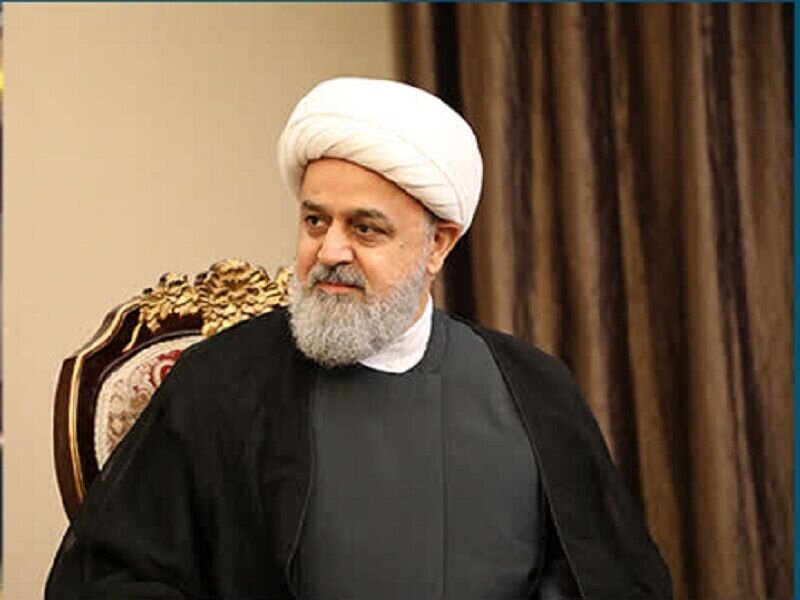
Hamid Shahriari
As the secretary-general of the World Forum for Proximity of Islamic Schools of Thought, Hamid Shahriari plays a pivotal role in organizing and articulating the objectives of the Islamic Unity Conference. His announcement of the event's structure, including online sessions and the participation of nearly 140 foreign guests from 30 countries, highlights the international scope and ambition of the initiative. Shahriari's leadership in this forum is crucial for Iran's soft power diplomacy, aiming to bridge divides between various Islamic schools of thought and present a united front on issues pertinent to the Muslim world.
The inclusion of decentralized conferences in provinces like West Azarbaijan and Kurdistan further demonstrates an effort to broaden participation and engagement beyond the traditional centers. This approach suggests a desire to involve diverse communities and perspectives within Iran's own borders, reinforcing the domestic legitimacy and reach of the unity agenda. Shahriari's emphasis on the unveiling of eight books by the Research Institute for Islamic Proximity Studies also points to the intellectual and academic underpinnings of the conference, seeking to provide scholarly foundations for the pursuit of Islamic unity.
Masoud Pezeshkian
The attendance of President Masoud Pezeshkian at the main conference opening in Tehran signifies the high-level political endorsement and importance Iran places on this event. The presence of the head of state elevates the conference from a purely religious gathering to a significant diplomatic platform, signaling Iran's commitment to its stated goals of fostering peace, security, and collective strength within the Muslim world. Pezeshkian's participation lends considerable weight to the discussions and outcomes, reinforcing the message that Islamic unity is a core tenet of Iran's national policy.
This presidential involvement also serves to project an image of stability and leadership, particularly in a region often characterized by sectarian tensions. By engaging with Sunni and Shia scholars and foreign dignitaries, President Pezeshkian can directly convey Iran's vision for regional cooperation and its stance on critical issues such as Palestine and Lebanon. The conference thus becomes a forum for direct engagement and a demonstration of Iran's diplomatic capabilities on the international stage, aiming to garner support for its regional policies.
Qom
The inclusion of a dedicated academic session at Qom's seminary, held for the first time as part of the conference, marks a notable expansion of the event's intellectual depth and institutional engagement. Qom, as a preeminent center of Shia Islamic learning, provides a significant academic backdrop for discussions on Islamic unity, allowing for scholarly discourse to complement the broader political and social objectives. This new academic focus underscores an effort to delve into the theological and jurisprudential aspects of unity, potentially fostering deeper understanding and consensus among religious scholars.
This session in Qom, alongside the participation of Sunni and Shia scholars from neighboring provinces in Mashhad, highlights a deliberate strategy to involve key religious figures and institutions in the dialogue. By bringing together diverse scholarly perspectives, the conference aims to address the intellectual challenges to unity and explore common ground based on shared Islamic principles. The academic rigor introduced through Qom's seminary can contribute to developing more robust frameworks for cooperation and understanding, moving beyond mere political rhetoric to substantive theological engagement.
Key points
- The 40th International Islamic Unity Conference is being held in Tehran, Qom, and Mashhad.
- Nearly 140 foreign guests from 30 countries are attending, with about 80 participating in person.
- President Masoud Pezeshkian will attend the main opening session on August 27.
- The conference will examine themes including Islamic identity, peace, security, the resistance economy, Palestine, and Lebanon.
- A dedicated academic session will be held at Qom's seminary for the first time as part of the conference.
The conference could foster greater understanding and cooperation among diverse Islamic schools of thought, potentially leading to stronger regional alliances and a more unified stance on critical issues like Palestine. Increased dialogue among scholars and leaders could pave the way for enhanced peace and security in the Muslim world.
Despite the stated goals, the conference might struggle to overcome deep-seated sectarian divisions and geopolitical rivalries, leading to limited tangible outcomes beyond symbolic gestures. The focus on specific regional issues could also be perceived as politically motivated, potentially alienating some participants or exacerbating existing tensions.