60 Minutes correspondent Scott Pelley lays into CBS leadership over cuts
Scott Pelley reportedly blasted CBS leadership for ousting senior 60 Minutes staff, and the meeting ended with staff backing him.
Intelligence analysis by GPT-5.4 Mini
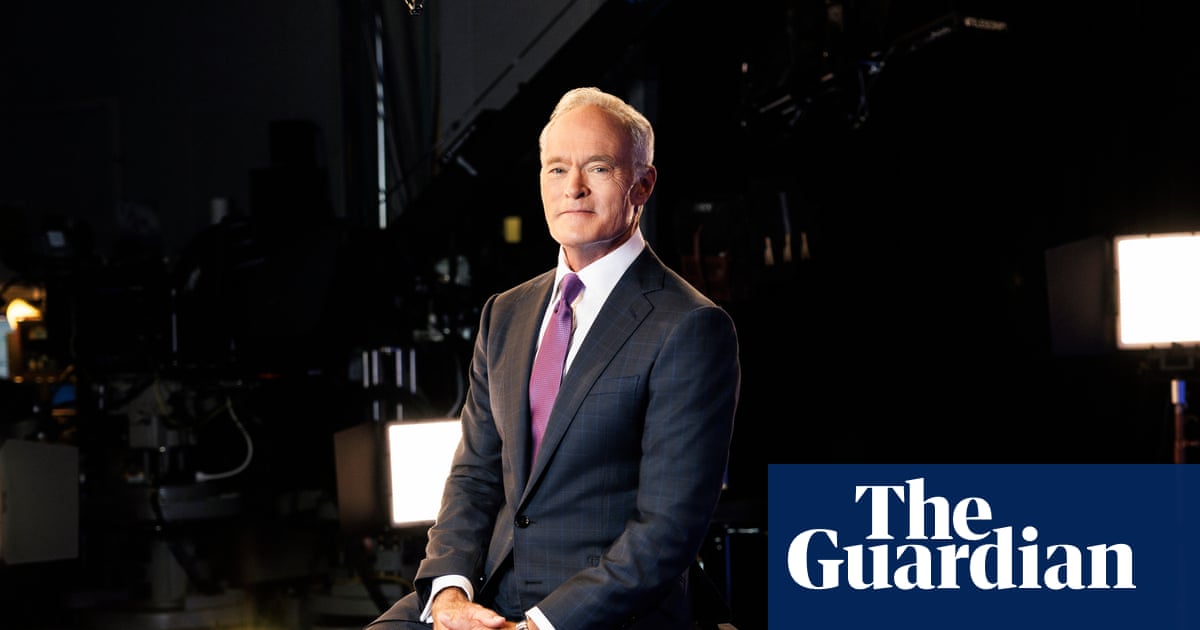
Pelley’s outburst at a staff meeting highlights deep anger inside 60 Minutes after CBS removed top editors and correspondents as part of a broader overhaul. The dispute has turned into a public fight over editorial independence, political pressure and the future of the show.
A big TV news show is having a fight inside it. One reporter, Scott Pelley, got very upset because the bosses fired some important people who help make the show.
It is a bit like a school newspaper where the principal suddenly removes the editors and some writers. The students might worry the paper will not be the same anymore.
The article says many people on the show seemed to side with Pelley. That means the whole newsroom is worried about what the show will become next.
Analysis
What happened
According to the Guardian, Scott Pelley confronted CBS News leadership in a Monday staff meeting after the network fired 60 Minutes’ executive producer, executive editor and two correspondents, Sharyn Alfonsi and Cecilia Vega, as part of a broader shake-up. The article says Pelley aimed his criticism at Bari Weiss, CBS News’s editor-in-chief, and accused the network of damaging the program.
The dispute inside CBS
Sources told the Guardian that Pelley said Weiss was “murdering 60 Minutes” and argued she had been brought in to “kill it.” He also pushed back when CBS News managing editor Charles Forelle called him rude, saying the network had been rude in the way it treated Tanya Simon, the executive producer who was also fired. Nick Bilton, the newly appointed executive producer, told Pelley he would not be intimidated by the remarks.
Broader fallout
The article describes a newsroom divided over the overhaul. Staff members present at the meeting reportedly gave Pelley a standing ovation, suggesting strong resistance to the changes. The piece also notes that Pelley recently praised Alfonsi publicly at the News & Documentary Emmy awards and that other departing staff have alleged interference, political bias and censorship in their statements. CBS, for its part, pushed back on those claims.
The immediate question raised by the report is whether Pelley himself will remain at 60 Minutes. More broadly, the story shows a major news organization under pressure over who controls editorial decisions and how much independence a flagship program can keep under new leadership.
Key points
- Scott Pelley reportedly attacked CBS leadership during a staff meeting over sweeping cuts at 60 Minutes.
- The network had removed the show’s executive producer, executive editor and two correspondents as part of an overhaul.
- Pelley allegedly accused Bari Weiss of trying to destroy the program, while staff gave him a standing ovation.
- Departing staff have said the changes threaten editorial independence and could introduce political bias.
- The report raises questions about Pelley’s future at 60 Minutes and the direction of the show.
If CBS listens to staff concerns, it could calm the newsroom and keep 60 Minutes’ reputation for strong reporting intact. A clear commitment to editorial independence would help rebuild trust after the cuts.
If the leadership change continues to trigger resistance, the show could lose more staff confidence and face further instability. The article also suggests fears that editorial pressure could weaken the program’s independence and public credibility.