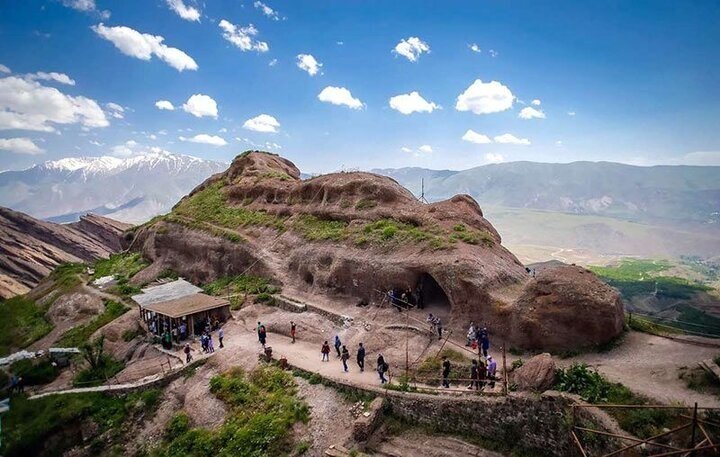
7,500-year-old Tepe Sialk Undergoes Restoration Work
Iranian authorities have launched the second phase of restoration work at the Tepe Sialk archaeological site in Kashan. The project includes protective mud-plaster treatment on damaged sections and improvements to the drainage system.
Intelligence analysis by Llama
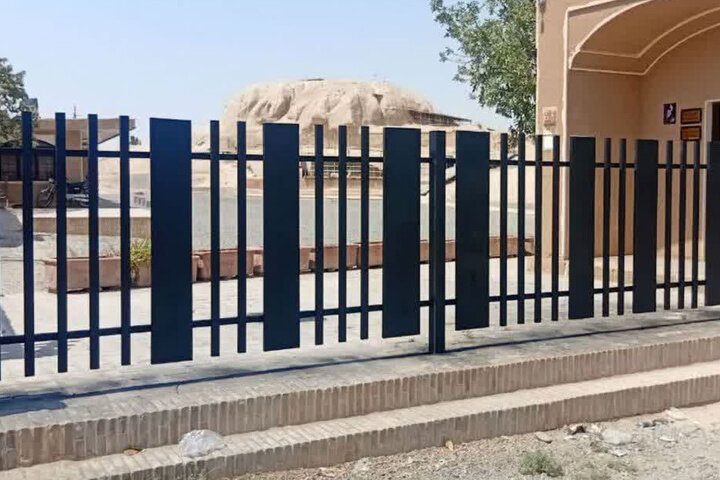
Iranian authorities have launched the second phase of restoration work at the Tepe Sialk archaeological site in Kashan, including protective mud-plaster treatment and improvements to the drainage system.
Tepe Sialk is a very old archaeological site in Iran that's being restored to protect it from damage. The restoration work includes fixing broken parts and improving the way water flows around the site.
Analysis
A 7,500-Year-Old Treasure Unveiled
The Tepe Sialk archaeological site in Kashan, Iran, is a treasure trove of human history, dating back to around 6000–5500 BC. The site consists of two main mounds, known as the northern and southern hills, containing multiple cultural layers that document thousands of years of human occupation. The site was first excavated in the 1930s by French archaeologist Roman Ghirshman and his wife, Tania Ghirshman, revealing evidence of successive prehistoric civilizations, including early mud-brick architecture, pottery production, metallurgy, and the emergence of trade networks.
Excavations identified six major cultural phases, documenting developments ranging from early farming communities and handmade pottery to the introduction of the potter's wheel, metallurgy, urban organization, and the appearance of Proto-Elamite writing around the third millennium BC. Archaeological investigations resumed in 2001 under Iranian archaeologist Malek Shahmirzadi, whose research expanded understanding of the site's chronology and cultural significance.
Protecting a National Treasure
The restoration work at Tepe Sialk is a testament to Iran's commitment to preserving its rich cultural heritage. The project includes protective mud-plaster treatment on damaged sections of the ancient site and improvements to its drainage system to reduce the impact of natural erosion. The announcement came after authorities completed work to reorganize the entrance area of the archaeological site and finish fencing around its perimeter.
A Long-Term Preservation Plan
The provincial cultural heritage authorities are pursuing a long-term preservation plan for Tepe Sialk, which includes continuous conservation, restoration, and infrastructure improvements. The plan aims to safeguard the nationally registered site and improve visitor management. The official added that future conservation and site management projects would continue in accordance with professional heritage conservation standards.
Key points
- Iranian authorities have launched the second phase of restoration work at the Tepe Sialk archaeological site in Kashan.
- The project includes protective mud-plaster treatment on damaged sections and improvements to the drainage system.
- The restoration work aims to safeguard the nationally registered site and improve visitor management.
If the restoration work at Tepe Sialk is successful, it could lead to a better understanding of Iran's rich cultural heritage and potentially attract more tourists to the site.
However, the restoration work may be delayed or hindered by funding issues or other challenges, which could impact the site's preservation and the local community's livelihood.