96 deals signed, flights planned: what’s next for Hong Kong and Central Asia?
Hong Kong signed 96 deals in Kazakhstan and Uzbekistan, but officials and businesses now face the harder task of turning them into results.
Intelligence analysis by GPT-5.4 Mini
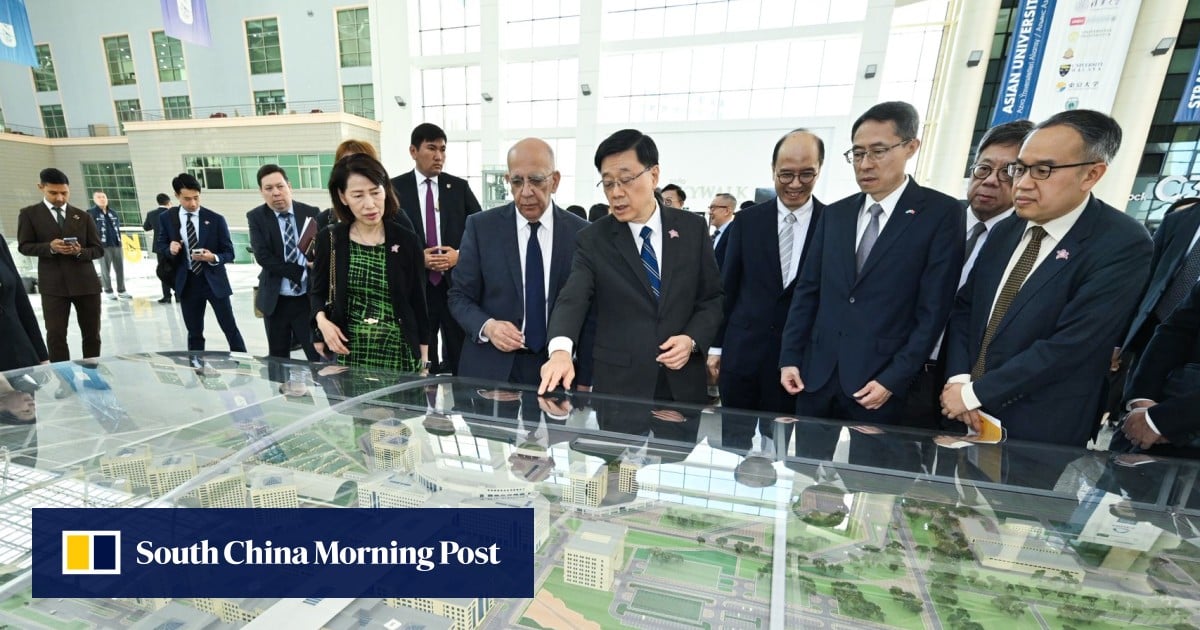
John Lee’s Central Asia trip produced nearly 100 agreements and renewed flight plans, giving Hong Kong a fresh opening in the region. The article says the bigger test is follow-through: converting MOUs into business, listings, and investment flow.
Hong Kong went on a business trip and came home with lots of signed promises, like 96 handshakes on paper. It is like planting many seeds: the hard part is watering them so they actually grow into real plants.
Analysis
What happened
Hong Kong Chief Executive John Lee Ka-chiu ended his Central Asia visit after meetings with senior leaders and the signing of 96 agreements and MOUs. The deals were split between 61 in Kazakhstan and 35 in Uzbekistan, covering finance, innovation, trade, and media.
Why the trip mattered
A major takeaway was the plan to restore direct flights to the region, which the article describes as a key win for the visit. That matters because easier travel can support trade, deal-making, and investment follow-up.
The business angle
China International Capital Corporation was one of the most active participants, with at least six agreements. One of those was with Kazakhstan’s sovereign wealth fund, Samruk-Kazyna, aimed at using Hong Kong’s financial expertise to help privatise state assets and major national industries.
The article also says Kazakhstan Temir Zholy, the state railway company, has decided to list in Hong Kong. Frederick Ma Si-hang of the Trade Development Council said some Kazakh companies are expected to join a Hong Kong roadshow later this month to attract investors.
The real test
The article’s core warning is that signing agreements is the easy part. Government bodies, companies, and other stakeholders now have to do the follow-up work needed to turn promises into concrete business outcomes. Without that, the trip risks producing more paper than progress.
Key points
- Hong Kong signed 96 agreements and MOUs during John Lee’s Central Asia visit.
- 61 deals were signed in Kazakhstan and 35 in Uzbekistan, spanning finance, innovation, trade, and media.
- Direct flights to the region were highlighted as a major practical gain from the trip.
- CICC signed at least six deals, including one with Kazakhstan’s sovereign wealth fund Samruk-Kazyna.
- The article says the main challenge now is follow-up to turn agreements into real business results.
If the agreements are followed up properly, Hong Kong could become a more useful finance and investment bridge for Kazakhstan and Uzbekistan. Direct flights and investor roadshows could make it easier for companies to meet, list, and do business across the region.
The article makes clear that signed MOUs do not guarantee results. If agencies and companies fail to keep pushing after the trip, the headlines could fade without producing much actual trade, investment, or privatisation activity.