A conservative California county is trying to kill mail-in voting
Shasta County voters approved a measure to end mail voting and require in-person ballots, photo ID and hand counts. California officials and voting-rights groups say it conflicts with state law.
Intelligence analysis by GPT-5.4 Mini
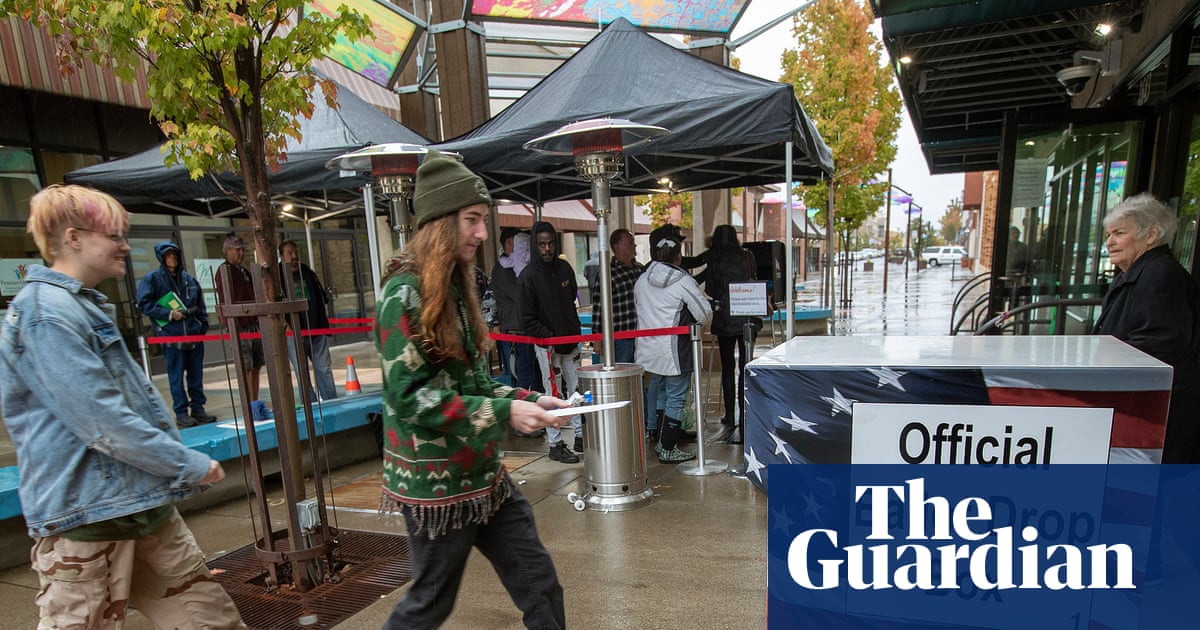
In rural Shasta County, voters backed a measure that would sharply reshape local elections by limiting absentee voting, requiring photo ID and pushing hand counts. The move has set up another clash between county election skeptics and California election law.
Shasta County is trying to change how people vote so almost everyone has to show up in person, like replacing many mailboxes with one small doorway. Supporters say it makes voting safer, while critics say it blocks too many people and breaks state rules.
Analysis
What Measure B does
Shasta County, in far northern California, approved Measure B in last Tuesday’s election. The measure would require elections to be held in person on a single day, limit who can cast absentee ballots, require photo ID and use a hand count. The practical effect, according to the article, would be to end vote by mail in a county where about 85% of residents vote that way.
Why opponents say it is illegal
The American Civil Liberties Union of Northern California and local and state League of Women Voters chapters say the measure plainly violates state law. Their concern is not only access, but also cost: they warn it could expose county taxpayers to significant litigation. The article says California law bars local governments from creating and enforcing rules that require voters to provide ID in order to vote.
The larger conflict
Shasta County has been in a prolonged fight over elections since the aftermath of the 2020 presidential election. Activists in the county have pushed claims of widespread fraud, and some election officials repeated those claims. A former registrar told a US Senate committee in 2022 that activists had weaponized election observation and that staff faced interference and bullying.
The county’s election office is now overseen by Clint Curtis, described in the article as an election skeptic who supported Measure B. The county also cut ties with Dominion Voting Systems in 2023 and tried to move toward hand counts, but the state blocked that path with a law banning manual tallies in most cases.
Where things stand now
The measure appears likely to pass, with more than 55% support reported in the article. But the state attorney general’s office said it is closely monitoring the results and stands ready to act if needed to protect voters’ rights and enforce election law. Meanwhile, voters also removed Curtis and chose Joanna Francescut, a longtime former office staffer, to run elections instead.
Key points
- Shasta County voters approved Measure B, which would end mail-in voting in practice and require in-person elections on one day.
- The measure also calls for photo ID and hand counts, which critics say conflict with California law.
- The article says about 85% of county residents vote by mail, and even many Measure B supporters did so themselves.
- State officials and voting-rights groups are warning that the county may be headed for legal trouble.
- The vote is part of a broader election-skeptic movement that has shaped county politics since 2020.
If California blocks the measure, the county could avoid a major legal fight and keep voting methods that most residents already use. The return of an experienced election official could also help calm the county’s election office and reduce conflict.
If the measure survives, voters could face new barriers to casting ballots, especially people who rely on mail voting. The county could also spend heavily on lawsuits while the dispute deepens the long-running distrust around elections.