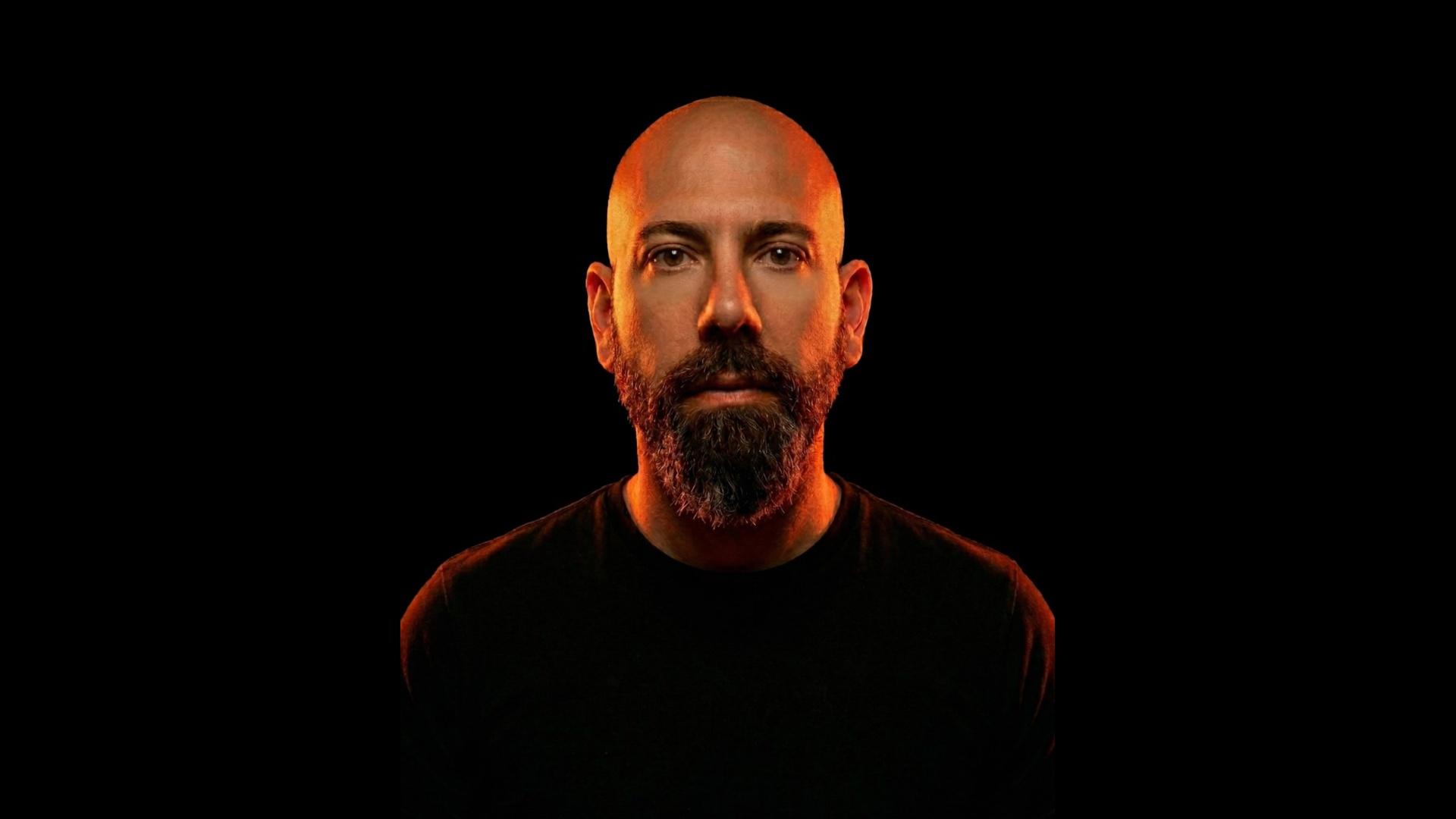
A crypto pioneer who turned a $20 million family stake into a billion-dollar fund doubles down on bitcoin
DFG founder James Wo says bitcoin has stronger institutional support than ether and expects BTC to outperform major stock markets.
Intelligence analysis by GPT-5.4 Mini

James Wo, who turned initial family backing into a $1 billion crypto firm, says bitcoin is the stronger long-term bet and doubts Ethereum can match its institutional status or price upside soon.
James Wo thinks bitcoin is like the strongest, easiest-to-sell collectible in crypto, while ether may be sharing too much of its value with other pieces built on top of it. He believes bitcoin can keep rising over time, even if it dips first.
Analysis
Wo’s read on bitcoin vs. ether
At the Proof of Talk conference in Paris, DFG founder and CEO James Wo argued that bitcoin has become the clearer institutional asset in crypto, while ether has not reached the same level of consensus. He pushed back on Tom Lee’s $250,000 ether forecast, saying Ethereum does not yet have the same recognition from traditional finance or the same “safe haven” appeal that he sees in bitcoin.
Wo’s critique of Ethereum centers on value capture. He said more activity and fee flow are moving to layer-2 networks, which in his view reduces how much value accrues to the ether token itself. He also said he does not think Ethereum will make a new all-time high, even as the community continues debating upgrades that could change the network’s economics.
The article notes that this view is not universally shared. Vitalik Buterin has recently reopened discussion about whether layer-2s still make sense as Ethereum becomes faster and cheaper, which suggests the network’s economic model is still evolving.
Wo’s background and bitcoin outlook
Wo’s stance comes from a decade of investing in digital assets. He said he first received $20 million from his mother, who did not initially understand bitcoin, and used it to buy BTC during the market lows of late 2014 and 2015. As crypto expanded, DFG diversified into other layer-1 ecosystems and early-stage projects, including Solana, Polkadot, Near, and Circle’s USDC project.
Today, DFG says it manages more than 100 portfolio entities and over $1 billion in assets under management. Wo said bitcoin has the strongest liquidity profile and believes it can outperform the Chinese and U.S. stock markets over time. He expects a near-term correction is possible, with a bottom around $60,000 to $62,000 if BTC falls by about 50%, but he still sees a new peak around $125,000 in 2027 or 2028.
Key points
- DFG founder James Wo says bitcoin has stronger institutional consensus than ether.
- He rejected Tom Lee’s forecast that ether could reach $250,000.
- Wo argues that layer-2 networks weaken Ethereum’s direct value capture.
- He says bitcoin could outperform U.S. and Chinese stocks over time.
- Wo expects bitcoin may correct to around $60,000 to $62,000 before a later peak near $125,000 in 2027 or 2028.
If Wo’s view plays out, bitcoin keeps strengthening as the main institutional crypto asset and continues drawing capital from traditional markets. DFG’s long track record in bitcoin and early crypto ecosystems also suggests this thesis is coming from someone who has already seen the sector through multiple cycles.
If Ethereum’s layer-2 ecosystem keeps pulling value away from the base token, ether could continue underperforming even if activity on the network grows. Wo also expects bitcoin to correct before making new highs, which means the path higher could still include a large drawdown.