A Japanese town wrestles with identity after protests over its first mosque
A Japanese town is grappling with the construction of its first mosque, sparking a range of emotions and debates about immigration and social change.
Intelligence analysis by Llama
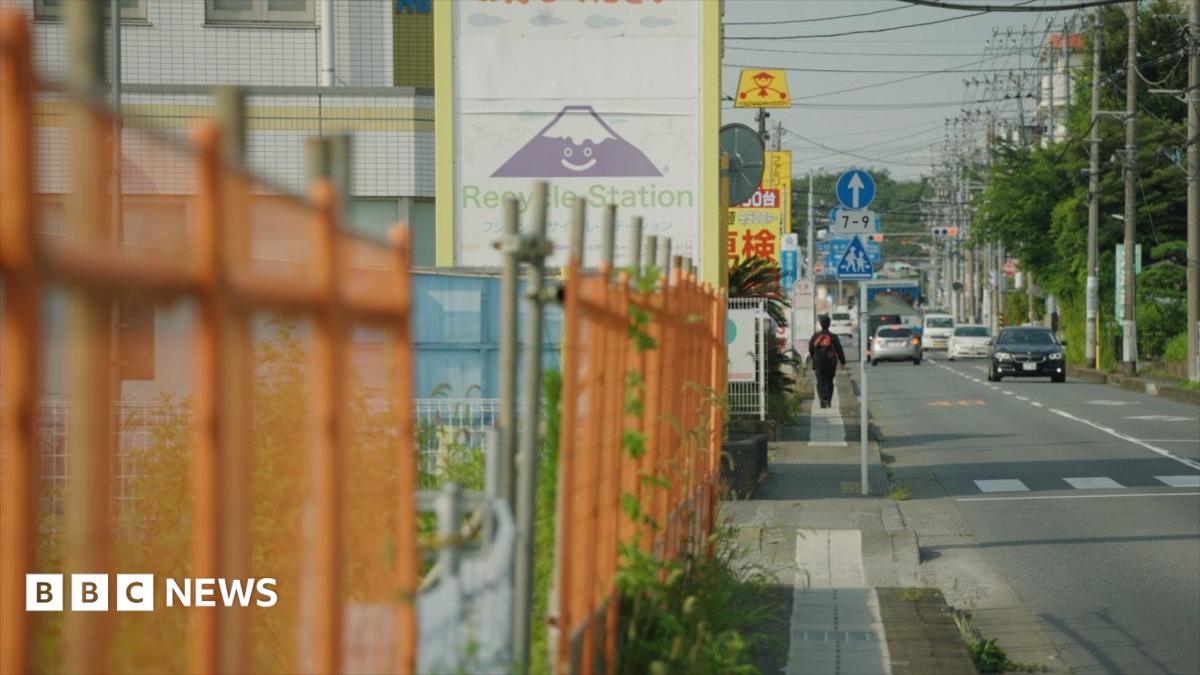
The proposed mosque in Fujisawa has sparked protests and debates about immigration and social change, exposing the growing anxieties over Japan's shrinking and ageing population.
Imagine a small town in Japan where people are worried about a new mosque being built. Some people are angry and scared, while others are hopeful and accepting. This is because Japan is changing, and people are moving in from other countries. This is making some people feel uncomfortable, but it's also an opportunity for people to learn and understand each other better.
Analysis
A Town Divided: Fujisawa's Mosque Debate Exposes Japan's Growing Anxieties
The proposed construction of a mosque in Fujisawa, a laid-back seaside town in Japan, has sparked a heated debate about immigration and social change. The protests and counter-protests that have erupted in the town have exposed the growing anxieties over Japan's shrinking and ageing population. As the country grapples with a labour shortage, it is increasingly relying on foreign workers to fill open jobs. However, this influx of immigrants has also brought with it a range of challenges, including cultural and linguistic differences, and the need for greater understanding and dialogue.
The Verbal Abuse: A Growing Concern
The verbal abuse that Muslims in Japan have been facing is a growing concern. Businessman Mohamed Mohideen, who has lived in Osaka for 39 years, has experienced firsthand the shift in attitude towards Muslims. He has been subjected to verbal abuse, including being called a terrorist and being told to get out of Japan. Despite having good relationships with neighbours for many years, Mohideen has noticed the shift in attitude towards Muslims more recently.
The Importance of Dialogue
Shakeel Mohamed, 61, who represents the Yashio mosque in Saitama prefecture, believes that the most important thing is to follow Japan's rules and to respect the way things are done in Japan. He also stresses the importance of courtesy and greeting people. However, he also acknowledges that there are some Pakistanis who behave badly, but they are only a small minority.
Japan's Growing Muslim Population
Japan's Muslim population has grown in recent decades, and there are a number of mosques in the country. The foreign resident population, which mainly comes from China, Vietnam, South Korea, and the Philippines, has surpassed four million in 2025. A record 2.57 million of them work in Japan, according to a report by the Japanese government. This growing trend reflects a greater nationwide trend, and it is essential that Japan addresses the challenges and opportunities that come with it.
Key points
- The proposed mosque in Fujisawa has sparked protests and debates about immigration and social change in Japan.
- The growing Muslim population in Japan is a reflection of the country's changing demographics and its increasing reliance on foreign workers.
- The verbal abuse that Muslims in Japan have been facing is a growing concern and needs to be addressed.
- Greater understanding and dialogue between the Muslim community and the local residents are essential for a more inclusive and accepting community.
- The development of the mosque in Fujisawa has the potential to lead to greater understanding and dialogue, but it also risks escalating tensions and division.
If the development of the mosque in Fujisawa plays out positively, it could lead to greater understanding and dialogue between the Muslim community and the local residents. This could also lead to a more inclusive and accepting community, where people from different backgrounds and cultures can coexist peacefully.
If the protests and counter-protests in Fujisawa escalate, it could lead to further division and tension between the Muslim community and the local residents. This could also lead to a more hostile and unwelcoming environment for Muslims in Japan, making it even more challenging for them to integrate and feel accepted.