Adani to pay no company tax despite $1bn revenue from Queensland coalmine
Adani, an Indian conglomerate, will pay no company tax despite generating almost $1bn in revenue from coal mining in Queensland over the past year. The company's financial accounts show a recorded $340.6m loss for the year, erasing its tax bill.
Intelligence analysis by Llama
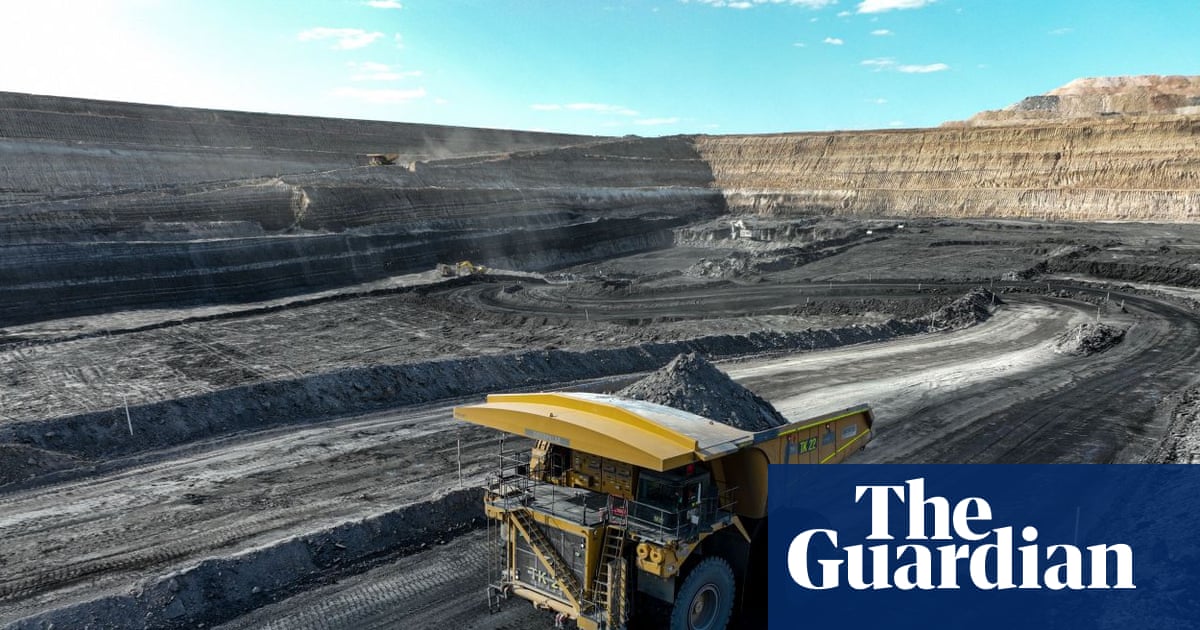
Adani's Carmichael thermal coal operations used large costs to offset its $963.5m revenue, resulting in a $340.6m loss and no corporate tax payable. This is despite past pledges by Adani that the operations would plough billions of dollars in taxes and royalties into the economy.
Imagine you have a lemonade stand that makes a lot of money, but you also have a lot of expenses, like buying lemons and sugar. If you can make your expenses bigger than your earnings, you can make a loss and not have to pay taxes. That's kind of what Adani did with its coal mining business in Australia. It made a lot of money, but it also had a lot of expenses, which meant it didn't have to pay taxes. This is not a good thing, because it means that Adani is not contributing as much to the Australian economy as it could be.
Analysis
A $60B Vote of Confidence
Adani's Carmichael thermal coal operations have been a contentious issue in Australia, with many environmental groups and local communities opposing the project due to its potential impact on the Great Barrier Reef and other ecosystems. Despite this, the project has been approved and has been operational since 2021. The financial accounts of Adani's mining project show that it has never paid corporate tax in Australia, despite generating almost $1bn in revenue from coal mining in Queensland over the past year. This is a result of the company's complex financial structure, which allows it to offset its earnings with large costs, including production and related party logistics expenses. The company's spokesperson has stated that it complies fully with its state and commonwealth taxation and royalty obligations, but this does not change the fact that Adani has avoided paying corporate tax in Australia. The Carmichael operations have been profitable for Adani, with the company generating $963.5m in revenue over the past year. However, the company's financial accounts show a recorded $340.6m loss for the year, which has erased its tax bill. This is not the first time that Adani has been accused of tax avoidance. In 2020, the company was accused of using a loophole to avoid paying taxes on its Australian operations. The company has also been accused of using its complex financial structure to avoid paying taxes in other countries. The Australian government has been criticized for its handling of Adani's tax affairs, with many arguing that the company has been given too many concessions and loopholes to avoid paying taxes. The story of Adani's tax avoidance is a complex one, with many different factors at play. However, one thing is clear: Adani's actions have raised concerns about the company's commitment to paying its fair share of taxes in Australia.
Why Cursor?
Adani's tax avoidance strategies have been a major point of contention in Australia, with many arguing that the company has been given too many concessions and loopholes to avoid paying taxes. The company's complex financial structure has allowed it to offset its earnings with large costs, including production and related party logistics expenses. This has resulted in a recorded $340.6m loss for the year, which has erased its tax bill. The Australian government has been criticized for its handling of Adani's tax affairs, with many arguing that the company has been given too many concessions and loopholes to avoid paying taxes. The story of Adani's tax avoidance is a complex one, with many different factors at play. However, one thing is clear: Adani's actions have raised concerns about the company's commitment to paying its fair share of taxes in Australia.
The Road Ahead
The story of Adani's tax avoidance is a complex one, with many different factors at play. However, one thing is clear: Adani's actions have raised concerns about the company's commitment to paying its fair share of taxes in Australia. The Australian government has been criticized for its handling of Adani's tax affairs, with many arguing that the company has been given too many concessions and loopholes to avoid paying taxes. The company's complex financial structure has allowed it to offset its earnings with large costs, including production and related party logistics expenses. This has resulted in a recorded $340.6m loss for the year, which has erased its tax bill. The story of Adani's tax avoidance is a complex one, with many different factors at play. However, one thing is clear: Adani's actions have raised concerns about the company's commitment to paying its fair share of taxes in Australia.
Key points
- Adani's Carmichael thermal coal operations have never paid corporate tax in Australia, despite generating almost $1bn in revenue from coal mining in Queensland over the past year.
- The company's financial accounts show a recorded $340.6m loss for the year, which has erased its tax bill.
- Adani's tax avoidance strategies have been a major point of contention in Australia, with many arguing that the company has been given too many concessions and loopholes to avoid paying taxes.
- The Australian government has been criticized for its handling of Adani's tax affairs, with many arguing that the company has been given too many concessions and loopholes to avoid paying taxes.
If Adani's coal mining business continues to be profitable, the company may be able to pay taxes in the future. However, this is uncertain and depends on various factors, including the company's financial structure and the Australian government's tax policies.
The Australian government's handling of Adani's tax affairs has been criticized, and the company's tax avoidance strategies have raised concerns about its commitment to paying its fair share of taxes in Australia. If the company continues to avoid paying taxes, it could lead to further criticism and potentially even changes to the tax laws.