Afghanistan's Taliban Opponent Commander Jamshid Khan Fatah Surrenders: Can Other Armed Groups Pose Problems for the Afghan Government?
A Taliban opponent commander, Jamshid Khan Fatah, has surrendered in Afghanistan's Badakhshan province, raising questions about whether other armed groups can pose problems for the Afghan government.
Intelligence analysis by Llama
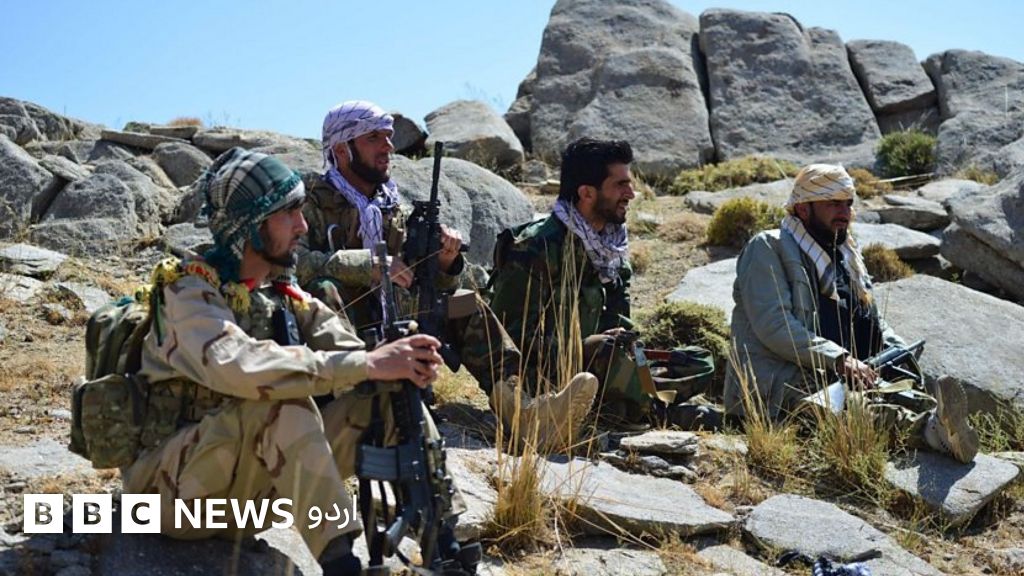
Taliban opponent commander Jamshid Khan Fatah has surrendered in Afghanistan's Badakhshan province, raising questions about whether other armed groups can pose problems for the Afghan government. The surrender comes as the Taliban government faces growing opposition from various groups, including the National Resistance Front (NRF).
Imagine a group of people who don't like the government in Afghanistan. They want to fight against the government and make it change. But the government is very strict and doesn't listen to them. The people who don't like the government are getting more and more angry and are starting to fight back. This could lead to a big problem for the government and the country.
Analysis
Taliban Opponent Commander Surrenders in Badakhshan Province
In a significant development, Taliban opponent commander Jamshid Khan Fatah has surrendered in Afghanistan's Badakhshan province. This surrender has raised questions about whether other armed groups can pose problems for the Afghan government. The National Resistance Front (NRF), a Taliban opponent group, has been actively involved in the conflict in Badakhshan province.
The NRF has been fighting against the Taliban government, which has been in power for five years. The group has been involved in various attacks against the Taliban, including the recent attack on the provincial capital of Faizabad. The attack resulted in the death of the mayor of Faizabad, who was a Taliban supporter.
The surrender of Jamshid Khan Fatah is seen as a significant blow to the NRF, which has been struggling to maintain its presence in the region. The group has been facing significant challenges, including a lack of resources and support from the international community. The Taliban government has also been cracking down on the NRF, with reports of arrests and executions of its members.
Despite the challenges, the NRF has continued to operate in the region, with reports of attacks against the Taliban. The group has also been receiving support from some local communities, who are opposed to the Taliban government.
The surrender of Jamshid Khan Fatah has raised questions about the future of the NRF and the Taliban government. The Afghan government's ability to maintain control and stability in the face of opposition from various groups will be crucial in determining the country's future.
Growing Opposition to the Taliban Government
The Taliban government has been facing growing opposition from various groups, including the NRF. The opposition has been fueled by the Taliban's strict policies, including the enforcement of Sharia law and the execution of those who oppose the government.
The Taliban government has also been accused of human rights abuses, including the execution of civilians and the forced displacement of people. The opposition has also been fueled by the Taliban's failure to provide basic services, including healthcare and education.
The growing opposition to the Taliban government has significant implications for the future of Afghanistan. The Afghan government's ability to maintain control and stability in the face of opposition from various groups will be crucial in determining the country's future.
Implications for the Future of Afghanistan
The surrender of Jamshid Khan Fatah and the growing opposition to the Taliban government have significant implications for the future of Afghanistan. The Afghan government's ability to maintain control and stability in the face of opposition from various groups will be crucial in determining the country's future.
The Taliban government has been in power for five years, and its ability to maintain control and stability has been questioned. The growing opposition to the government has raised concerns about the country's future, with some predicting a return to civil war.
The international community has been watching the situation in Afghanistan closely, with some countries providing support to the Taliban government. However, the growing opposition to the government has raised concerns about the country's future, with some predicting a return to civil war.
In conclusion, the surrender of Jamshid Khan Fatah and the growing opposition to the Taliban government have significant implications for the future of Afghanistan. The Afghan government's ability to maintain control and stability in the face of opposition from various groups will be crucial in determining the country's future.
Key points
- Taliban opponent commander Jamshid Khan Fatah has surrendered in Afghanistan's Badakhshan province.
- The surrender has raised questions about whether other armed groups can pose problems for the Afghan government.
- The National Resistance Front (NRF) has been actively involved in the conflict in Badakhshan province.
- The NRF has been fighting against the Taliban government, which has been in power for five years.
- The group has been involved in various attacks against the Taliban, including the recent attack on the provincial capital of Faizabad.
The surrender of Jamshid Khan Fatah and the growing opposition to the Taliban government could lead to a more stable and peaceful Afghanistan in the long run. If the opposition groups can work together and find a way to peacefully resolve their differences with the government, it could lead to a more stable and prosperous country.
The growing opposition to the Taliban government could lead to a return to civil war in Afghanistan. If the opposition groups continue to fight against the government, it could lead to a lot of violence and instability in the country. This could have serious consequences for the people of Afghanistan and the international community.