Pakistan Refineries Plan $5 Billion Upgrades Under New Policy
Pakistan's long-delayed refinery modernization program is moving toward implementation, with five domestic refineries planning combined investments of around $4.5 billion to $5 billion in green fuel, capacity expansion, and other upgrades.
Intelligence analysis by Llama
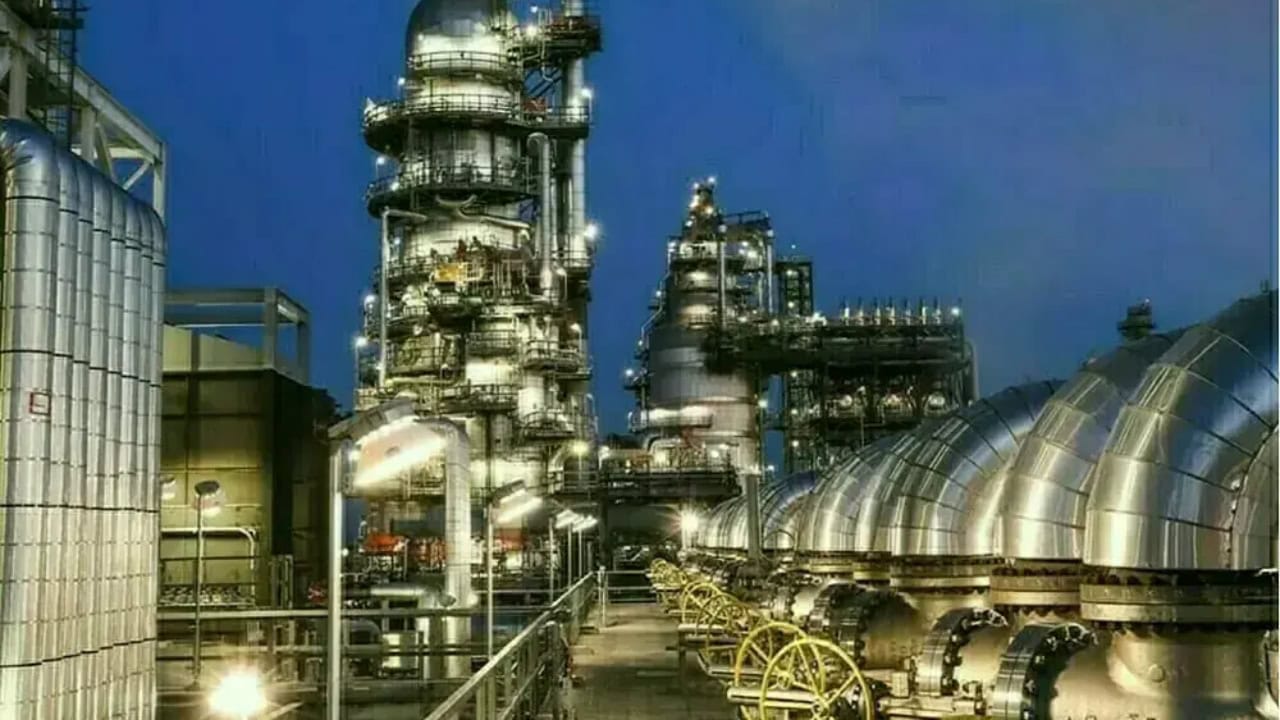
Pakistan's refinery modernization program is gaining momentum, with five refineries planning to invest $4.5 billion to $5 billion in upgrades. The investments will improve fuel quality, increase refining capacity, and strengthen domestic petroleum product supplies.
Pakistan's refineries are planning to upgrade and invest in new technologies to make cleaner fuel and increase their capacity. This will help improve the country's energy sector and reduce pollution.
Analysis
Policy Background
Pakistan's long-delayed refinery modernization program is finally moving toward implementation, with five domestic refineries planning combined investments of around $4.5 billion to $5 billion in green fuel, capacity expansion, and other upgrades. The investment plans are being pursued under the amended Brownfield Refineries Upgradation Policy, which requires refineries to sign implementation agreements within 45 days, compared with the earlier 60-day deadline.
Refinery Upgrades
Pakistan's largest refinery, Pak-Arab Refinery Company (Parco), has finalized a $600 million green fuel project. Parco selected the green fuel option after commissioning two studies to determine the most suitable upgrade strategy. The company has informed the government that it will sign the upgradation agreement within the stipulated period. Parco has already reduced its furnace oil share from around 20% to 14% through operational measures. The green fuel project is expected to bring it down further to 10-11% in the first phase, with a second phase aimed at eliminating furnace oil production. Under the revised policy, Parco will also transition completely from Euro-III to Euro-V fuel specifications. Motor gasoline production is expected to increase from around 3,678 tonnes per day to 4,023 tonnes per day, while diesel production will also rise.
Investment Plans
Pakistan Refinery Limited (PRL) has planned one of the largest refinery upgrades, with a $1.8 billion to $2 billion bottom-of-barrel project. The project is expected to eliminate furnace oil production and improve PRL's overall product mix. It will also double the refinery's crude processing capacity from 50,000 barrels per day (BPD) to 100,000 BPD. Attock Refinery Limited (ARL) has also confirmed its readiness to sign an upgradation agreement. The company's approximately $600 million project includes a Continuous Catalytic Reformer, upgrades to its Diesel Hydro Desulphurising Unit, a Kerosene Hydrotreating Unit, additional storage and utilities, and a biofuel facility. The upgrade is expected to enable ARL to meet Euro-V standards and increase motor gasoline production by around 25%. Cnergyico Pakistan Limited (CPL), the country's largest private refinery, is preparing an investment program worth approximately $1.2 billion. The plan includes green fuel production, bottom-of-barrel upgrades, capacity expansion, and construction of a Single Point Mooring (SPM) facility. CPL currently has crude refining capacity of around 156,000 BPD and plans to increase it to approximately 200,000 BPD through a three-phase expansion. The first phase focuses on Euro-V/VI petroleum products and is already underway. The second phase involves the bottom-of-barrel project, while the third phase covers additional refining capacity and the SPM facility. National Refinery Limited (NRL) is considering a hybrid green fuel and bottom-of-barrel project estimated at $300 million to $800 million. The refinery has already achieved Euro-V high-speed diesel production, while further studies are being conducted to determine the appropriate upgrade configuration for motor spirit and other products. NRL also plans to increase its crude refining capacity from 50,000 BPD to 70,000 BPD, although the final scope of the project has yet to be decided.
Implications
The combined investment plans of Parco, PRL, CPL, ARL, and NRL could bring up to $5 billion into Pakistan's refining sector. The projects are expected to improve fuel quality, increase refining capacity, reduce furnace oil production, and strengthen domestic petroleum product supplies. With the amended policy imposing a tighter 45-day deadline for implementation agreements, Pakistan's refinery modernization program is now moving closer to the execution stage.
Key points
- Pakistan's refinery modernization program is moving toward implementation, with five domestic refineries planning combined investments of around $4.5 billion to $5 billion in green fuel, capacity expansion, and other upgrades.
- The investment plans are being pursued under the amended Brownfield Refineries Upgradation Policy, which requires refineries to sign implementation agreements within 45 days.
- Pakistan's largest refinery, Pak-Arab Refinery Company (Parco), has finalized a $600 million green fuel project.
- Parco has already reduced its furnace oil share from around 20% to 14% through operational measures.
- The green fuel project is expected to bring it down further to 10-11% in the first phase, with a second phase aimed at eliminating furnace oil production.
- Pakistan Refinery Limited (PRL) has planned one of the largest refinery upgrades, with a $1.8 billion to $2 billion bottom-of-barrel project.
- The project is expected to eliminate furnace oil production and improve PRL's overall product mix.
- Attock Refinery Limited (ARL) has also confirmed its readiness to sign an upgradation agreement.
The refinery modernization program has the potential to bring in significant investments and improve Pakistan's energy sector. If implemented successfully, it could lead to improved fuel quality, increased refining capacity, and strengthened domestic petroleum product supplies.
However, the program's success is dependent on the timely implementation of the investment plans and the ability of the refineries to meet the new standards. Delays or failures in the program could lead to reduced investments and a weaker energy sector.