After Ceuta Influx: Migrants Return, Europe Debates Border Protection
Most migrants who entered the Spanish enclave of Ceuta have reportedly returned, sparking a new EU-level debate on border protection and the Schengen Agreement.
Intelligence analysis by Gemini 2.5 Flash
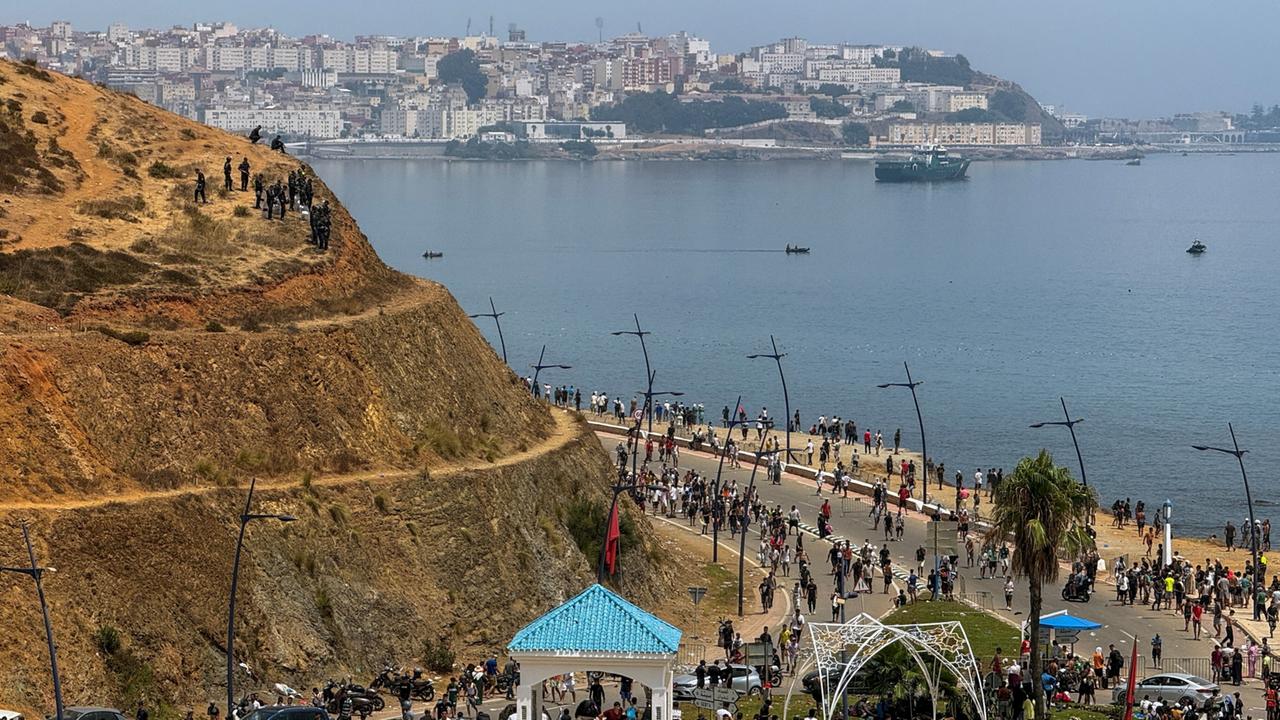
Following the mass arrival of tens of thousands of migrants in Ceuta, Spain, and their subsequent return, European leaders are convening for crisis talks. The incident has intensified discussions about EU external border security, with some member states criticizing Spain's handling and others expressing solidarity, while Italy and France have already tightened their own border controls.
Imagine a tiny bit of Spain called Ceuta, right next to Africa. Lots of people tried to cross the border there all at once, like a huge crowd trying to get into a concert. Most of them ended up going back because it was too hard to stay or go further. Now, the grown-ups in charge of Europe are having big meetings, trying to figure out how to keep their borders safe so this doesn't happen again, and some countries are even checking passports again when people travel.
Analysis
The Ceuta Influx and Its Aftermath
The recent surge of tens of thousands of migrants into the Spanish North African enclave of Ceuta, bordering Morocco, has triggered significant alarm across the European Union. While Spanish authorities report that nearly all of the estimated 50,000 irregular entrants have voluntarily returned to Morocco due to a lack of onward travel prospects and insufficient provisions, the incident has laid bare vulnerabilities in the EU's external border defenses. This mass movement, which tragically claimed at least 67 lives during sea crossings, underscores the persistent migratory pressures on Europe's southern flank.
The rapid influx and subsequent return of migrants have not only highlighted the immediate humanitarian challenges but also the complex geopolitical dynamics at play. Spanish Prime Minister Pedro Sánchez has called for an urgent EU ministerial meeting, condemning the "attitude" of certain member states, which he attributes to "prejudice, misinformation, ignorance, or political interests." This suggests a deeper rift within the EU regarding shared responsibility and a unified approach to migration management.
European Reactions and Policy Divisions
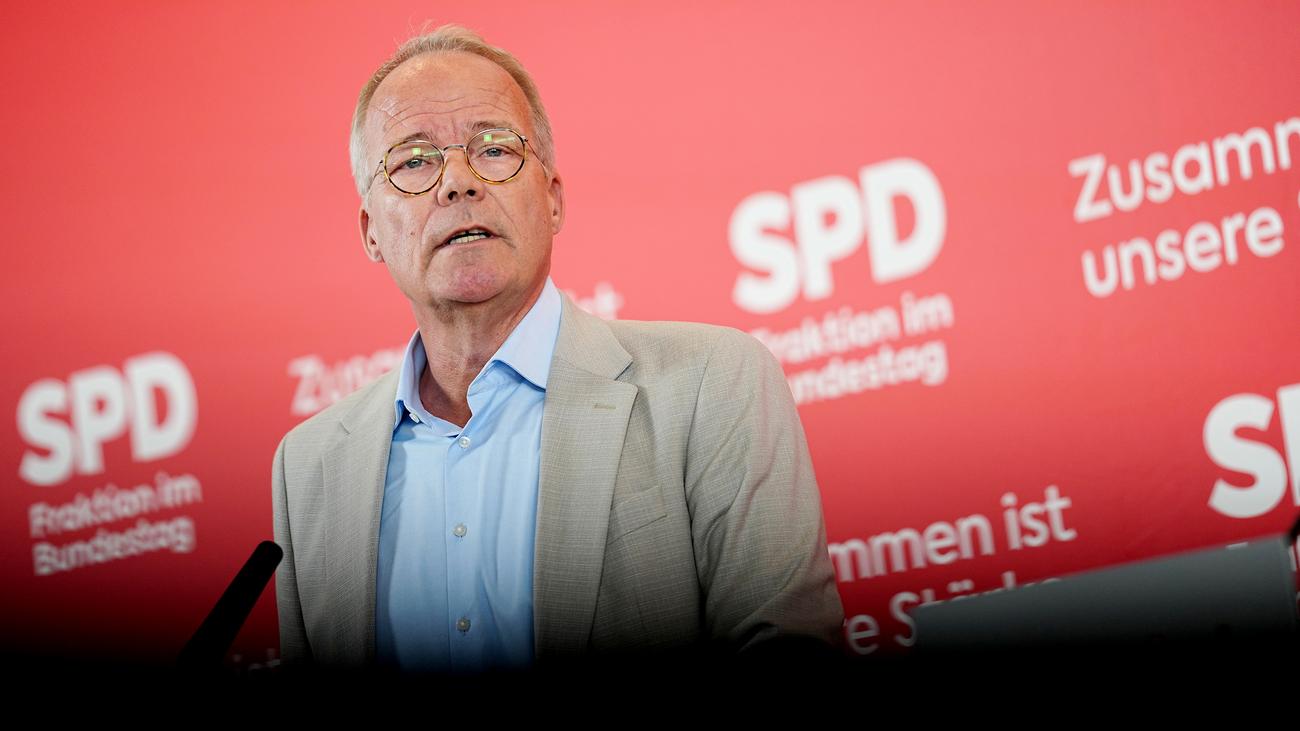
The events in Ceuta have ignited a fierce debate among EU member states, revealing divergent views on border security and solidarity. German politicians have been particularly vocal. Manfred Weber, leader of the European People's Party, criticized Spain for not utilizing European aid and advocated for a stronger Frontex, emphasizing that such an incident "must not happen to Europe." Similarly, FDP politician Marie-Agnes Strack-Zimmermann stressed that protecting the EU's external border is fundamental for the functioning of the Schengen area.
Conversely, Katarina Barley, Vice-President of the EU Parliament (SPD), expressed solidarity with Spain, suggesting that migration might be strategically used as leverage by "interested parties." She urged the EU to stand united with Spain to manage the situation. These contrasting viewpoints from German political figures reflect the broader European struggle to forge a cohesive and effective migration policy that balances humanitarian concerns with security imperatives. The temporary suspension of the Schengen Agreement by Italy and increased border controls by France further illustrate the immediate, fragmented responses from individual nations.
Implications for Schengen and EU Unity
The Ceuta incident has profound implications for the future of the Schengen Agreement and the principle of free movement within the EU. Italy's decision to reintroduce temporary border controls with Spain for air and sea travel, alongside France's reinforcement of its shared border, signals a potential erosion of the Schengen zone's integrity. These unilateral actions, driven by national security concerns, risk undermining the foundational pillars of European integration.
German Chancellor Friedrich Merz's call for Spain to quickly regain control and his assertion that external border protection is "crucial for combating illegal migration" underscore the German government's focus on security. The ongoing discussions among EU experts and the demand for a ministerial meeting highlight the urgency of finding a common European solution. The challenge lies in reconciling national interests and security fears with the need for collective responsibility and solidarity, especially when faced with complex migratory pressures that can be exploited for political ends.
Key points
- Tens of thousands of migrants recently entered the Spanish enclave of Ceuta from Morocco.
- Spanish authorities report that nearly all 50,000 irregular entrants have voluntarily returned to Morocco.
- The incident has triggered an urgent debate at the EU level regarding external border protection and migration policy.
- EU member states are divided, with some criticizing Spain's handling and others calling for solidarity.
- Italy has temporarily suspended the Schengen Agreement with Spain, reintroducing border controls for air and sea travel, while France has strengthened its border.
- German politicians have voiced strong opinions, emphasizing the need for robust EU external borders and a unified European response.
The crisis could galvanize EU member states to finally agree on a more unified and robust common migration policy, strengthening Frontex and ensuring better support for frontline countries like Spain. Increased dialogue and solidarity, as advocated by some EU officials, could lead to more effective and humane management of migratory flows.
The incident risks further fragmenting the EU's approach to migration, with more countries potentially reintroducing internal border controls, thereby weakening the Schengen area. The blame game between member states could escalate, hindering collective action and leaving frontline countries vulnerable to future migratory pressures and geopolitical leverage.