After ‘pedestrian first’ row, BMC faces fresh pushback on demolition drive in Mumbai
Mumbai's BMC faces strong opposition from corporators regarding its planned demolition drive against 39,111 unauthorized slum structures. Elected representatives claim they weren't consulted and fear displacement of marginalized communities.
Intelligence analysis by Gemini 2.5 Flash
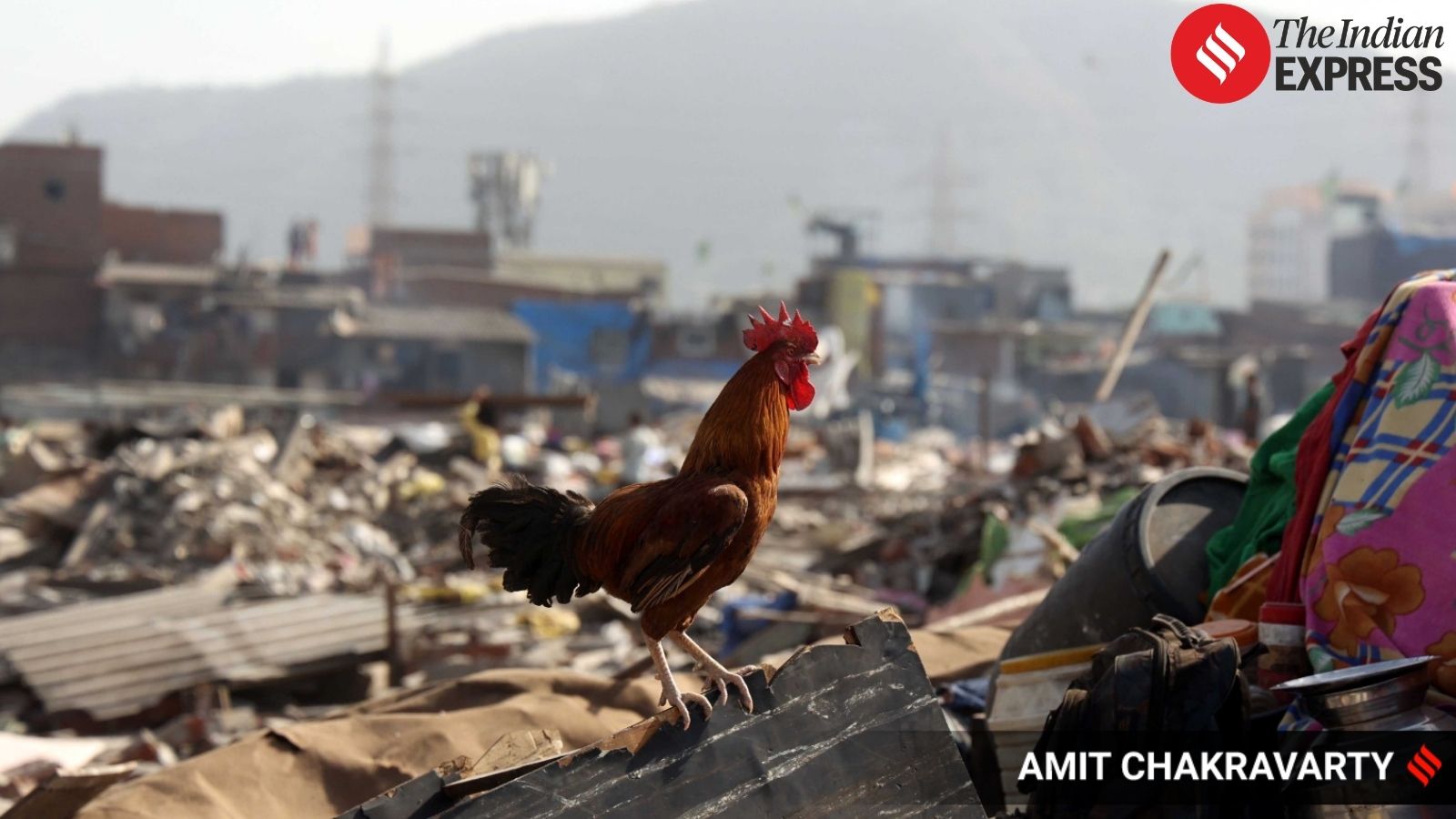
Mumbai's BMC faces significant resistance from elected representatives over its plan to demolish nearly 40,000 unauthorized slum structures. Corporators allege lack of consultation, raising concerns about the drive's socioeconomic impact on long-term residents and questioning the fairness of the selection process.
Imagine Mumbai is a big city where many families live in small homes built without official permission. The city government, BMC, plans to knock down nearly 40,000 of these homes. But local leaders are upset because they weren't asked, fearing many poor families will lose their homes. It's like if your school changed all the rules without asking students, making everyone worried.
Analysis
39,111 unauthorised housing structures
The Brihanmumbai Municipal Corporation (BMC) announced a significant three-month demolition drive targeting 39,111 unauthorized housing structures within Mumbai's slum areas, slated to commence on October 1. This extensive action follows two fatal incidents linked to illegal constructions, suggesting a renewed focus on safety and urban planning compliance. The scale of the proposed demolitions indicates a substantial effort to address long-standing issues of informal settlements in the city.
However, this ambitious plan has immediately met with considerable resistance from various political factions. Corporators from different parties have voiced strong objections, primarily citing a lack of consultation before the announcement. They argue that as people's representatives, their input should have been sought, especially given the profound impact such a drive would have on their constituents.
Ashwini Bhide
The civic chief, Ashwini Bhide, has become a central figure in this controversy, receiving direct appeals from corporators to reconsider the demolition plan. A BJP corporator, Ganesh Khankar, specifically wrote to Bhide, urging a rollback and highlighting the severe socioeconomic repercussions. Khankar's letter underscored that nearly 40% of Mumbai's population resides in slum pockets, and the administrative notices have already created widespread panic and fear among these residents.
This direct communication to Bhide reflects the corporators' attempt to influence the administrative decision-making process and ensure that the humanitarian aspect is not overlooked. The previous "pedestrian first" policy, also implemented without sufficient consultation with elected representatives, further exacerbates the current friction, suggesting a pattern of top-down decision-making that is alienating local political figures.
Yashodhar Phanse
Yashodhar Phanse, a senior Shiv Sena (UBT) corporator and member of the civic body’s standing committee, emerged as a vocal critic during a recent meeting. Phanse raised a point of order, directly questioning the administration on the criteria used to shortlist structures for demolition. He emphasized that many residents in these 14-feet houses belong to marginalized communities, including members of the indigenous East Indian Community (Gaothan), who have lived there for decades.
Phanse's intervention highlights the ethical and social justice dimensions of the drive, arguing that it is unfair to displace long-term residents overnight without clear justification or prior engagement. His concerns, echoed by Ashraf Azmi of the Congress, underscore the collective sentiment among corporators that the BMC's approach lacks transparency and empathy, potentially leading to significant social unrest and displacement.
Key points
- Mumbai's BMC plans a three-month demolition drive against 39,111 unauthorized slum structures starting October 1.
- Corporators from various parties are opposing the drive, alleging lack of consultation and questioning the selection criteria.
- Concerns are raised about the socioeconomic impact on marginalized communities, including the indigenous East Indian Community, who have lived in these structures for decades.
- BJP corporator Ganesh Khankar and Shiv Sena (UBT) corporator Yashodhar Phanse are among those demanding a rollback or re-evaluation of the plan.
- The drive follows two fatal incidents involving illegal structures, indicating a focus on safety and compliance.
If the BMC engages in meaningful consultations with corporators and community representatives, a more equitable and sustainable solution could emerge. This might involve rehabilitation plans or regularization schemes for long-standing residents, ensuring that urban development proceeds without causing undue hardship to marginalized communities. Such a collaborative approach could foster trust and lead to better urban planning outcomes.
The current pushback could escalate into significant political deadlock and social unrest, potentially delaying or completely derailing the demolition drive. If the BMC proceeds without addressing corporators' concerns, it risks alienating a large segment of the population, leading to protests, legal challenges, and further exacerbating the housing crisis for vulnerable communities in Mumbai.