AI Book Burning? Companies Are Destroying Millions of Books to Feed Chatbots
AI companies are anonymously buying physical books in bulk and destroying them after scanning them for AI training. This has raised fears that rare books are disappearing, and a federal judge has ruled that destructive scanning of legally purchased books can qualify as fa…
Intelligence analysis by Llama
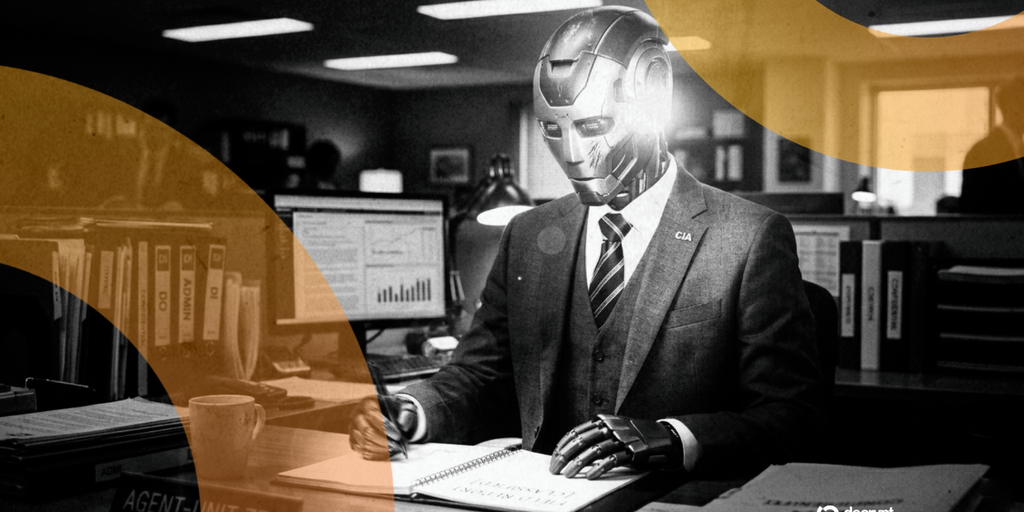
AI companies are buying and destroying millions of physical books to feed their chatbots, raising concerns about the disappearance of rare books and the implications of fair use in copyright law.
Imagine a world where companies are buying and destroying millions of books to train their computers to think and learn. This might sound like a scene from a dystopian novel, but it's actually happening. Companies are using physical books to train their AI models, and then they're getting rid of the books. This raises concerns about the loss of cultural heritage and the impact on the environment.
Analysis
A $60B Vote of Confidence
The recent surge in demand for obscure and out-of-print titles has raised fears that rare books are disappearing. This trend is largely driven by AI companies that are buying and destroying millions of physical books to feed their chatbots. The companies involved in this practice are anonymous, and the process of buying and destroying books is often shrouded in secrecy.
The destruction of physical books for AI training is a contentious issue, with some arguing that it constitutes copyright infringement. However, a federal judge has ruled that destructive scanning of legally purchased books can qualify as fair use. This ruling has significant implications for the copyright law and the way companies use physical books for AI training.
The practice of buying and destroying physical books for AI training is not new, but it has gained significant attention in recent years. The companies involved in this practice are often large tech firms that are racing to build more powerful AI models. The demand for physical books is driven by the need for diverse and representative training datasets, which are essential for developing accurate and reliable AI models.
The destruction of physical books for AI training raises several concerns. Firstly, it has the potential to erase cultural heritage and historical knowledge. Physical books contain valuable information and insights that are often lost when they are destroyed. Secondly, the destruction of physical books can have significant environmental implications. The production and transportation of physical books require significant resources and energy, and their destruction can contribute to waste and pollution.
In conclusion, the practice of buying and destroying physical books for AI training is a complex and contentious issue. While it has significant implications for copyright law and the way companies use physical books, it also raises concerns about cultural heritage, environmental sustainability, and the potential consequences of companies destroying physical books for training datasets.
Key points
- AI companies are buying and destroying millions of physical books to feed their chatbots.
- The destruction of physical books raises concerns about the loss of cultural heritage and the impact on the environment.
- A federal judge has ruled that destructive scanning of legally purchased books can qualify as fair use.
- The practice of buying and destroying physical books for AI training is a contentious issue with significant implications for copyright law.
If this development plays out positively, it could lead to more accurate and reliable AI models that can benefit society in various ways. For instance, AI models trained on diverse and representative datasets can help improve healthcare outcomes, enhance education, and drive innovation.
The downside risks of this development include the potential loss of cultural heritage, environmental degradation, and the erosion of traditional knowledge. If companies continue to prioritize AI training over the preservation of physical books, it could have significant consequences for future generations.