Airbus to test folding wings for next generation of bestselling planes
Airbus will test folding wings for its next generation of bestselling planes to solve the problem of longer, thinner wings not fitting in airports around the world.
Intelligence analysis by Llama
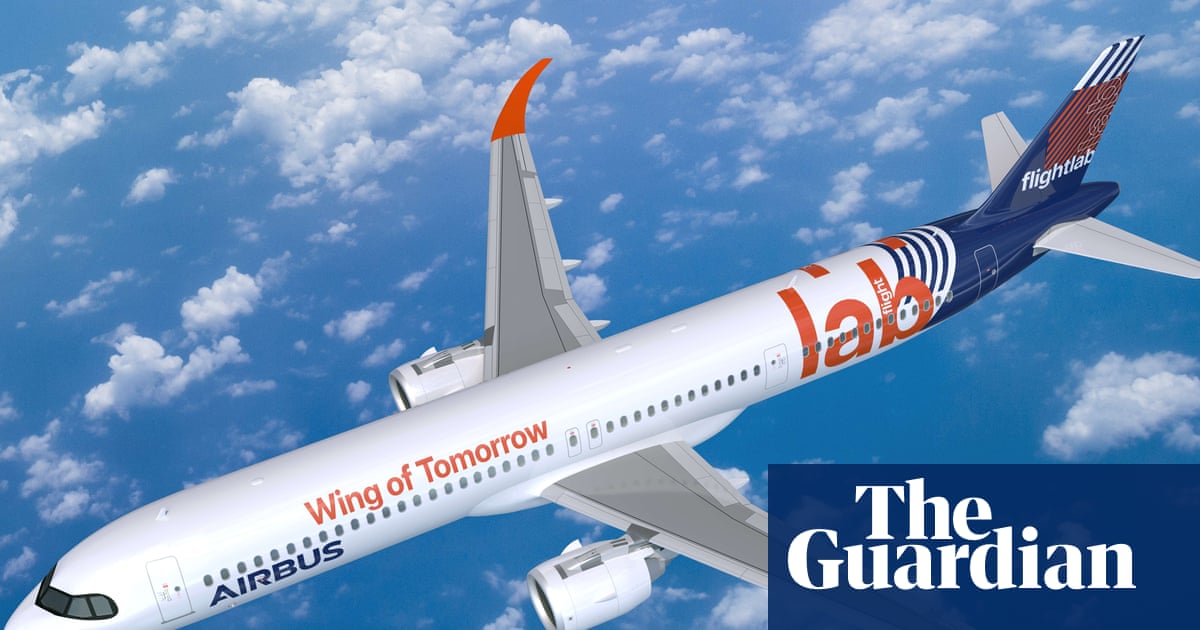
Airbus is racing to work out the shape of future commercial aircraft by the end of the decade. The company will test folding wings for its next generation of bestselling planes to solve the problem of longer, thinner wings not fitting in airports around the world.
Imagine a plane with wings that can fold up like a gull's wing. This would allow the plane to take off and land in smaller spaces, reducing congestion in airports and increasing efficiency. Airbus is testing this technology for its next generation of bestselling planes.
Analysis
A $60B Vote of Confidence
Airbus's decision to test folding wings for its next generation of bestselling planes is a significant development in the aviation industry. The company's wing of tomorrow programme, led by Sue Partridge, is working on a solution to the problem of longer, thinner wings not fitting in airports around the world. The value of being able to fold the wings is huge, according to Partridge, and Airbus is racing to work out the shape of future commercial aircraft by the end of the decade.
Why Cursor?
The European manufacturer and its bitter US rival Boeing are gearing up to make the next generation of planes after decades of selling their respective A320 and 737 models. Both companies are looking at technologies that they hope will significantly cut down energy usage, including new engines, hybrid electric systems, and longer wings. Airbus is about to start the assembly of the wing extension in its factory in Broughton, north Wales, and the company has said it will decide on the shape of its new aircraft by 2030.
The Road Ahead
Airbus and Boeing will also have to choose new engines. Airbus is considering whether to go with covered engines that encase the fan blades or an open fan option with the blades exposed. The British manufacturer Rolls-Royce is hoping to break into the market for higher-selling single-aisle planes when Airbus and Boeing make their next generation. The Rolls-Royce chief executive, Tufan Erginbilgiç, on Tuesday told reporters at Farnborough that the company had only two years to persuade the plane manufacturers to choose its engines.
Key points
- Airbus will test folding wings for its next generation of bestselling planes to solve the problem of longer, thinner wings not fitting in airports around the world.
- The company's wing of tomorrow programme is working on a solution to this problem, led by Sue Partridge.
- Airbus and Boeing are gearing up to make the next generation of planes after decades of selling their respective A320 and 737 models.
- Both companies are looking at technologies that they hope will significantly cut down energy usage, including new engines, hybrid electric systems, and longer wings.
If Airbus's folding wing technology is successful, it could lead to a significant reduction in energy usage and emissions for commercial aircraft. This could also enable planes to take off and land in smaller spaces, reducing congestion in airports and increasing efficiency.
However, the development of folding wings for commercial aircraft is a complex and challenging task. There are many technical and logistical hurdles to overcome, and it may take several years for the technology to be fully implemented.