Algeria: Khalida Boufedeche, First Woman Elected to Head the National People's Assembly
Khalida Boufedeche has been elected as the first female president of Algeria's National People's Assembly, making her the fourth most important figure in the state.
Intelligence analysis by Gemini 2.5 Flash
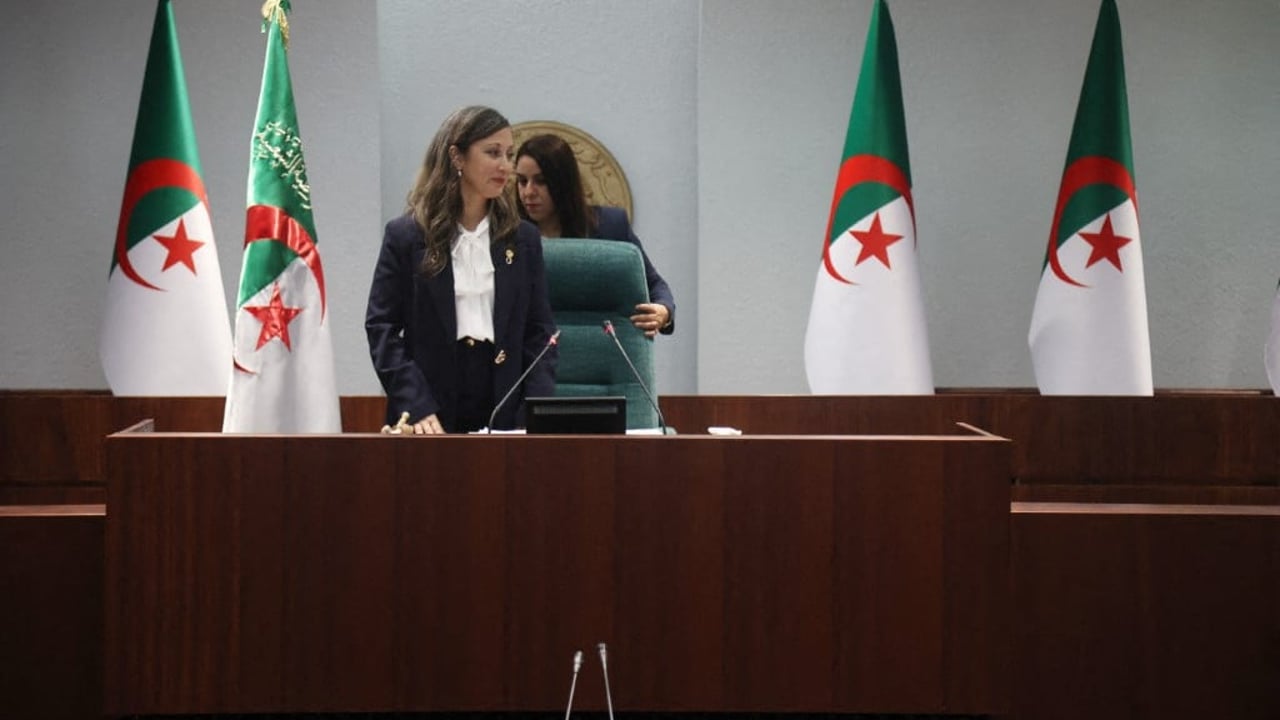
Khalida Boufedeche, a deputy from the ruling National Liberation Front (FLN) party, has made history by becoming the first woman to lead Algeria's lower house of parliament. This significant appointment follows legislative elections where the FLN secured the most seats, despite a record-low voter turnout.
Imagine Algeria just chose a new leader for its big talking-house, like a school principal for all the grown-up decision-makers. For the very first time, they picked a woman named Khalida! Even though not many people voted in the last election, and there aren't many women in the talking-house, Khalida's new job is a really big deal for girls and women in Algeria.
Analysis
A Historic Political Milestone
Khalida Boufedeche's election as the president of Algeria's National People's Assembly (APN) on July 28, 2026, represents a groundbreaking moment in the country's political landscape. As an allergist doctor and a deputy from Algiers, her ascent to this position makes her the fourth most important figure in the Algerian state. Her background includes prior electoral successes at the communal level in Bordj El Bahri and within the Algiers wilaya assembly, demonstrating a consistent engagement in local governance before reaching the national stage. This achievement is particularly significant given the historical context of Algerian politics, which has traditionally seen men dominate such high-profile roles.
The FLN's Continued Dominance Amidst Low Turnout
Boufedeche's election comes from within the ranks of the National Liberation Front (FLN), the historic party of independence and a political force closely aligned with the current power structure. The FLN emerged as the leading party in the legislative elections held on July 2, securing 91 out of 407 seats in the APN. However, this victory was overshadowed by a record-low voter participation rate of just 21.24%, the lowest ever recorded in Algeria's history. Other parties considered close to the presidential majority, such as the National Democratic Rally (RND) with 74 seats and the El Moustakbal Front with 56 seats, also performed strongly, reinforcing the existing political alignment despite the public's apparent disengagement.
Challenges to Female Representation
While Boufedeche's individual achievement is celebrated, the broader context of female representation in the current legislature presents a more complex picture. Despite women constituting 49% of the Algerian population, only 25 women were elected in the recent legislative elections, accounting for a mere 6.14% of the total seats. This figure represents a significant decline compared to previous elections, where 38 women were elected in 2021 and a substantial 118 in 2017, the latter having benefited from a quota system. This disparity highlights ongoing challenges in achieving equitable gender representation in Algerian politics, even as a woman now holds a top leadership position.
Key points
- Khalida Boufedeche is the first woman elected president of Algeria's National People's Assembly.
- She is a deputy from the ruling National Liberation Front (FLN) party and an allergist by profession.
- Her election makes her the fourth most important figure in the Algerian state.
- The recent legislative elections saw the FLN win the most seats but were marked by a record-low 21.24% voter turnout.
- Only 25 women were elected to the assembly, representing 6.14% of seats, a significant decrease from previous elections.
Boufedeche's elevation to such a prominent position could inspire more women to enter politics and challenge traditional gender roles in Algerian society, potentially paving the way for increased female participation in future elections and governance. Her leadership might also bring fresh perspectives to the National People's Assembly.
Despite this historic appointment, the overall low number of women elected in the recent legislative elections, coupled with the record-low voter turnout, suggests a broader disengagement from the political process and persistent challenges in achieving equitable gender representation beyond symbolic roles. The FLN's continued dominance amidst low participation could also indicate a lack of significant political change.