Algeria: The Sheep Import Operation for Eid Turns into a Scandal
An initiative by Algerian President Abdelmadjid Tebboune to import one million sheep for Eid al-Adha has devolved into a major fraud scandal, potentially jeopardizing the position of Agriculture Minister Yacine Oualid.
Intelligence analysis by Gemini 2.5 Flash
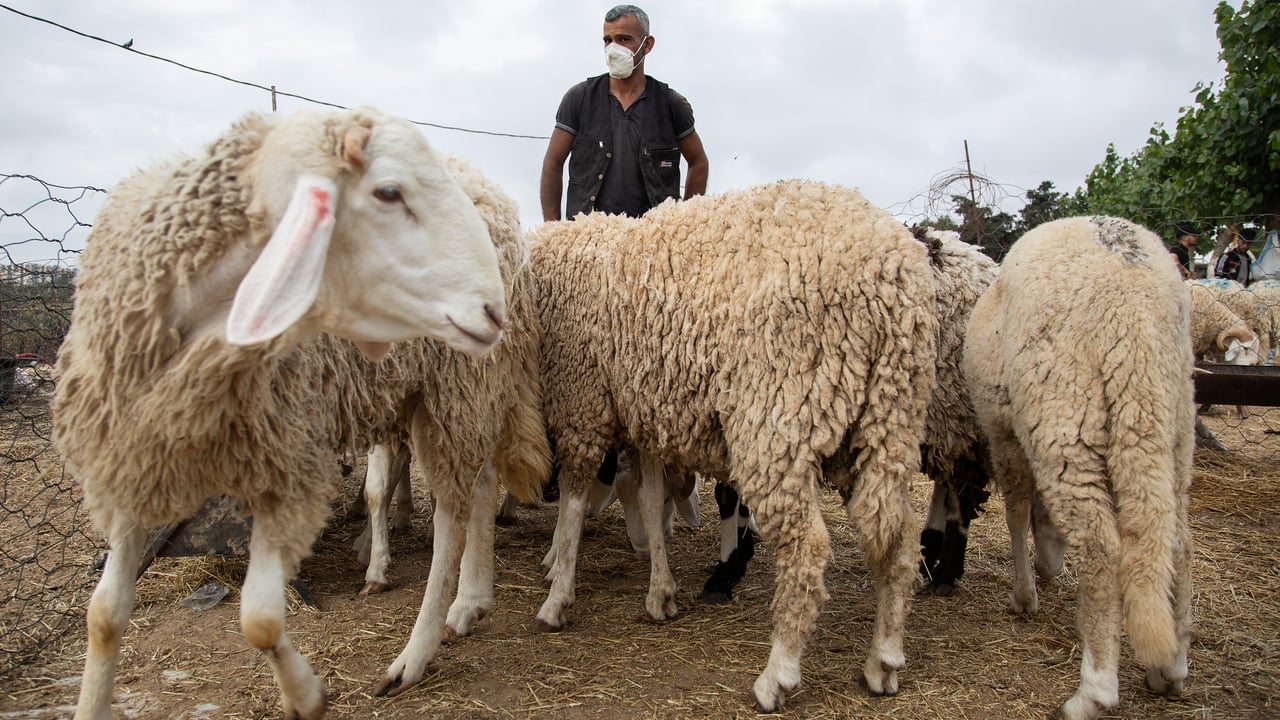
President Tebboune's directive to import a million sheep for the upcoming Eid al-Adha festival in Algeria has been marred by widespread fraudulent activities. This significant setback has transformed a presidential initiative into a public scandal, raising questions about government oversight and potentially leading to the dismissal of a key minister, despite initial praise from state…
Imagine the government wanted to make sure everyone could get a special sheep for a big holiday, like getting a turkey for Thanksgiving. So, they decided to buy a million sheep from other countries. But instead of all those sheep arriving safely and fairly, it seems like some people cheated, and now there's a big mess, like when you buy a big bag of candy but find it's mostly empty wrappers. The person in charge of getting the sheep might get into big trouble, and everyone is upset.
Analysis
The Eid Sacrifice and Government Intervention
Eid al-Adha, also known as the Festival of Sacrifice, is one of the most significant holidays in the Islamic calendar, during which Muslims traditionally sacrifice an animal, often a sheep, to commemorate Prophet Ibrahim's devotion. In Algeria, ensuring the availability and affordability of sacrificial animals is a matter of public importance and often requires government intervention, especially when local supply struggles to meet demand. President Abdelmadjid Tebboune's administration, recognizing this need, launched an ambitious operation to import one million sheep specifically for the 2026 Eid al-Adha celebrations.
This large-scale import initiative was intended to stabilize prices, prevent shortages, and ensure that Algerian families could fulfill the religious obligation without undue financial burden. Initially, the government-aligned newspaper El Moudjahid lauded the operation as a success, using phrases like "Pari gagné" (bet won) and "défi relevé" (challenge met). Such pronouncements underscored the administration's desire to present the initiative as a triumph of state planning and a testament to its commitment to its citizens' welfare.
Unraveling the Fraudulent Scheme
Despite the initial celebratory tone, the sheep import operation quickly unraveled, turning into what the article describes as a "vaste fraude" (vast fraud). While the specific details of how the fraud was perpetrated are not fully elaborated in the provided text due to the paywall, the implication is that significant irregularities, corruption, or mismanagement occurred within the procurement and distribution process. This suggests that the intended benefits of the import operation—such as ensuring a fair supply and price for consumers—were undermined by illicit activities.
Such a large-scale fraud in a high-profile government initiative carries severe consequences. It not only means that public funds may have been misappropriated but also that the very purpose of the operation, to serve the public during a sacred holiday, was compromised. The scandal points to potential weaknesses in oversight mechanisms and accountability within the government's procurement processes, allowing fraudulent actors to exploit a critical public service initiative for personal gain.
Political Fallout and Accountability
The immediate political fallout of this scandal is significant, with the article highlighting that it "pourrait coûter son poste au ministre de l’Agriculture, Yacine Oualid." Minister Oualid, who is reportedly considered a protégé of President Tebboune, now faces the prospect of losing his position. This indicates the seriousness with which the administration views the fraud and the need to assign accountability, even to high-ranking officials.
The potential dismissal of a minister, especially one close to the president, underscores the political sensitivity of the issue and the pressure on the government to address public outrage. Beyond Oualid's fate, the scandal could also reflect poorly on President Tebboune's administration, raising questions about its ability to manage large-scale projects and combat corruption effectively. The incident serves as a stark reminder of the challenges faced by governments in ensuring transparency and integrity in public service delivery, particularly in sectors prone to exploitation.
Key points
- Algerian President Abdelmadjid Tebboune ordered the importation of one million sheep for Eid al-Adha.
- The large-scale import operation has devolved into a "vast fraud" scandal.
- Agriculture Minister Yacine Oualid, a reported protégé of the president, is at risk of losing his position due to the scandal.
- The government newspaper El Moudjahid initially praised the operation as a success before the fraud came to light.
The scandal could further erode public trust in the Algerian government's ability to manage large-scale projects and combat corruption, potentially leading to increased public discontent. It may also result in higher prices for sacrificial animals for citizens, as the failed import operation could disrupt supply and create market instability.