Eskom confirms no radiation leak at Koeberg Unit 2
Eskom confirmed that no radiation leak occurred at Koeberg Nuclear Power Station's Unit 2 during routine maintenance, classifying the incident as Level 0 (no safety significance) on the international scale.
Intelligence analysis by Gemini 2.5 Flash
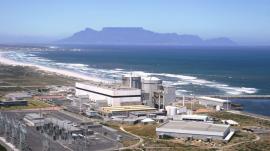
During scheduled steam generator inspections at Koeberg Unit 2, highly sensitive equipment detected two brief, localized airborne radioactivity events within a controlled work area. Eskom assured that these detections, caused by microscopic oxide particles, were fully contained, posed no risk to personnel or the environment, and demonstrated the effectiveness of the plant's safety sys…
Imagine a big power plant that uses tiny atoms to make electricity. Sometimes, when they clean or check the inside parts, a tiny bit of harmless dust, like glitter, can float in the air for a moment. But this plant has super-smart alarms and strong walls, like a sealed jar, that caught all the dust right away, so none of it escaped outside, and everyone was safe.
Analysis
The Nature of the Incident and Its Classification
During routine maintenance inspections in July at Koeberg Nuclear Power Station's Unit 2, highly sensitive radiation monitoring equipment detected two brief and localized airborne radioactivity events. These occurred inside a controlled work area within the containment building on July 2 and 7. Eskom clarified that these events were caused by minute quantities of microscopic oxide particles, commonly known as "crud," becoming airborne during Eddy Current Testing (ECT) – a standard non-destructive inspection method used globally to assess steam generator tubes. The utility emphasized that such minor airborne particulate events are a recognized phenomenon in pressurised water reactors worldwide.
Crucially, Eskom classified the incident as Level 0 on the International Nuclear and Radiological Event Scale (INES), which signifies no safety significance and is the lowest possible rating. This classification indicates that the event had no impact on nuclear safety, plant operations, employees, the public, or the environment. The National Nuclear Regulator (NNR) was promptly notified, adhering to all regulatory requirements, further demonstrating adherence to established safety protocols.
Koeberg's Safety Protocols in Action
The incident served as a testament to the robust safety systems and multiple layers of containment designed into the Koeberg plant. Eskom highlighted that these systems functioned exactly as intended. Physical containment barriers, high-efficiency particulate air (HEPA) filtration operating under negative pressure, continuous airborne radiation monitoring through Constant Air Monitors (CAMs), and comprehensive radiation protection measures for personnel were all in place and effective. When the monitoring equipment detected the temporary increase in airborne activity, it automatically triggered an alarm.
In response to the alarm, plant personnel immediately halted the inspection, secured the work area, and allowed the ventilation and filtration systems to remove the airborne particles. Required radiological assessments were carried out before maintenance resumed. These swift and decisive actions successfully contained the material within the designated work area and restored conditions to normal operating parameters, preventing any release of radioactive material beyond the plant's protective barriers. The event demonstrated the effectiveness of Koeberg's "defence-in-depth" approach, with early detection and control of the transient.
Reassurance and Broader Implications
Eskom's prompt and transparent communication regarding the incident is vital for maintaining public trust, especially concerning nuclear energy. The utility reiterated its commitment to upholding the highest standards of nuclear safety, regulatory compliance, and transparency in the operation of South Africa's sole nuclear power station. This assurance is particularly significant given the country's ongoing energy challenges and the critical role Koeberg plays in providing stable power generation.
The successful containment and management of this minor event underscore the reliability of Koeberg's safety infrastructure and operational procedures. While any mention of radioactivity can cause public concern, Eskom's detailed explanation and the Level 0 classification aim to allay fears by demonstrating that the plant's systems are capable of handling such occurrences without compromising safety. The incident had no impact on the safe operation of the power station, maintenance activities, or the planned completion date of the Unit 2 outage, which remains on schedule to return to service in November.
Key points
- Eskom confirmed no radiation leak occurred at Koeberg Unit 2 during routine maintenance.
- The incident involved two brief, localized airborne radioactivity events inside a controlled work area.
- The events were caused by microscopic oxide particles ("crud") during steam generator inspections.
- The incident was classified as Level 0 (no safety significance) on the INES scale.
- Koeberg's multiple layers of safety and containment systems functioned as designed, fully containing the material.
The successful containment of the airborne particles and the proper functioning of all safety systems demonstrate Koeberg's robust operational integrity. This incident reinforces confidence in South Africa's nuclear safety protocols and Eskom's ability to manage potential issues effectively, ensuring continued reliable energy supply.
Despite Eskom's assurances, any report of airborne radioactivity, however minor, could fuel public anxiety or skepticism about nuclear power safety. This might lead to increased scrutiny or calls for more stringent oversight, potentially impacting future energy policy discussions in South Africa.