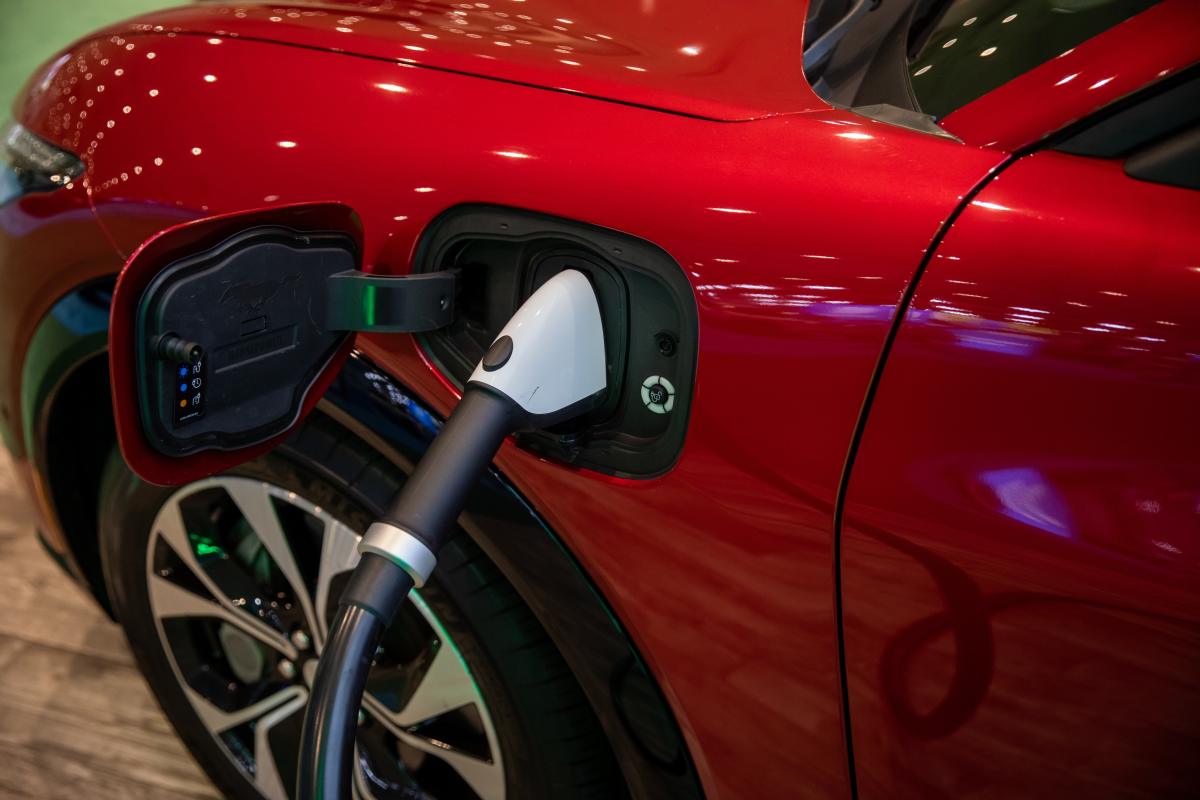
All the EVs that were discontinued or killed off in the U.S. this year
The Honda Prologue is officially dead, and it's not the only EV to be discontinued or killed off in the U.S. this year. The demise of the Prologue signals a broader EV industry retreat from the U.S. market. Other EVs that have left the U.S. include the Afeela, Honda O Ser…
Intelligence analysis by Llama

The EV industry is retreating from the U.S. market, with several EVs being discontinued or killed off this year. The demise of the Honda Prologue is a signal of this broader trend, and other EVs such as the Afeela and Hyundai Ioniq 6 are also being phased out.
Imagine you're at a store, and you see a bunch of cool new toys that you really want to buy. But then, the store owner says that they're not going to sell those toys anymore because they're not making enough money. That's kind of what's happening with the EV industry in the U.S. - the companies that make EVs are saying that they're not making enough money, so they're stopping production. It's like the store owner is taking away all the cool new toys that you wanted to buy.
Analysis
A $60B Vote of Confidence
The demise of the Honda Prologue is a significant blow to the EV industry in the U.S. The Prologue was a product of a partnership between Honda and General Motors, and its cancellation signals a broader trend of automakers pulling out of the U.S. market. The reasons behind this trend are complex and multifaceted, but they can be boiled down to a few key factors. Firstly, the end of the $7,500 federal tax credit had a significant impact on EV sales in the U.S. The tax credit was a major incentive for consumers to purchase EVs, and its removal has led to a decline in sales. Secondly, tariffs and changing consumer tastes have also played a role in the decline of the EV industry in the U.S. The tariffs imposed on imported EVs have made them more expensive for consumers, while changing consumer tastes have led to a shift away from EVs and towards more traditional vehicles. Finally, costs and company priorities have also contributed to the decline of the EV industry in the U.S. Automakers have been struggling to make a profit on EVs, and many have decided to focus on more profitable lines of business. The cancellation of the Prologue is a signal of this trend, and it's likely that other EVs will follow suit.
Why Cursor?
The Afeela, a joint venture between Sony and Honda, was another EV that was discontinued this year. The Afeela was a highly anticipated vehicle that was supposed to be a flagship model for the joint venture. However, the project was cancelled in March 2026, and the Afeela never made it to production. The cancellation of the Afeela was a significant blow to the joint venture, and it's likely that the partnership will struggle to recover from this setback.
The Road Ahead
The cancellation of the Prologue and the Afeela are significant blows to the EV industry in the U.S. However, they are not the only EVs to be discontinued or killed off this year. Other EVs such as the Hyundai Ioniq 6, Nissan Ariya, and Polestar vehicles have also been phased out. The reasons behind this trend are complex and multifaceted, but they can be boiled down to a few key factors. The end of the $7,500 federal tax credit, tariffs, changing consumer tastes, costs, and company priorities have all contributed to the decline of the EV industry in the U.S. As the industry continues to evolve, it's essential to understand the reasons behind this trend and its potential consequences.
Key points
- The Honda Prologue is officially dead, and it's not the only EV to be discontinued or killed off in the U.S. this year.
- The demise of the Prologue signals a broader EV industry retreat from the U.S. market.
- Other EVs that have left the U.S. include the Afeela, Honda O Series, Hyundai Ioniq 6, Nissan Ariya, and Polestar vehicles.
- The reasons behind this trend are complex and multifaceted, but they can be boiled down to a few key factors.
- The end of the $7,500 federal tax credit, tariffs, changing consumer tastes, costs, and company priorities have all contributed to the decline of the EV industry in the U.S.
Despite the cancellation of several EVs, there are still signs of a slow recovery in the industry. For example, EV sales in the fourth quarter of 2025 were 36% lower than the same period in 2024, but this year that gap has narrowed. Additionally, new EVs such as the Rivian R2 are entering the market, which could help to boost sales. However, it's still unclear whether the industry will be able to recover fully from the decline of the $7,500 federal tax credit.
The cancellation of several EVs is a significant blow to the industry, and it's unclear whether the industry will be able to recover fully. The reasons behind this trend are complex and multifaceted, and it's likely that the industry will continue to struggle in the short term. Additionally, the end of the $7,500 federal tax credit has made it more difficult for consumers to purchase EVs, which could further exacerbate the decline of the industry.