AMC chief criticizes Robinhood’s tokenized stock plan
AMC CEO Adam Aron criticized Robinhood's tokenized stock offerings as unregulated in the US and announced an investigation by external securities counsel, citing no affiliation with AMC shares.
Intelligence analysis by Gemini 2.5 Flash

Adam Aron, CEO of AMC Entertainment Holdings, publicly denounced Robinhood's tokenized stock products, which offer economic exposure to AMC shares, labeling them as 'outrageous' and unregistered under US securities laws. He stated AMC has no affiliation with these offerings and will seek an investigation, while Robinhood's CEO, Vlad Tenev, requested clarification on Aron's concerns.
Imagine a company like AMC has shares, which are like tiny pieces of ownership. Now, some apps like Robinhood are trying to create 'digital copies' of these shares on a special computer network, called tokenized stocks. But the boss of AMC, Adam Aron, is saying these digital copies are not real or approved by his company, and they might not even be allowed by the rules in places like the US. He's worried people might get confused or tricked, so he's asking lawyers to investigate if these digital copies are fair and legal.
Analysis
Adam Aron
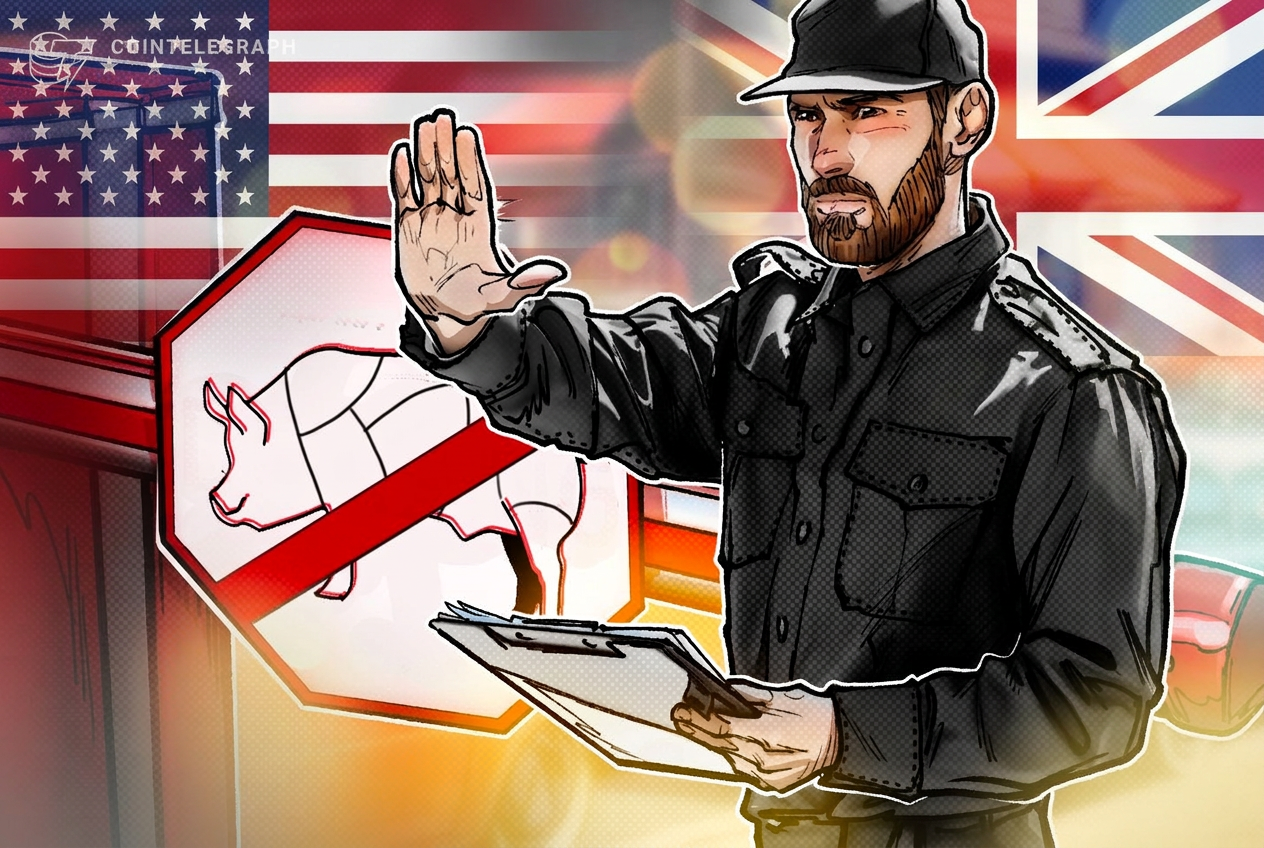
Adam Aron, the CEO of AMC Entertainment Holdings, has taken a strong stance against Robinhood's tokenized stock offerings, specifically those purporting to provide economic exposure to AMC shares. Aron publicly expressed his disapproval via an X post, asserting that these offerings are not registered under US securities laws and are an "outrageous" proposition. He emphasized that AMC has no affiliation with these tokenized products, signaling a clear separation between the traditional company and the blockchain-based derivatives.
Furthermore, Aron announced that AMC would request an investigation into the matter from its outside securities counsel. His criticism extends to the geographical restrictions on these tokenized stocks, noting they may not be offered to US investors and face limitations in other jurisdictions such as Canada, Switzerland, and the UK. This move by a prominent CEO underscores the growing tension between traditional financial markets and the burgeoning world of tokenized assets, particularly when regulatory clarity is lacking.
Robinhood Chain
Robinhood's foray into tokenized assets is part of a broader strategic push, as evidenced by its initiatives like Robinhood Chain. In February, the company launched a public testnet for Robinhood Chain, an Ethereum layer-2 network built using Arbitrum technology, designed to host tokenized assets. This development follows earlier plans shared in October 2025, where Robinhood outlined its intention to tokenize nearly 500 US stocks and exchange-traded funds (ETFs) on Arbitrum.
The first generation of Robinhood stock tokens, launched in July 2026, were structured as tokenized debt securities issued by Jersey-based Robinhood Assets. These ERC-20 tokens aimed to provide economic exposure to underlying assets like US stocks and ETFs. Bernstein analysts, in July 2026, even raised their price target on Robinhood Markets, predicting that tokenized equities and prediction markets, rather than traditional crypto trading, would drive the platform's next phase of growth. This indicates a significant commitment from Robinhood to this new asset class, despite the current regulatory headwinds and public criticism.
SpaceX IPO
The recent criticism from AMC's CEO is not an isolated incident but rather the latest in a series of scrutinies targeting tokenized stocks. The article notes that tokenized stock offerings previously came under fire when several crypto exchanges canceled their SpaceX IPO allocations in June. Platforms including Bybit, Binance, Bitget Wallet, and MEXC reportedly halted their tokenized SpaceX IPO campaigns as SpaceX went public on the Nasdaq.
Several of these platforms attributed the cancellations to Kraken-owned xStocks' inability to deliver the underlying assets, highlighting a critical issue regarding the backing and deliverability of tokenized securities. This incident, coupled with Adam Aron's current remarks, underscores the inherent risks and complexities associated with tokenized stocks, particularly concerning their regulatory status, underlying asset backing, and the potential for investor confusion or lack of recourse in an unregulated environment. The repeated challenges suggest a need for greater transparency and robust regulatory frameworks to ensure the integrity and stability of these innovative financial products.
Key points
- AMC CEO Adam Aron criticized Robinhood's tokenized stock offerings as unregulated in the US.
- Aron stated AMC has no affiliation with these tokenized shares and will request an investigation by external securities counsel.
- Robinhood's tokenized stocks are reportedly subject to restrictions in the US, Canada, Switzerland, and the UK.
- Robinhood co-founder Vlad Tenev responded by asking Aron to specify his concerns.
- Robinhood has been actively developing its tokenization initiatives, including Robinhood Chain, to host tokenized assets.
If regulatory clarity emerges and tokenized stock offerings can demonstrate robust backing and compliance, platforms like Robinhood could see significant growth, as predicted by Bernstein analysts. This could open new avenues for investors to gain exposure to traditional assets through blockchain technology, potentially increasing market accessibility and efficiency.
The ongoing criticism and potential regulatory investigations could lead to a crackdown on tokenized stock offerings, forcing platforms to halt or significantly alter their products. This could result in investor uncertainty, legal challenges, and a slowdown in the adoption of tokenized assets if the lack of clear affiliation and regulatory oversight persists.