Andhra Pradesh High Court grants divorce to couple in their 70s, says no chance of reunion
The Andhra Pradesh High Court has granted a divorce to a 70-year-old woman and a 72-year-old man who had been separated for 49 years, waiving the mandatory six-month cooling-off period.
Intelligence analysis by Gemini 2.5 Flash
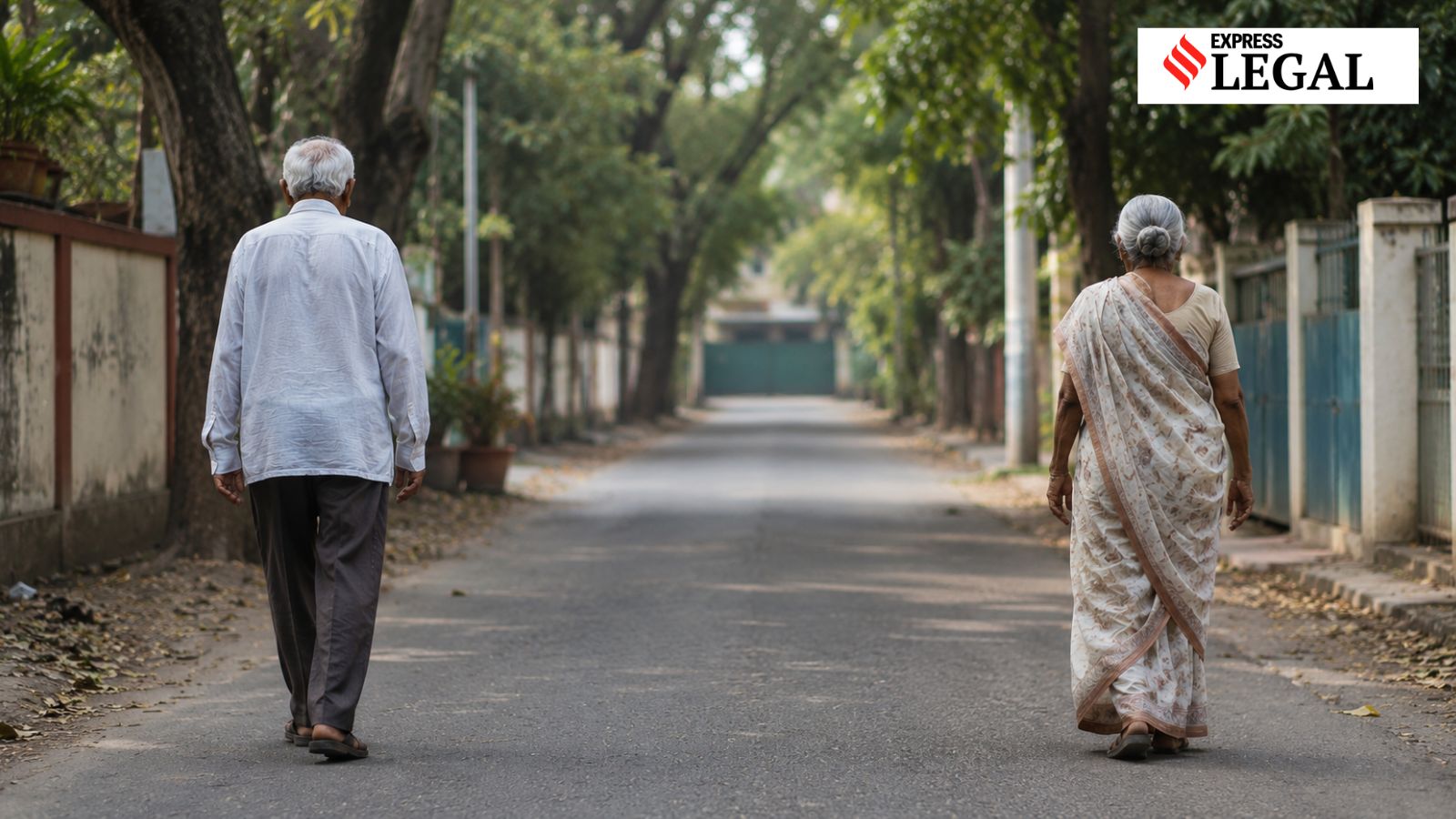
The Andhra Pradesh High Court dissolved the marriage of an elderly couple, aged 70 and 72, who had been living apart for 49 years, by mutual consent. The court waived the mandatory cooling-off period, citing no chance of reunion and highlighting a legal shift from viewing Hindu marriage as an "indissoluble sacrament" to a "contractual agreement."
Imagine two grown-ups who got married a very, very long time ago, almost 50 years! But soon after, they decided they couldn't live together and lived separately for all those years. Now that they are in their 70s, a special court in India said, "You've been apart for so long, and you both agree you want to be officially unmarried, so we'll let you do it right away." This is a bit like when you and a friend decide you don't want to play together anymore, and instead of making you wait, a grown-up says it's okay to just stop playing now.
Analysis
The recent decision by the Andhra Pradesh High Court to grant a divorce to a couple in their 70s, who had been separated for nearly five decades, underscores a significant shift in the judicial approach to Hindu marriage in India. The court's willingness to waive the statutory six-month cooling-off period reflects a pragmatic understanding of marital breakdown, especially when there is no realistic prospect of reconciliation. This ruling provides a precedent for similar cases where prolonged separation and mutual consent are evident, potentially streamlining the divorce process for other couples facing similar circumstances.
49 years
The couple in question, a 70-year-old woman and a 72-year-old man, had been living separately since September 1978, marking an astonishing 49 years of estrangement. This exceptionally long period of separation was a critical factor in the High Court's decision to waive the cooling-off period, as Justices Battu Devanand and Sunitha Gandham concluded there were "absolutely no chances of reunion." The duration of their separation effectively demonstrated an irreparable breakdown of the marriage, making any further delay in formalizing their divorce unnecessary and potentially burdensome.
Initially, the husband had sought divorce on grounds of cruelty and desertion, with the family court granting his plea in June 2024. However, during the High Court appeal, the couple reached a mutual settlement, agreeing to dissolve their marriage by consent. This shift to mutual consent, even after decades of litigation, highlights the court's emphasis on facilitating an amicable resolution when both parties are ready to move forward, rather than prolonging a contentious legal battle.
Battu Devanand
Justices Battu Devanand and Sunitha Gandham presided over the case, delivering an order that emphasized the legislature's intent to provide easier mechanisms for dissolving Hindu marriages by mutual consent. Their judgment explicitly described this as a departure from the traditional view of marriage as an "indissoluble sacrament" towards a more modern understanding of it as a "contractual agreement." This judicial interpretation is crucial, as it acknowledges the evolving societal perspectives on marriage and divorce within the framework of Hindu law.
By waiving the cooling-off period, the High Court demonstrated its discretionary power to expedite divorce proceedings in exceptional circumstances. The court noted that it had made efforts to advise the couple to continue their marriage, but their "strained relationship" and the very long period of separation left no room for reconciliation. This approach prioritizes the well-being and autonomy of the individuals involved, allowing them to conclude their marital disputes efficiently.
Rs 20,000
As part of the mutual consent agreement reached during the High Court proceedings, the husband agreed to pay Rs 20,000 per month as maintenance to the wife. This financial arrangement was a key component of their settlement, ensuring the wife's financial security post-divorce. Additionally, both parties agreed to withdraw other pending legal cases, including a criminal case filed by the husband and another case by the wife, signifying a comprehensive resolution to their long-standing disputes.
This financial settlement and the withdrawal of other cases underscore the practical benefits of mutual consent divorces, particularly for elderly couples. It allows for a clean break, resolving not only the marital status but also associated legal and financial entanglements. The court's role in facilitating such an agreement, rather than forcing continued litigation, reflects a compassionate and efficient application of justice, enabling the couple to find closure after nearly five decades of separation.
Key points
- The Andhra Pradesh High Court granted divorce to a 70-year-old woman and a 72-year-old man who had been separated for 49 years.
- The court waived the mandatory six-month cooling-off period, citing "absolutely no chances of reunion" between the couple.
- The ruling signifies a shift from viewing Hindu marriage as an "indissoluble sacrament" to a "contractual agreement."
- The divorce was granted by mutual consent, with the husband agreeing to pay Rs 20,000 per month in maintenance to the wife.
- Both parties also agreed to withdraw other pending criminal and civil cases as part of the settlement.
This ruling could pave the way for other elderly couples in India who have been separated for extended periods to more easily obtain a divorce by mutual consent, reducing prolonged litigation and offering them closure in their later years. It reflects a progressive legal stance that prioritizes individual autonomy and practical realities over rigid adherence to traditional norms, potentially leading to more humane and efficient judicial processes for marital dissolution.