‘Fault in Indian DNA’: Sarabhai vs Sarabhai actor calls out tourists for littering in Himachal
Actor Sumeet Raghvan posted an Instagram video criticizing tourists for extensively littering Himachal Pradesh's Tattapani hot springs, urging the state government to implement strict measures.
Intelligence analysis by Gemini 2.5 Flash
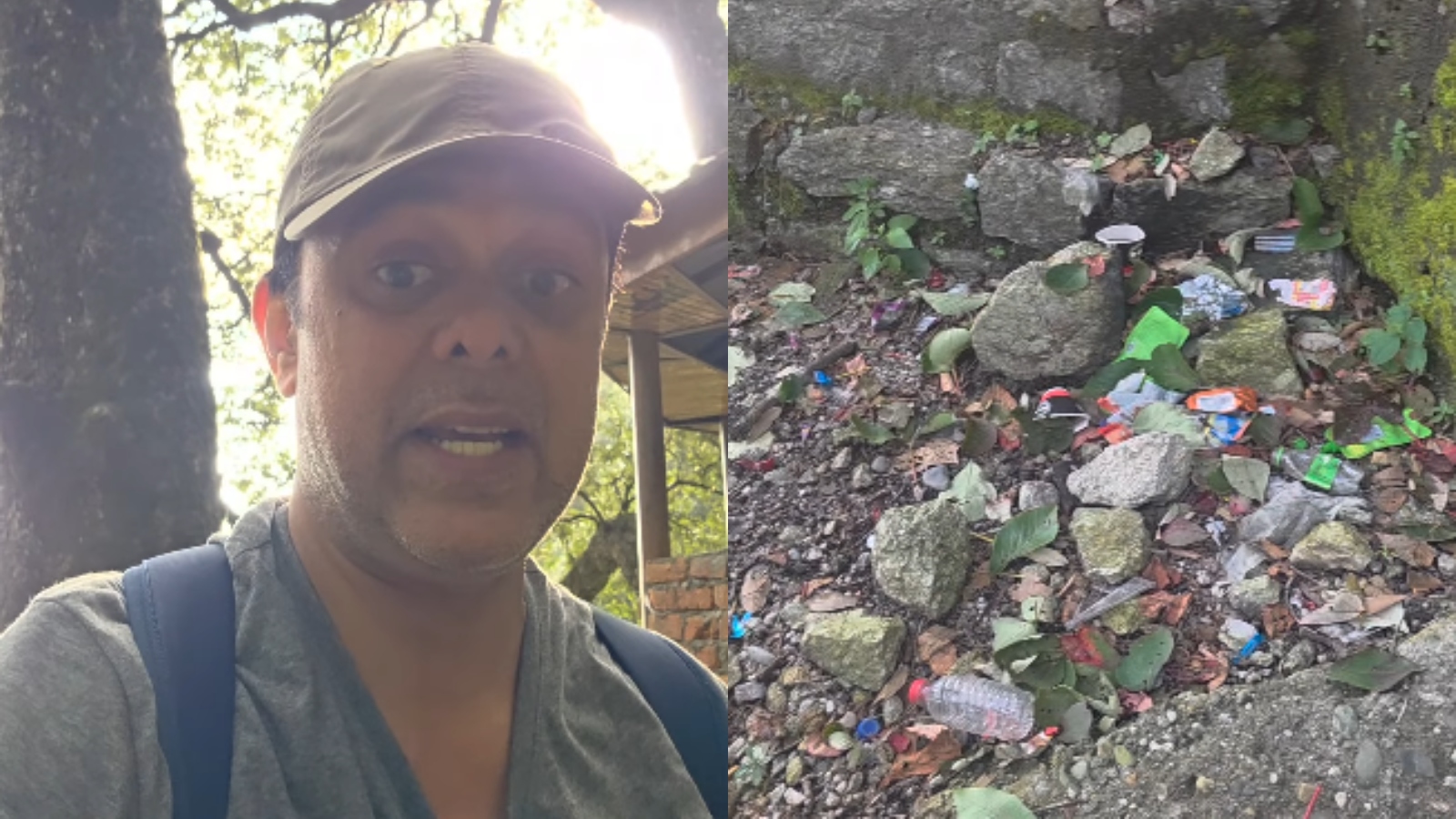
Sumeet Raghvan, known for 'Sarabhai vs Sarabhai', highlighted the widespread garbage, including plastic and food wrappers, left by visitors at the scenic Tattapani hot springs. He expressed deep disappointment over the lack of civic sense among Indians and called for immediate, stringent action from the Himachal Pradesh government to curb the environmental damage.
Imagine your favorite park or a beautiful forest where you love to play. Now imagine people visiting it and leaving all their snack wrappers, empty bottles, and trash everywhere, making it messy and dirty. A famous actor named Sumeet Raghvan saw this happening at some special hot springs in a place called Himachal and felt very sad and upset. He made a video asking everyone to stop littering and for the government to make sure people keep these beautiful places clean, just like you'd want to keep your own room tidy.
Analysis
Sumeet Raghvan
Actor Sumeet Raghvan utilized his social media platform to draw attention to a critical environmental issue plaguing popular tourist spots in India. His Instagram video, which quickly gained traction, served as a direct and unfiltered exposé of the extensive littering at Himachal Pradesh's Tattapani hot springs. Raghvan's decision to publicly shame those responsible, even going so far as to suggest a "fault in the Indian DNA" regarding civic sense, reflects a growing frustration among citizens and environmental advocates.
His celebrity status amplifies the message, potentially reaching a wider audience than traditional environmental campaigns. By personally documenting the discarded plastic bags, food wrappers, and empty bottles, Raghvan provided undeniable visual evidence of the damage. This direct approach aims to provoke a stronger reaction and encourage introspection among tourists and authorities alike, highlighting the stark contrast between the natural beauty of the location and the human-induced degradation.
Tattapani Hot Springs
The Tattapani hot springs, a natural attraction in Himachal Pradesh, are depicted in the article as a prime example of how beautiful ecological spaces are being marred by irresponsible tourism. Raghvan's video showcased the lush greenery, tall trees, and clear skies, juxtaposed with the ground covered in various forms of waste. This visual dichotomy underscores the severe impact of human activity on pristine natural environments.
The incident at Tattapani is not isolated; it mirrors a broader problem across many Indian tourist destinations where increasing visitor numbers are not matched by adequate waste management infrastructure or a strong sense of environmental responsibility among tourists. The hot springs, intended for relaxation and appreciation of nature, are instead becoming symbols of environmental neglect, threatening their long-term ecological health and appeal.
Himachal Government
In response to the pervasive littering, Sumeet Raghvan explicitly appealed to the Himachal Pradesh government to take "strict action." This call to action suggests a belief that public appeals alone may not be sufficient to alter deeply ingrained behaviors, necessitating governmental intervention. The actor's plea implies a need for more robust enforcement of anti-littering laws, potentially including fines or other deterrents, to protect the state's natural assets.
The government's response to such public outcry is crucial, as it can set a precedent for environmental governance in tourist-heavy regions. Implementing effective waste disposal systems, increasing public awareness campaigns, and enforcing penalties are potential avenues for the Himachal government to address this challenge. The incident at Tattapani serves as a stark reminder of the urgent need for collaborative efforts between citizens, celebrities, and governmental bodies to preserve India's natural heritage.
Key points
- Actor Sumeet Raghvan posted a video criticizing tourists for littering Himachal Pradesh's Tattapani hot springs.
- The video showed plastic bags, food wrappers, and empty bottles scattered across the natural trail.
- Raghvan expressed disappointment over the lack of civic sense and called for strict action from the Himachal Pradesh government.
- The video gained significant social media traction, with many users sharing similar experiences and frustration.
- Some commenters suggested that shaming alone is ineffective and advocated for stricter enforcement, similar to measures taken in other countries.
The public outcry from a prominent figure like Sumeet Raghvan could significantly raise awareness about littering in tourist spots, potentially prompting both tourists to be more responsible and the Himachal Pradesh government to implement stricter enforcement and better waste management solutions.
Despite celebrity appeals and public frustration, changing deeply ingrained habits of littering among a large population remains a significant challenge, and without sustained governmental action and public education, the problem at Tattapani and similar sites may persist.