Andy Burnham refuses to rule out tax rises in autumn Budget
Andy Burnham has refused to rule out tax rises in the upcoming autumn Budget, saying he 'won't be unrealistic' about the 'challenging' state of public finances.
Intelligence analysis by Llama
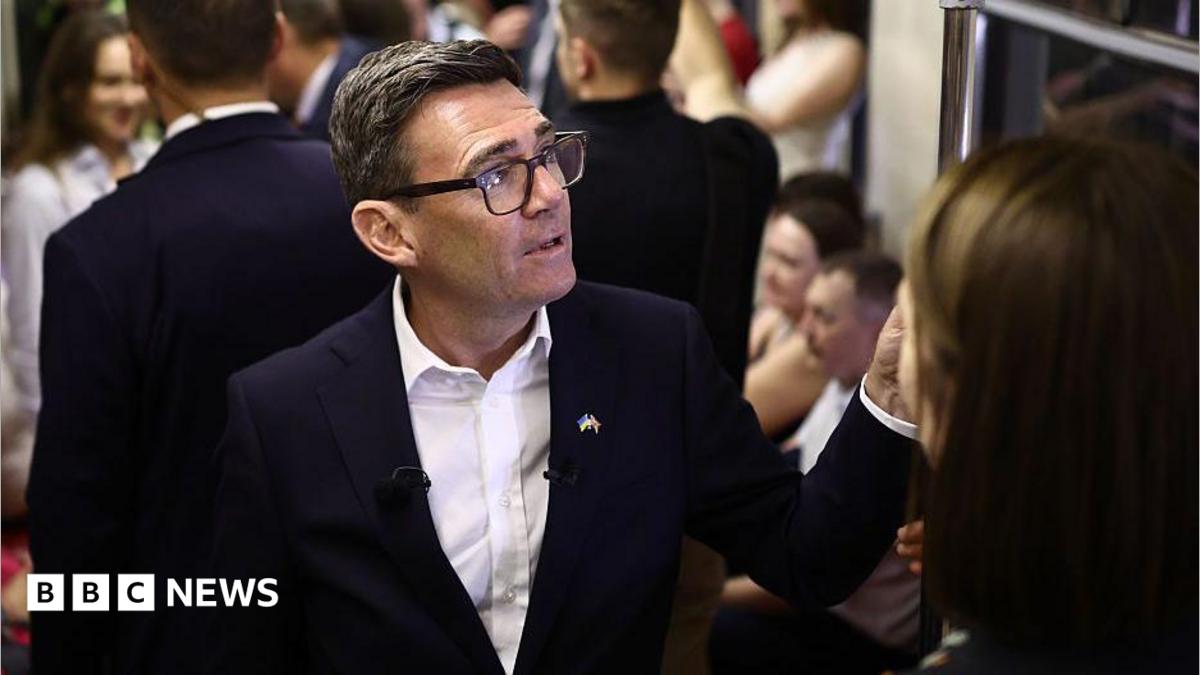
Andy Burnham has refused to rule out tax rises in the autumn Budget, citing the challenging state of public finances. He emphasized the need for a careful approach to the economy and defended his cost of living pledges as funded spending commitments.
Imagine you're in charge of a big household budget, and you need to make some tough decisions about how to spend your money. That's kind of what's happening with the UK government right now. They're trying to figure out how to fund their policies, including helping people with the cost of living. But they're also worried about the country's public finances, which are in a bit of a mess. So, they might need to make some tough decisions about taxes, which could affect everyone.
Analysis
Autumn Budget Challenges
The article highlights the challenges facing the UK government in the upcoming autumn Budget. With the country's public finances in a challenging state, Andy Burnham has refused to rule out tax rises. This decision is not surprising, given the government's previous warnings about the need to reduce borrowing and increase tax revenue. The article notes that experts have warned that the government will have little financial room to manoeuvre in its first Budget on 28 October. This suggests that the government will need to make tough decisions about how to fund its policies, including the cost of living pledges announced by Burnham.
Cost of Living Pledges
The article also highlights the government's cost of living pledges, which have been announced as funded spending commitments. However, questions remain over how these policies will be funded, particularly in light of the challenging state of public finances. Burnham has emphasized the need for a careful approach to the economy and has defended his previously announced cost of living pledges as funded spending commitments. This suggests that the government is committed to supporting its citizens, but is also aware of the need to be responsible with public finances.
Implications for the UK Economy
The article has significant implications for the UK economy. The potential for tax rises could have a negative impact on economic growth, particularly if they are implemented too quickly or without sufficient warning. However, the article also notes that the government is committed to supporting its citizens, particularly through the cost of living pledges. This suggests that the government is aware of the need to balance its fiscal responsibilities with the need to support its citizens. Overall, the article highlights the challenges facing the UK government in the upcoming autumn Budget and the need for a careful approach to the economy.
Key points
- Andy Burnham has refused to rule out tax rises in the upcoming autumn Budget.
- The government is facing challenges in funding its policies, including the cost of living pledges.
- Experts have warned that the government will have little financial room to manoeuvre in its first Budget on 28 October.
- The government is committed to supporting its citizens, particularly through the cost of living pledges.
- The potential for tax rises could have a negative impact on economic growth.
If the government can find a way to balance its fiscal responsibilities with the need to support its citizens, it could lead to a more stable and prosperous economy. This could also lead to increased investment and job creation, which would benefit the country as a whole.
If the government is unable to find a way to fund its policies, particularly the cost of living pledges, it could lead to a decrease in economic growth and a negative impact on the country's public finances. This could also lead to increased borrowing and a higher national debt, which would be a concern for the government and its citizens.