Andy Burnham to tour Britain in effort to reconnect government with public
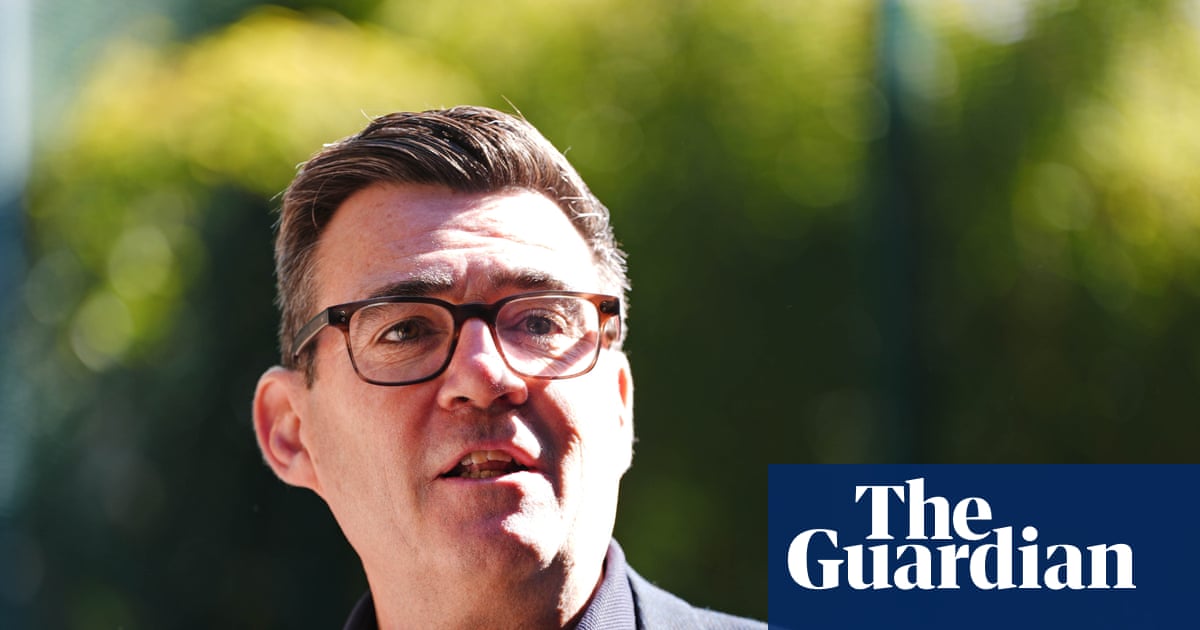
Prime Minister Andy Burnham is embarking on a national tour to reconnect the government with the British public, planning to announce policies addressing the cost of living crisis and high street improvements.
Intelligence analysis by Gemini 2.5 Flash
The article frames Prime Minister Andy Burnham's upcoming tour as a strategic move to rebuild public trust and address pressing economic concerns like the cost of living and declining high streets. While Burnham promises pro-consumer measures, opposition figures criticize his plans as insufficient or hypocritical, highlighting the ongoing political debate over economic policy.
Imagine your pocket money isn't buying as much candy as it used to, and your favorite toy store on the high street is struggling. That's a bit like what's happening in Britain with the 'cost of living' going up. The new boss, Andy Burnham, is going on a trip around the country to listen to people and promise to make things fairer, like stopping shops from charging too much or helping local stores. But other grown-ups think his ideas aren't big enough to fix the problem.
Analysis
Prime Minister Andy Burnham's upcoming national tour signifies a concerted effort by the Labour government to address public disillusionment and pressing economic challenges. Having recently succeeded Keir Starmer, Burnham aims to establish a stronger connection with the electorate, particularly in areas that have seen a decline in Labour support over the past decade and those affected by industrial closures. This initiative is framed as a '10-year plan to bring back hope,' suggesting a long-term vision for economic and social recovery.
The tour is expected to be a platform for announcing new policies designed to alleviate financial pressures on households struggling with the cost of living. A key focus will be on 'pro-consumer' measures, which Burnham's spokesperson suggests will tackle issues like 'hidden pricing and consumers being ripped off.' These policies are intended to provide 'breathing space' for the public, indicating a shift towards more direct intervention in market practices to protect consumers. The emphasis on improving high streets also points to a broader strategy to revitalize local economies and community hubs.
Andy Burnham
Andy Burnham's premiership, though nascent, is immediately confronted with significant economic headwinds, notably inflation exacerbated by the fallout of the Iran war. His decision to embark on a national tour, rather than solely govern from Westminster, reflects an understanding of the need for direct engagement with the public. This 'listening mode' approach is designed to counter perceptions of a detached government, aiming to build trust by acknowledging and responding to everyday struggles.
The tour's itinerary is strategically planned to include regions like Port Talbot, a former industrial heartland, symbolizing a commitment to address long-standing economic grievances. By focusing on areas hit by declining industry, Burnham seeks to demonstrate that his government is attuned to the challenges faced by communities beyond the capital. This outreach is critical for a Labour government looking to consolidate its support base and demonstrate tangible action on economic inequality.
Port Talbot
The inclusion of Port Talbot, home to the UK's largest steelworks, on Burnham's likely itinerary is highly symbolic. The closure of its final blast furnace in 2024 represents a significant blow to industrial employment and local economies. A visit here would allow Burnham to directly address the concerns of workers and communities impacted by deindustrialization, offering a platform to outline government support and future economic strategies for such regions.
This focus on industrial towns underscores a broader policy objective to revitalize regional economies and create new opportunities in areas that have historically felt neglected. By engaging with communities like Port Talbot, Burnham aims to demonstrate a commitment to 'levelling up' the country, ensuring that economic recovery and growth are distributed more equitably across Britain. The government's approach to these areas will be a key test of its economic policy effectiveness.
Cost of Living
The cost of living crisis remains a paramount concern for the British public, with Ipsos polling indicating it as a leading issue for a significant portion of the population. The article highlights that inflation, partly due to the Iran war, is higher than anticipated, intensifying the pressure on household budgets. Burnham's proposed 'pro-consumer' measures are a direct response to these anxieties, aiming to mitigate the impact of rising prices and perceived unfair practices.
However, these plans face immediate criticism from opposition parties. The shadow chancellor, Mel Stride, dismisses them as 'tinkering' and accuses Labour of harming high streets with 'red tape' policies. Reform UK's Robert Jenrick calls for scrapping green levies and taxes on energy bills, while the Liberal Democrats' Daisy Cooper echoes concerns about bureaucracy. This political sparring indicates that while the cost of living is a shared concern, the proposed solutions are highly contentious, setting the stage for intense debate over the government's economic strategy.
Key points
- Prime Minister Andy Burnham is undertaking a national tour to reconnect with the British public.
- He plans to announce policies addressing the cost of living crisis and improving high streets.
- The tour will visit areas where Labour has lost support and those affected by declining industry, such as Port Talbot.
- Inflation, partly due to the Iran war, remains a significant public concern, with 30% listing the economy as a leading issue.
- Opposition figures, including Shadow Chancellor Mel Stride, criticize Burnham's plans as insufficient and accuse Labour of harming businesses.
If Andy Burnham's tour successfully reconnects the government with the public and his pro-consumer policies effectively tackle hidden pricing and inflation, it could lead to increased public confidence and improved financial stability for households. Revitalizing high streets could also boost local economies and create a more vibrant retail sector across the country.
The opposition's criticisms suggest that Burnham's policies might be perceived as mere 'tinkering' and could fail to address the root causes of the cost of living crisis, potentially leading to continued public dissatisfaction. If 'red tape' policies indeed harm businesses, as claimed, high streets could further decline, exacerbating economic challenges.